

Hey there! As a supplier of glass medical vials, I've been getting a lot of questions lately about whether glass medical vials are suitable for storing high - value medications. So, I thought I'd sit down and write this blog to share my thoughts and some scientific facts on the matter.

First off, let's talk about what makes a high - value medication. These are usually drugs that are expensive to produce, have a complex chemical structure, or are crucial for patient treatment. Think of things like certain cancer drugs, biologics, or rare disease medications. The storage of these medications is super important because any degradation or contamination can not only waste a lot of money but also put patients at risk.
Now, let's dive into why glass might be a great option for storing these precious medications.
Advantages of Glass Medical Vials
Chemical Inertness
One of the biggest perks of using glass for medical vials is its chemical inertness. Glass is made up of a stable network of silicon and oxygen atoms, which means it doesn't react easily with most chemicals. High - value medications often have complex chemical compositions, and they need a container that won't mess with their stability. For example, some medications might be sensitive to metal ions. If you store them in a metal container, there's a risk of the metal leaching into the medication and changing its properties. But glass is pretty much immune to this kind of problem. It provides a stable environment that helps keep the medication's chemical integrity intact.
Barrier Properties
Glass is an excellent barrier against gases, moisture, and light. High - value medications can be affected by exposure to oxygen, humidity, and UV light. Oxygen can cause oxidation reactions in some drugs, which can lead to a loss of potency. Moisture can make the medication clump or even start to break down. And UV light can cause photochemical reactions that change the drug's structure. Glass vials can effectively block out these elements. They have a tight seal that keeps oxygen and moisture out, and some types of glass can even filter out UV light. This is especially important for medications that need to be stored for long periods.
Visibility
Another great thing about glass vials is that you can easily see what's inside. When you're dealing with high - value medications, it's crucial to be able to visually inspect them for any signs of degradation, like discoloration or the presence of particles. With glass vials, you can quickly check the appearance of the medication without having to open the container. This can save a lot of time and money, as you can catch any problems early on and take appropriate action.
Compatibility with Sterilization Methods
High - value medications need to be stored in a sterile environment. Glass vials are compatible with a variety of sterilization methods, such as autoclaving, dry heat sterilization, and gamma irradiation. These methods can effectively kill any microorganisms that might be present on the vial's surface, ensuring that the medication remains sterile. This is essential for preventing infections and maintaining the quality of the medication.
Types of Glass Medical Vials
There are different types of glass used for medical vials, and each has its own characteristics.
Borosilicate Glass
Borosilicate glass is a popular choice for storing high - value medications. It has a low coefficient of thermal expansion, which means it can withstand rapid temperature changes without cracking. This is important because some medications might need to be stored at low temperatures or go through freeze - thaw cycles during transportation or storage. Borosilicate glass also has excellent chemical resistance, making it suitable for a wide range of medications. You can find borosilicate glass vials in various sizes and shapes, depending on your specific needs. Check out our Glass Vial page for more options.
Flint Glass
Flint glass is another type of glass used in medical vials. It's clear and has good optical properties, which is great for visibility. However, it's not as resistant to chemicals as borosilicate glass. Flint glass is often used for medications that are not as chemically reactive. It's also a more cost - effective option compared to borosilicate glass. If you're looking for pharmacy vials and caps, you can visit our Pharmacy Vials and Caps page.
Amber Glass
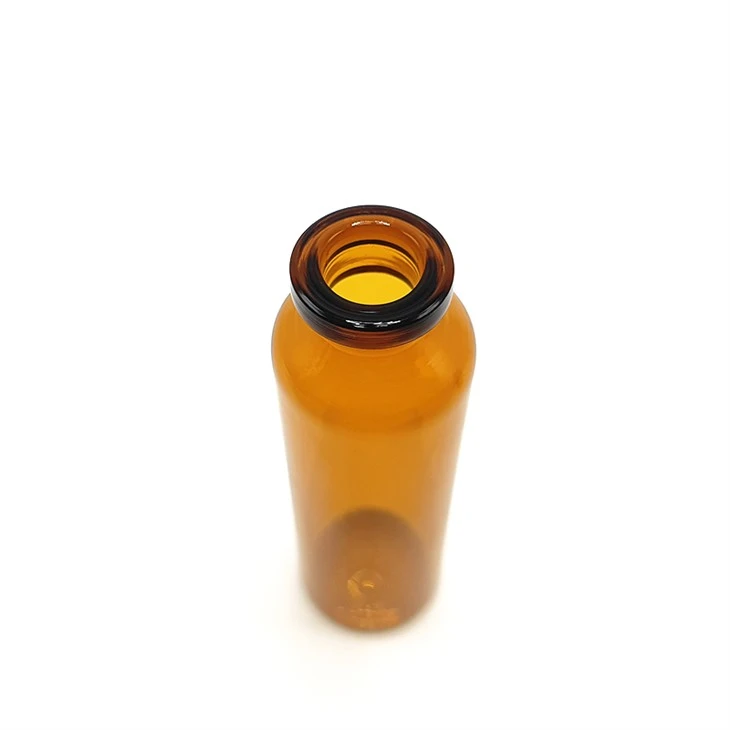
Amber glass is specially designed to block out UV light. As I mentioned earlier, UV light can cause problems for some medications. Amber glass vials are a great choice for medications that are sensitive to light. They provide an extra layer of protection, ensuring that the medication's stability is maintained. If you're dealing with freeze - dried powder medications, our Freeze - dried Powder Bottle page has some great options in amber glass.
Challenges and Considerations
Of course, using glass medical vials isn't without its challenges.
Fragility
Glass is fragile, and it can break easily if it's not handled properly. When you're dealing with high - value medications, a broken vial can mean a significant loss. You need to have proper packaging and handling procedures in place to minimize the risk of breakage. For example, you can use shock - absorbing materials in the packaging to protect the vials during transportation. And when you're storing them, make sure they're placed in a stable environment where they won't get knocked over.
Cost
Glass vials can be more expensive than other types of containers, such as plastic vials. The manufacturing process for glass is more complex, and the raw materials can also be costly. However, when you consider the long - term benefits of using glass for high - value medications, the cost might be worth it. The stability and protection that glass provides can help prevent losses due to medication degradation, which can ultimately save you money in the long run.
Recycling
While glass is a recyclable material, the recycling process for medical vials can be a bit more complicated. Medical vials might be contaminated with medications, and they need to be properly cleaned and sterilized before they can be recycled. This adds an extra step to the recycling process and can increase the cost. However, many companies are working on improving the recycling of medical glass vials to make it more efficient and environmentally friendly.
Conclusion
So, are glass medical vials suitable for storing high - value medications? In my opinion, the answer is a resounding yes. The advantages of glass, such as its chemical inertness, barrier properties, visibility, and compatibility with sterilization methods, make it an ideal choice for protecting the integrity of high - value medications. While there are some challenges, like fragility and cost, these can be managed with proper handling and planning.
If you're in the market for high - quality glass medical vials for your high - value medications, I'd love to have a chat with you. We have a wide range of glass vials to meet your specific needs. Whether you need borosilicate glass vials, amber glass vials, or something else, we've got you covered. Reach out to us to start a discussion about your requirements, and let's work together to find the best solution for storing your precious medications.
References
- "Handbook of Pharmaceutical Glass Packaging" by various authors
- "Pharmaceutical Packaging Science and Technology" by John W. McGinity and Gennaro A. Morello