

Sealing a 10ml glass bottle properly is crucial, whether you're in the pharmaceutical, cosmetic, or essential oil industries. As a 10ml glass bottle supplier, I've witnessed firsthand the importance of a secure seal in maintaining product integrity and quality. In this blog post, I'll share some effective methods and considerations for sealing 10ml glass bottles to ensure your products stay fresh and protected.
Understanding the Importance of Proper Sealing
Before delving into the sealing methods, it's essential to understand why proper sealing is so important. A well - sealed 10ml glass bottle keeps out contaminants such as dust, moisture, and air. For pharmaceutical products, this can prevent degradation of the medicine, ensuring its efficacy and safety. In the cosmetic industry, a tight seal preserves the texture, scent, and color of the product. Essential oils, being highly volatile, require a proper seal to prevent evaporation and maintain their therapeutic properties.
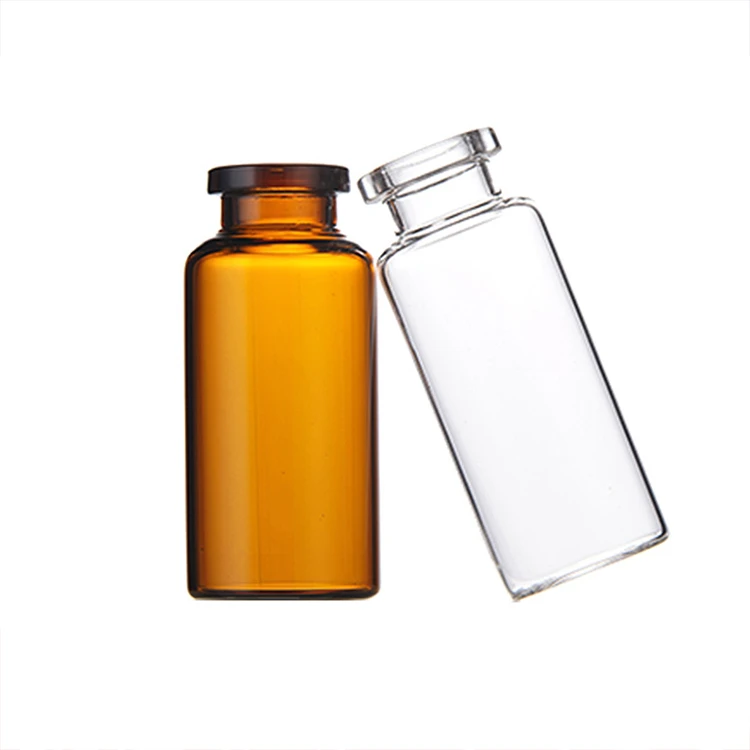

Types of Seals for 10ml Glass Bottles
There are several types of seals available for 10ml glass bottles, each with its own advantages and suitability for different products.
Screw Caps
Screw caps are one of the most common types of seals for 10ml glass bottles. They are easy to use and provide a relatively tight seal. Screw caps can be made of various materials, including plastic and metal. Plastic screw caps are lightweight and cost - effective, while metal screw caps offer a more premium look and may provide better protection against air and moisture. When using screw caps, it's important to ensure that the threads on the bottle and the cap are properly aligned. Over - tightening can cause damage to the glass bottle or the cap, while under - tightening may result in a leaky seal.
Dropper Caps
Dropper caps are popular for products such as essential oils and some liquid medications. They allow for precise dispensing of the product while also providing a seal. A typical dropper cap consists of a rubber bulb, a glass or plastic dropper tube, and a cap that fits onto the bottle. The dropper tube is inserted into the bottle, and the rubber bulb is squeezed to draw the liquid up and then release it in controlled drops. To ensure a proper seal, the dropper cap should fit snugly onto the bottle. Some dropper caps come with a tamper - evident seal to enhance product safety.
Crimp Caps
Crimp caps are often used in the pharmaceutical and laboratory industries. They provide a very secure and tamper - evident seal. A crimp cap is typically made of metal and is applied using a crimping tool. The cap is placed over the bottle opening, and the crimping tool is used to deform the cap around the neck of the bottle, creating a tight seal. Crimp caps are difficult to remove without leaving visible signs of tampering, which makes them ideal for products that require high - level security. However, they are also more difficult to apply compared to screw caps and dropper caps.
Steps for Properly Sealing a 10ml Glass Bottle
Step 1: Prepare the Bottle and the Seal
Before sealing the bottle, make sure the bottle is clean and dry. Any residue or moisture inside the bottle can affect the quality of the seal and the product. Inspect the bottle for any cracks or chips, as these can compromise the seal. Similarly, check the seal for any defects. If you're using a screw cap, ensure that the threads are clean and undamaged.
Step 2: Fill the Bottle
Fill the 10ml glass bottle with your product carefully. Leave some headspace at the top of the bottle to allow for expansion, especially if the product may be exposed to temperature changes. Overfilling the bottle can make it difficult to achieve a proper seal and may cause the product to spill during the sealing process.
Step 3: Apply the Seal
- Screw Caps: Place the screw cap on the bottle and align the threads. Turn the cap clockwise until it is snug. Do not over - tighten. You can use a torque wrench to ensure consistent tightening if necessary.
- Dropper Caps: Insert the dropper tube into the bottle and place the cap over the tube. Press down firmly until the cap fits securely onto the bottle.
- Crimp Caps: Place the crimp cap over the bottle opening. Use a crimping tool to apply pressure evenly around the cap, deforming it to create a tight seal.
Step 4: Test the Seal
After applying the seal, it's important to test it to ensure its integrity. You can do this by gently squeezing the bottle (if the product allows) or by inverting the bottle for a short period to check for any leaks. If you find a leak, remove the seal, inspect the bottle and the seal for any issues, and then re - apply the seal.
Considerations for Different Products
The type of product you are sealing in the 10ml glass bottle can also influence the sealing method and requirements.
Pharmaceutical Products
Pharmaceutical products require the highest level of protection and safety. For liquid medications, crimp caps or dropper caps with tamper - evident features are often preferred. These seals help to prevent contamination and ensure that the product remains sterile. It's also important to follow strict regulatory requirements when sealing pharmaceutical products. For example, some medications may need to be sealed in a controlled environment to prevent exposure to air and moisture.
Cosmetic Products
Cosmetic products, such as serums and perfumes, need to maintain their quality and appearance. Screw caps or dropper caps are commonly used for these products. The seal should prevent air and moisture from entering the bottle to prevent oxidation and spoilage. Additionally, the appearance of the seal can be an important factor in the overall aesthetic of the product. You may want to choose a seal that complements the design of the bottle and the brand image.
Essential Oils
Essential oils are highly volatile and can evaporate quickly if not properly sealed. Dropper caps are a popular choice for essential oils as they allow for easy dispensing while also providing a relatively tight seal. However, it's important to store essential oil bottles in a cool, dark place even with a proper seal to minimize evaporation.
Conclusion
Properly sealing a 10ml glass bottle is a multi - step process that requires attention to detail. By choosing the right type of seal, following the correct sealing steps, and considering the specific requirements of your product, you can ensure that your products are well - protected and maintain their quality.
If you're in the market for high - quality 10ml glass bottles or need advice on the best sealing solutions for your products, we're here to help. We also offer 2ml Glass Bottle, Medicine Bottle, and Pharmacy Medicine Bottles. Contact us to discuss your specific needs and start a procurement conversation.
References
- Packaging Machinery Manufacturers Institute. (2023). Best Practices for Sealing Glass Containers.
- Pharmaceutical Packaging Forum. (2022). Guidelines for Sealing Pharmaceutical Glass Bottles.
- Cosmetic Packaging Association. (2022). Sealing Solutions for Cosmetic Glass Bottles.