

Storing medical vials in a laboratory is a critical task that can significantly impact the integrity and effectiveness of the medications or samples they contain. As a Medical Vial supplier, I've seen firsthand the importance of proper storage, and I'm here to share some insights on how to do it right.
Understanding the Basics of Medical Vial Storage
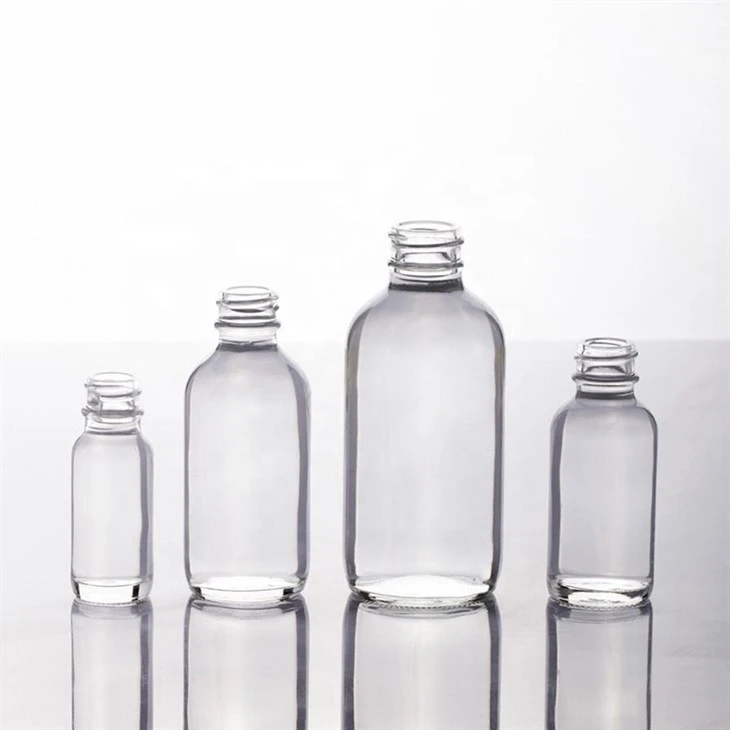
First things first, you need to understand what medical vials are. These are small containers used to store medications, vaccines, and various biological samples. They come in different materials, like glass and plastic, and different shapes and sizes. For instance, Glass Medical Vials are popular because they're inert, meaning they don't react with the contents inside.
The main goal of storing medical vials is to protect their contents from factors that could degrade them, such as light, heat, humidity, and contamination. If a vial isn't stored properly, the medication or sample inside could lose its potency, become contaminated, or even change its chemical composition.
Temperature and Humidity Control
Temperature is one of the most crucial factors in medical vial storage. Different medications and samples have specific temperature requirements. Some need to be stored at room temperature, which is usually around 20 - 25°C (68 - 77°F). Others, like certain vaccines, need to be kept in a freezer at temperatures as low as -20°C (-4°F) or even colder.
You should use reliable temperature - controlled storage units, such as refrigerators and freezers designed for medical use. These units often come with built - in temperature monitoring systems that can alert you if the temperature goes out of the acceptable range.
Humidity is also important. High humidity can cause the labels on vials to peel off or the vials themselves to corrode, especially if they're made of metal or have metal caps. Aim for a relative humidity of around 30 - 60% in your storage area. You can use dehumidifiers or humidifiers to maintain the right humidity level.
Light Protection
Light can have a detrimental effect on many medications and samples. Ultraviolet (UV) light, in particular, can break down the chemical compounds in the vials. That's why many medical vials are made of amber or brown glass, which provides some protection against UV light.
If you're using Clear Medicine Bottle or Clear Glass Bottle, you need to store them in a dark place or use light - blocking storage containers. You can also cover the vials with opaque materials like aluminum foil if necessary.
Contamination Prevention
Contamination is a major concern when storing medical vials. To prevent it, you should always store vials in a clean and sterile environment. Use storage cabinets or shelves that are regularly cleaned and disinfected.
When handling vials, wear gloves and use sterile equipment. Make sure the storage area is well - ventilated to prevent the buildup of airborne contaminants. Also, keep vials sealed properly. If a vial has a damaged seal, it should be discarded or replaced as soon as possible.
Organization and Labeling
Proper organization of your medical vials is essential. You should have a system in place to keep track of what's stored where. This can be as simple as using a spreadsheet or a more advanced inventory management software.
Labeling is also key. Each vial should be clearly labeled with the name of the medication or sample, the expiration date, the lot number, and any special handling instructions. This will help you quickly identify the vials and ensure that you use the oldest ones first, following the "first - in, first - out" (FIFO) principle.
Storage in Different Settings
In a research laboratory, you may have a wide variety of vials with different storage requirements. You'll need to set up separate storage areas for different temperature ranges and types of samples. For example, you might have a refrigerator for samples that need to be kept at 2 - 8°C (36 - 46°F), a freezer for frozen samples, and a room - temperature storage cabinet for others.
In a hospital pharmacy, the focus is more on storing medications for patient use. You'll need to ensure that the vials are stored in a way that allows for easy access and quick retrieval. You may also need to comply with additional regulations and guidelines regarding medication storage.
Safety Considerations
Safety should always be a top priority when storing medical vials. Make sure your storage units are installed and maintained correctly to prevent any accidents, such as fires or leaks. If you're storing vials with hazardous substances, you need to follow all the relevant safety regulations, including proper labeling, storage in approved containers, and having appropriate emergency response plans in place.
Our Role as a Medical Vial Supplier
As a Medical Vial supplier, we understand the importance of providing high - quality vials that are suitable for proper storage. Our vials are made from top - notch materials that can withstand different storage conditions. Whether you need glass vials for their inertness or plastic vials for their lightweight and durability, we've got you covered.
We also offer a variety of sizes and shapes to meet your specific needs. And if you have any questions about storage or which vial is best for your application, our team of experts is always ready to help.

If you're in the market for medical vials, we'd love to have a chat with you. We can discuss your requirements in detail and provide you with the best solutions for your laboratory or pharmacy. Contact us to start a discussion about your medical vial procurement needs, and let's work together to ensure the safe and effective storage of your valuable medications and samples.
References
- "Good Storage and Distribution Practices for Pharmaceuticals" - World Health Organization
- "Laboratory Storage Guidelines" - American Society for Microbiology
- "Medical Vial Design and Function" - Journal of Pharmaceutical Sciences