

Hey there! As a medicine bottle supplier, I know how crucial it is to ensure the sterility of these bottles. After all, they're going to hold all sorts of medications that people rely on to get better. So, let's dive into how we can make sure those medicine bottles are as sterile as can be.
First off, it all starts with the raw materials. We use high - quality glass for our 10ml Medicine Bottle and Glass Injection Vials. Glass is a great choice because it's non - reactive and can withstand the sterilization processes without breaking down or leaching any harmful substances into the medicine. Before we even start shaping the bottles, we make sure the glass is clean. The raw glass materials are inspected for any impurities like dust, dirt, or small stones. We use special cleaning agents that are designed to be non - toxic and won't leave any residues on the glass.

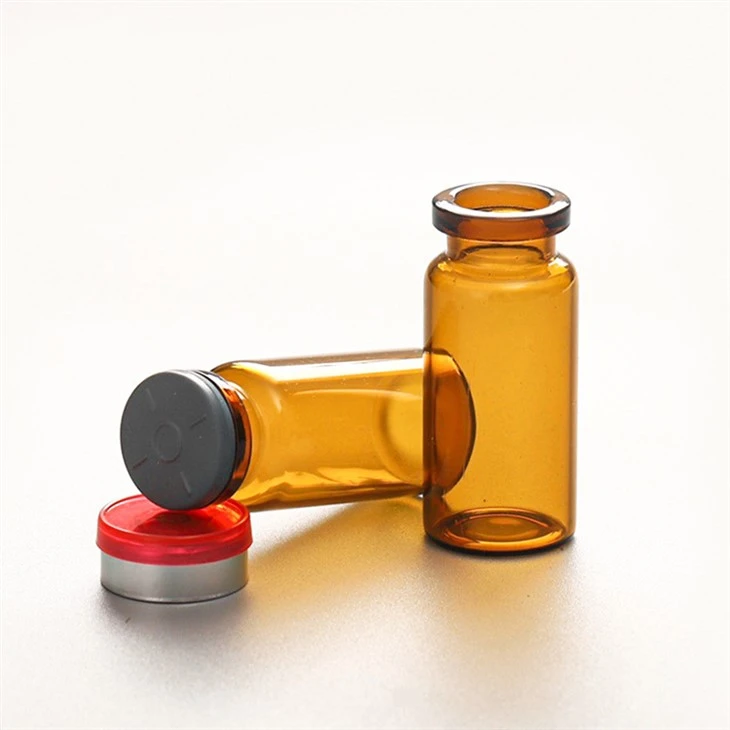
Once the glass is clean, it's time to start manufacturing the bottles. During the manufacturing process, we have to be super careful to avoid any contamination. Our production environment is a controlled one. The factories are equipped with air filtration systems that remove dust and other airborne particles. The workers wear special cleanroom suits, masks, and gloves to prevent their skin, hair, and clothing from coming into contact with the bottles. And we have strict rules about hygiene in the workplace. Workers have to wash their hands thoroughly and follow a specific cleaning protocol before they start handling the glass.
After the bottles are formed, they go through a series of pre - sterilization cleaning steps. We use a combination of mechanical and chemical cleaning methods. For mechanical cleaning, we use brushes and high - pressure water jets to remove any loose particles or debris from the inside and outside of the bottles. This helps to get rid of any glass shavings or other contaminants that might have been created during the manufacturing process.
Then, it's time for chemical cleaning. We use a mild detergent solution that's safe for use with glass and won't leave any residues. The bottles are soaked in this solution for a certain period of time to break down any organic matter that might be present. After soaking, they're rinsed thoroughly with deionized water. Deionized water is important because it doesn't contain any minerals or other impurities that could potentially contaminate the bottles.
Now, let's talk about the actual sterilization process. There are several methods we can use, and the choice depends on the type of medicine the bottle is going to hold and the specific requirements of our customers. One of the most common methods is heat sterilization. We can use either dry heat or moist heat.
Dry heat sterilization involves heating the bottles in an oven at a high temperature for a specific period of time. Usually, the temperature is around 180 - 200 degrees Celsius, and the bottles are heated for at least an hour. This high - temperature treatment kills all the microorganisms, including bacteria, viruses, and fungi. Dry heat is great because it doesn't require any additional chemicals, and it's effective for glass bottles.
Moist heat sterilization, on the other hand, uses steam. The bottles are placed in an autoclave, which is a special chamber that can generate high - pressure steam. The steam penetrates the bottles and kills the microorganisms. The temperature and pressure inside the autoclave are carefully controlled. Typically, the temperature is around 121 degrees Celsius, and the pressure is around 15 pounds per square inch. The bottles are kept in the autoclave for about 15 - 20 minutes. Moist heat sterilization is often faster and more effective than dry heat for some types of microorganisms.
Another method we sometimes use is radiation sterilization. Gamma radiation is commonly used for this purpose. The bottles are exposed to a controlled amount of gamma rays, which can penetrate the glass and kill the microorganisms. Radiation sterilization is great because it can be done at room temperature, so there's no risk of the glass being damaged by heat. And it's very effective at killing a wide range of microorganisms.
After the sterilization process, we have to make sure the bottles stay sterile. We package them in special sterile packaging materials. These materials are designed to prevent any new contaminants from getting into the bottles. The packaging is sealed tightly, and we use labels to indicate that the bottles are sterile. And we store the packaged bottles in a clean, dry, and temperature - controlled environment until they're ready to be shipped to our customers.
We also have a strict quality control system in place. We take random samples of the sterilized bottles and test them for the presence of microorganisms. We use advanced microbiological testing methods to detect even the smallest number of bacteria or other pathogens. If any of the samples test positive for contamination, we have to go back and figure out what went wrong. We might have to adjust our manufacturing process, our cleaning methods, or our sterilization procedures.
And we're constantly looking for ways to improve our sterility processes. We keep up with the latest research in the field of sterilization and contamination control. We invest in new technologies and equipment to make our sterilization methods more effective and efficient.
If you're in the market for high - quality, sterile Small Medicine Bottle, 10ml Medicine Bottle, or Glass Injection Vials, we'd love to talk to you. Whether you're a pharmaceutical company, a research institution, or any other business that needs sterile medicine bottles, we can provide you with the products you need. Just reach out to us, and we can start a conversation about your specific requirements and how we can meet them.
In conclusion, ensuring the sterility of medicine bottles is a complex but essential process. From the choice of raw materials to the final packaging, every step has to be carefully controlled to prevent contamination. By following strict manufacturing, cleaning, and sterilization protocols, and by investing in quality control and continuous improvement, we can provide our customers with medicine bottles that are safe and reliable.
References:
- "Sterilization Technologies for Medical Devices" - A comprehensive guide on different sterilization methods and their applications in the medical field.
- "Glass Packaging for Pharmaceuticals: Quality and Safety" - A publication that discusses the importance of glass as a packaging material for medicines and the requirements for ensuring its sterility.
- Industry research reports on contamination control in the pharmaceutical packaging industry.