

Picking the right vial can be a real head - scratcher, especially when you've got a ton of options out there. As a supplier of A Vials, I've seen firsthand how important it is to get this choice right. Whether you're in the pharmaceutical industry, running a perfume business, or just need vials for some lab work, this blog post is gonna help you figure out which vial is the best fit for your needs.
1. Consider the Material
The first thing you gotta think about is the material of the vial. The most common materials are glass and plastic, and each has its own set of pros and cons.
Glass Vials
Glass is a classic choice, and for good reason. It's super inert, which means it won't react with most substances. This is a huge plus if you're storing chemicals, medicines, or essential oils. Glass vials also offer great clarity, so you can easily see what's inside. And they're pretty resistant to high temperatures, making them suitable for processes that involve heating.
But glass isn't perfect. It's fragile, so there's a risk of breakage during shipping or handling. And it can be more expensive than plastic. If you're interested in glass vials, we've got some great options like the Small Medicine Bottle and Flip Cap Amber Bottles. The amber glass in the flip - cap bottles is especially useful for protecting light - sensitive substances.
Plastic Vials
Plastic vials are lightweight and durable. They're less likely to break compared to glass, which makes them a great choice for shipping. They're also usually cheaper, so if you're on a tight budget, plastic might be the way to go.
However, plastic can be porous, which means it might allow some substances to seep through over time. And not all plastics are suitable for storing certain chemicals or medicines. Some plastics can also leach chemicals into the contents, so you need to be careful about what you're putting in them.
2. Think About the Size
The size of the vial matters a lot. You don't want a vial that's too big or too small for your needs.
Small Vials
Small vials are perfect for samples, essential oils, or homeopathic remedies. They're easy to carry around and can be used for single - dose applications. If you're in the business of selling samples, small vials can help you attract customers without having them commit to a large quantity. Our Small Medicine Bottle is a great example of a small vial that's both practical and stylish.
Medium - Sized Vials
Medium - sized vials are often used for storing moderate amounts of liquids. They're a good choice for perfume testers, small - batch pharmaceuticals, or lab reagents. They offer a good balance between capacity and portability.
Large Vials
Large vials are ideal for bulk storage. If you're a manufacturer or a lab that needs to store a large quantity of a particular substance, large vials can save you space and money in the long run. But keep in mind that they can be heavier and more difficult to handle.
3. Look at the Closure Type
The closure of the vial is another crucial factor. It affects how well the contents are protected and how easy it is to access them.
Screw - Top Closures
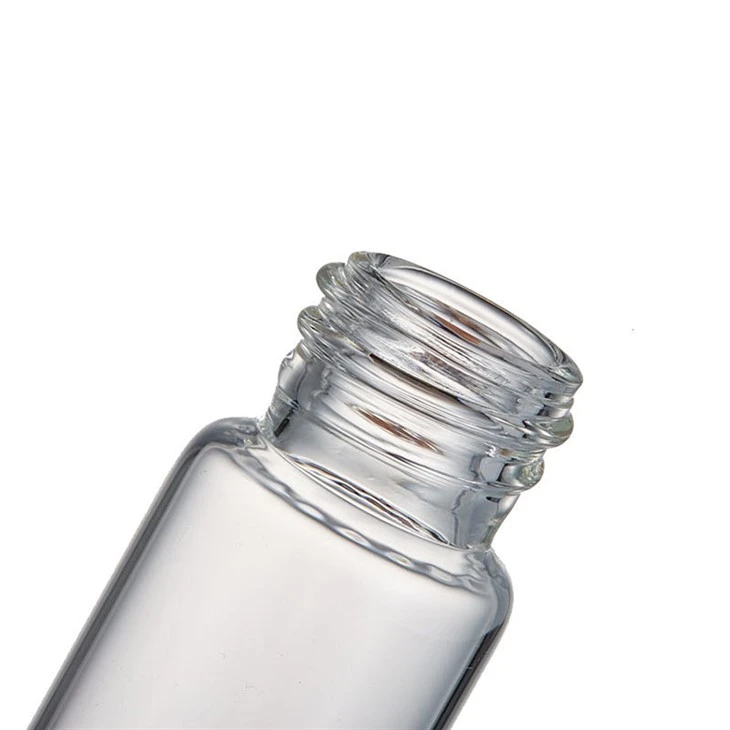
Screw - top closures are very common. They provide a tight seal, which helps prevent leaks and contamination. They're also easy to open and close, making them user - friendly. You can find screw - top closures on many of our vials, including the Flip Cap Amber Bottles.
Dropper Closures
Dropper closures are great for substances that need to be dispensed in small, precise amounts. They're commonly used for essential oils, eye drops, and some liquid medications. The dropper allows you to control the amount of liquid you're using, which is very convenient.
Snap - On Closures
Snap - on closures are quick and easy to use. They're not as tight as screw - top closures, but they're still suitable for many applications. They're often used for vials that don't need an airtight seal, like some cosmetic samples.
4. Evaluate the Color
The color of the vial can have a big impact on the contents, especially if they're light - sensitive.
Clear Vials
Clear vials are great for substances that aren't affected by light. They allow you to see the contents clearly, which can be useful for quality control and identification.
Amber Vials
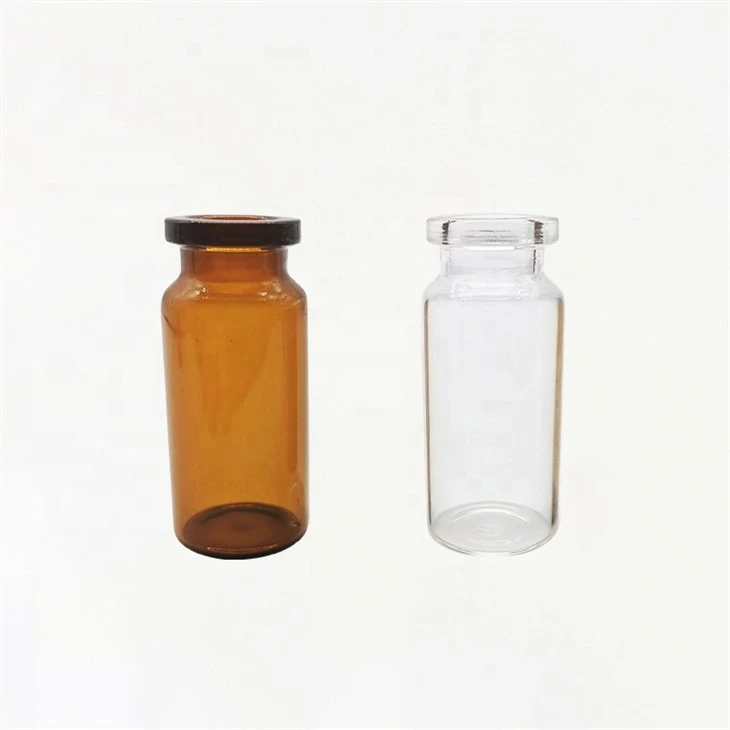
Amber vials are designed to protect light - sensitive substances. The amber color filters out UV light, which can cause degradation in many chemicals and medicines. Our Flip Cap Amber Bottles are a popular choice for storing light - sensitive liquids.
Other Colors
There are also vials available in other colors, like blue or green. These colors can also provide some protection against light, but not as much as amber. They're often used for aesthetic reasons or for specific applications where a certain level of light protection is needed.
5. Check the Compatibility
It's essential to make sure that the vial is compatible with the substance you're going to store in it.
Chemical Compatibility
If you're storing chemicals, you need to ensure that the vial material won't react with the chemicals. For example, some chemicals can corrode plastic, so you might need to use a glass vial instead. Always check the chemical resistance of the vial material before making a decision.
Biological Compatibility
If you're storing biological samples, like blood or tissue samples, you need to make sure that the vial is sterile and won't contaminate the samples. Some vials are specifically designed for biological applications and are treated to prevent the growth of bacteria and other microorganisms.
6. Consider the Brand and Quality
Not all vials are created equal. It's important to choose a reputable brand that offers high - quality products.
Reputation
A brand with a good reputation is more likely to produce vials that meet industry standards. You can check online reviews and ask for recommendations from other businesses in your industry.
Quality Control
A good brand will have strict quality control measures in place. This ensures that each vial is consistent in terms of size, material, and closure. You don't want to end up with a batch of vials that have different sealing properties or are made from sub - standard materials.
7. Think About the Application
Finally, you need to consider the specific application of the vial.
Pharmaceutical Applications
In the pharmaceutical industry, vials need to meet strict regulatory requirements. They need to be sterile, have a tight seal, and be made from materials that are compatible with the medications. Our Penicillin Bottle is designed to meet the high standards of the pharmaceutical industry.
Cosmetic Applications
For cosmetics, vials need to be aesthetically pleasing as well as functional. They should protect the product from contamination and oxidation. You might also want to consider vials with unique designs or closures to make your product stand out on the shelf.
Laboratory Applications
In a laboratory setting, vials need to be accurate and reliable. They should be able to withstand different temperatures and chemical reactions. You might need vials with specific markings or graduations for precise measurements.
If you're still not sure which vial is right for your needs, don't hesitate to reach out. We're here to help you make the best choice. Whether you need a small batch of vials for a new product launch or a large quantity for ongoing production, we've got you covered. Contact us to start a conversation about your vial requirements, and let's work together to find the perfect solution.
References
- "Handbook of Pharmaceutical Excipients"
- "Plastic Packaging Technology"
- Industry reports on vial manufacturing and usage