

Can aluminum caps be used for food products? That's a question I get asked a lot as an aluminum cap supplier. I'm here to give you the lowdown on whether these caps are a good fit for your food items.
First off, let's talk about why aluminum is a popular choice for caps in the first place. Aluminum is lightweight, which is a big plus when it comes to shipping and handling. You don't want to be paying extra for heavy packaging. It's also highly malleable, meaning it can be easily formed into different shapes and sizes of caps. Whether you need a small cap for a spice jar or a larger one for a pickle container, aluminum can be customized to meet your needs.
One of the most important factors when it comes to food packaging is safety. Aluminum is non - toxic, which is a huge deal when it comes to food products. It doesn't react with most food substances, so you don't have to worry about any harmful chemicals leaching into your food. This makes it a reliable option for keeping your food safe and fresh.
Another advantage of aluminum caps is their excellent barrier properties. They can effectively block out light, oxygen, and moisture. Light can cause food to deteriorate, especially if it contains sensitive ingredients like vitamins and antioxidants. Oxygen can lead to oxidation, which can make food go rancid or change its flavor. And moisture can promote the growth of mold and bacteria. Aluminum caps act as a shield, protecting your food from these elements and extending its shelf life.
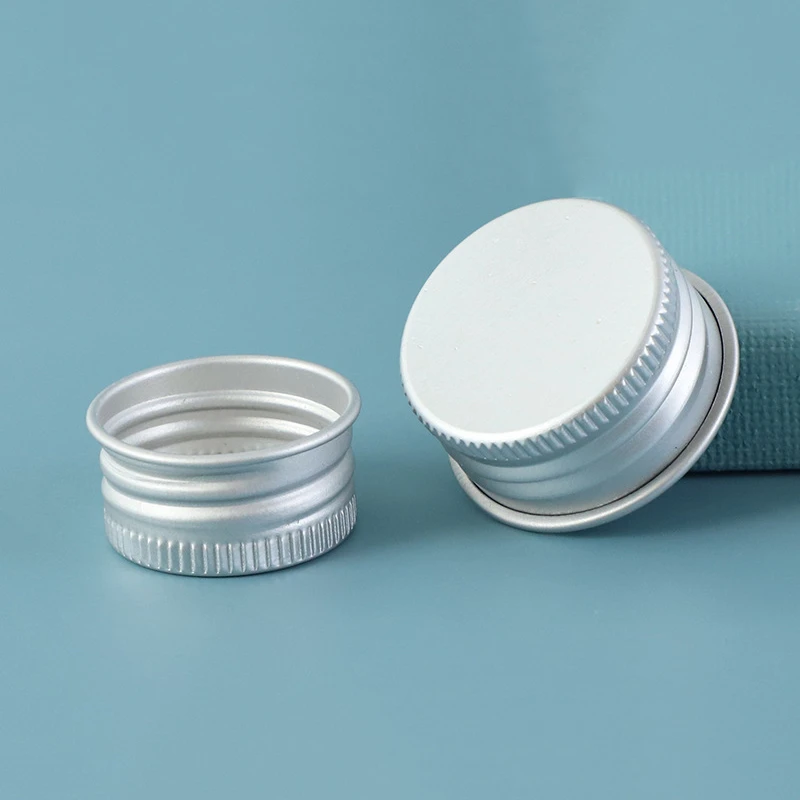
Now, let's look at some of the specific types of aluminum caps that are commonly used for food products. The Metal Screw Caps are a popular choice. They provide a tight seal, which is crucial for keeping food fresh. You can easily screw them on and off, making them convenient for consumers. These caps come in various sizes and finishes, so you can choose the one that best suits your product.
The Aluminum Screw Cap 28mm is a specific size that is often used for smaller food containers, like jam jars or small bottles of olive oil. The 28mm size is a standard that is widely recognized in the industry, so it's easy to find containers that are compatible with these caps.
When it comes to food products, hygiene is of utmost importance. Aluminum caps can be easily sterilized, which is essential for ensuring that your food remains safe to consume. Whether you're using heat sterilization or chemical sterilization methods, aluminum can withstand the process without losing its integrity.
However, there are a few things to keep in mind when using aluminum caps for food. Some acidic foods, like tomatoes or citrus fruits, can react with aluminum over time. To prevent this, a lining is often added to the inside of the cap. This lining acts as a barrier between the aluminum and the food, preventing any unwanted reactions.
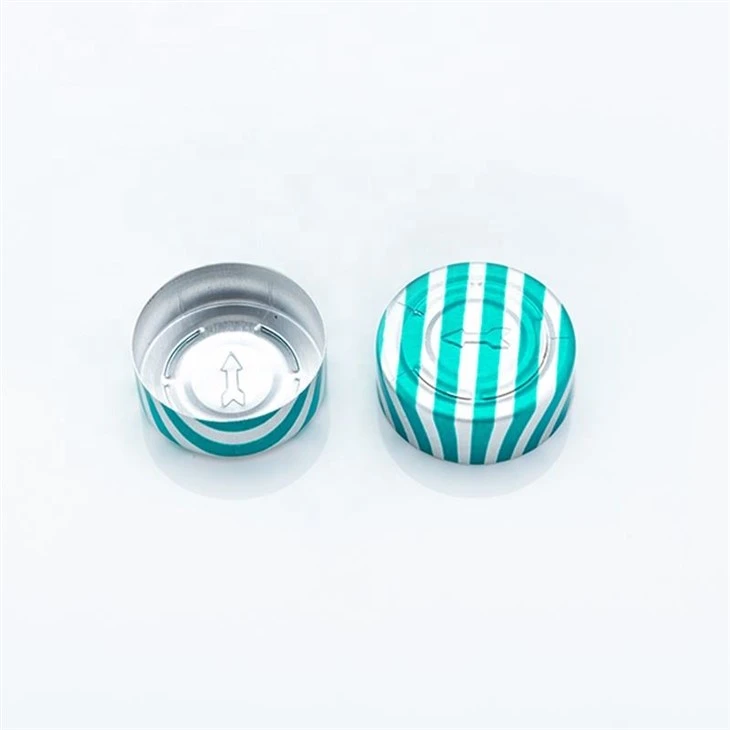
In addition to food products, aluminum caps are also used in the medical industry. The Medical Aluminum Cover is designed to meet the strict safety and hygiene standards of the medical field. This shows that aluminum is a versatile material that can be trusted in different industries.
So, to answer the question, yes, aluminum caps can definitely be used for food products. They offer a combination of safety, functionality, and customization options. If you're in the food business and looking for a reliable packaging solution, aluminum caps are worth considering.
If you're interested in purchasing aluminum caps for your food products, I'd love to have a chat with you. We can discuss your specific requirements, such as the size, style, and quantity of caps you need. Whether you're a small - scale artisanal food producer or a large - scale food manufacturer, we can work together to find the perfect aluminum cap solution for your business. Reach out to me, and let's start this exciting journey of packaging your delicious food products with high - quality aluminum caps.
References
- "Packaging Materials and Food Safety" by the Food and Agriculture Organization of the United Nations.
- "Aluminum in Food Packaging: Properties and Applications" from the Journal of Food Packaging Science.