

Hey there! As a medicine bottle supplier, I've seen firsthand how crucial it is to choose the right medicine bottle. It's not just about looking good on the shelf; it's about ensuring the safety and effectiveness of the medication inside. So, let's dive into some key factors to consider when making this important decision.
1. Material Matters
The material of the medicine bottle plays a huge role in protecting the medication. There are mainly two types: glass and plastic.
Glass Bottles
Glass is a classic choice for medicine bottles, and for good reason. It's inert, which means it won't react with the medication. This is super important because some medications can be sensitive to chemical reactions. Glass also provides a high level of protection against light, moisture, and oxygen. For example, Penicillin Bottle is often made of glass to keep the penicillin stable.
One of the downsides of glass is that it's breakable. But if handled properly, it can last a long time. Glass bottles also have a more premium look, which can be appealing for high - end medications.
Plastic Bottles
Plastic bottles are lightweight and less likely to break compared to glass. They're also more cost - effective, which is great for mass - produced medications. However, not all plastics are created equal. Some plastics may leach chemicals into the medication over time, especially if the medication is acidic or alkaline. So, it's essential to choose high - quality, medical - grade plastics.
2. Size and Shape
The size and shape of the medicine bottle should be chosen based on the volume of the medication and how it will be used.
Volume
If you're dealing with a large quantity of liquid medication, you'll obviously need a bigger bottle. On the other hand, for single - dose or small - quantity medications, a smaller bottle will do the trick. For example, eye drops usually come in small, slender bottles because you only need a few drops at a time.
Shape
The shape of the bottle can also affect its usability. For instance, round bottles are easy to hold and can be stacked neatly on shelves. However, if the medication needs to be dispensed in a particular way, like a dropper bottle for liquid medicine, the shape will be designed accordingly. Pharmacy Medicine Bottles come in a variety of shapes and sizes to meet different needs.
3. Closure Type
The closure of the medicine bottle is another important consideration. It needs to keep the medication secure and prevent leakage.
Screw - on Caps
Screw - on caps are very common. They provide a tight seal and are easy to open and close. Some screw - on caps also have child - resistant features, which are crucial for medications that could be harmful if ingested by children.
Dropper Caps
For liquid medications that need to be dispensed in small amounts, dropper caps are a great choice. They allow for precise dosing and can be easily controlled.
Push - down and Turn Caps
These caps are often used for medications that require an extra level of protection. You need to push down and then turn the cap to open it, which makes it more difficult for children to access the contents.
4. Light Protection
Many medications are sensitive to light, especially ultraviolet (UV) light. Exposure to light can cause the medication to degrade, reducing its effectiveness.
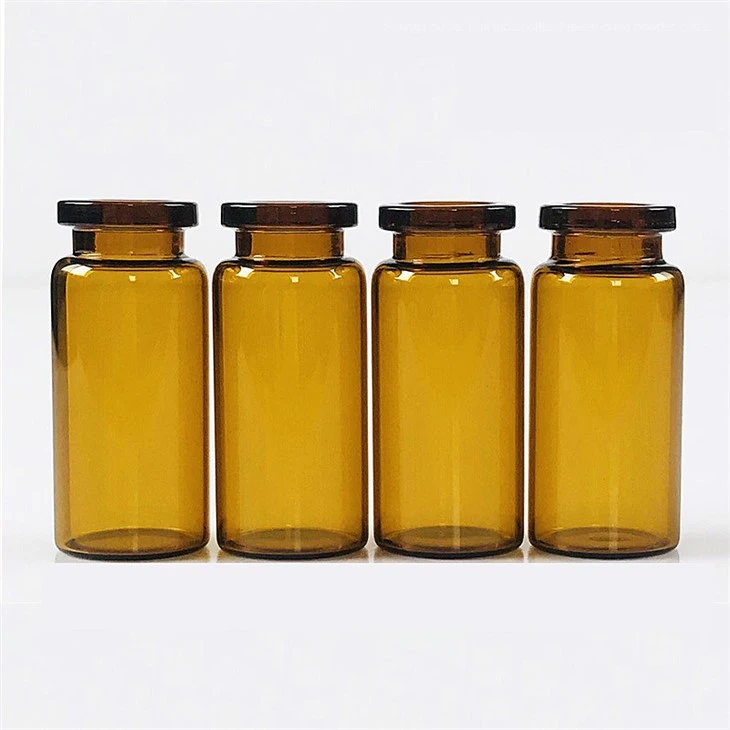
Amber Glass Bottles
Amber glass is a popular choice for light - sensitive medications. It filters out a significant amount of UV light, protecting the medication inside. If you're dealing with medications like vitamins or certain antibiotics, amber glass bottles can be a great option.
Blue Glass Bottle
Blue glass also offers some level of light protection. It's not as effective as amber glass in blocking UV light, but it can still provide a decent amount of protection for less light - sensitive medications.
5. Labeling and Branding
The bottle is not just a container; it's also a marketing tool. Good labeling and branding can help your medication stand out on the shelf.
Clear Labeling
The label should clearly state the name of the medication, dosage instructions, expiration date, and any warnings. This is not only important for the consumer but also for regulatory compliance.
Branding
Your brand logo and colors can be incorporated into the label design. A well - designed label can create a strong brand identity and make your product more memorable.
6. Compatibility with Medication
Last but not least, the bottle must be compatible with the medication it will hold. Some medications may be corrosive or reactive with certain materials.
Chemical Compatibility
Before choosing a bottle, you need to test the compatibility of the bottle material with the medication. For example, some medications may react with certain types of plastics, so it's important to choose a plastic that won't be affected.
Temperature Compatibility
If the medication needs to be stored at a specific temperature, the bottle should be able to withstand those conditions. For example, if the medication needs to be refrigerated, the bottle should not crack or become brittle at low temperatures.

So, there you have it! These are the main factors to consider when choosing the right medicine bottle. As a medicine bottle supplier, I can help you find the perfect bottle for your medication. Whether you need a Penicillin Bottle, a Blue Glass Bottle, or Pharmacy Medicine Bottles, I've got you covered.
If you're interested in discussing your specific needs or want to place an order, feel free to reach out. I'm here to assist you in making the best choice for your medication packaging.
References
- "Pharmaceutical Packaging Handbook" by Charles A. Irwin Jr.
- "Packaging Technology" by Wilmer A. Jenkins and James P. Harrington.