

Hey there! I'm a supplier of Glass Medical Vials, and I know firsthand how crucial it is to pick the right vial for a specific medication. In this blog, I'll share some tips and things to think about when making this important decision.
First off, let's talk about why choosing the right glass medical vial matters. Medications are sensitive substances, and the vial they're stored in can have a big impact on their stability and effectiveness. A wrong choice could lead to chemical reactions, contamination, or a loss of potency. So, it's not something to take lightly.
Compatibility with the Medication
The first thing you need to consider is the compatibility between the medication and the glass. Different medications have different chemical properties, and some might react with certain types of glass. For example, acidic medications can corrode some glasses over time. You need to make sure the glass you choose is chemically inert to the medication.
Most glass medical vials are made from either borosilicate glass or soda - lime glass. Borosilicate glass is known for its high resistance to thermal shock and chemical corrosion. It's a great choice for medications that are sensitive to pH changes or need to be stored at extreme temperatures. On the other hand, soda - lime glass is more commonly used for less sensitive medications because it's cheaper. But you've got to be careful as it may not be as resistant to chemical reactions.
If you're dealing with a medication that has a high alcohol content or is highly acidic, I'd recommend checking out Glass Medical Vials. They offer a wide range of borosilicate glass vials that can handle these tough conditions.
Size and Capacity
Another important factor is the size and capacity of the vial. You need to choose a vial that can hold the right amount of medication without leaving too much empty space. Too much headspace can lead to oxidation and degradation of the medication.
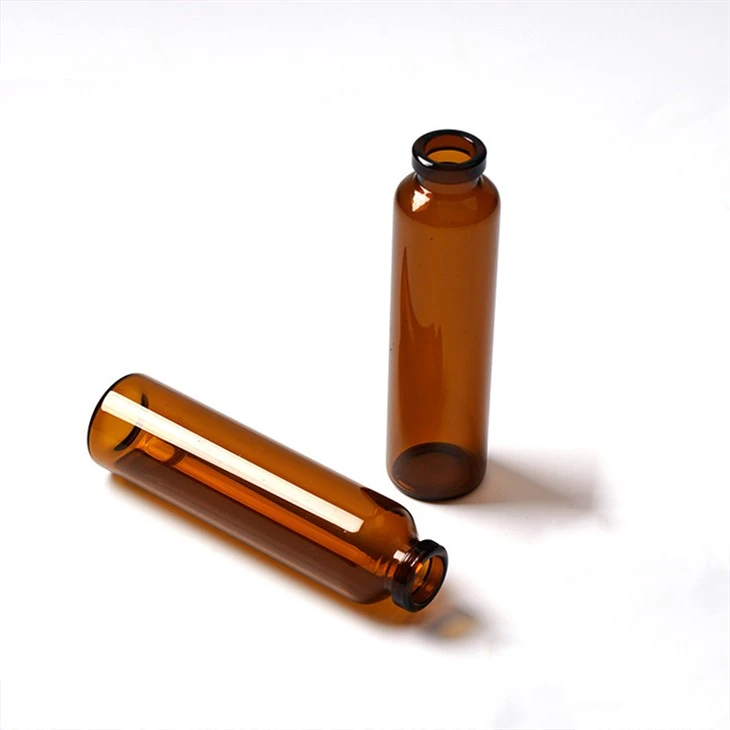

Let's say you're working with a liquid medication that comes in a 10 - milliliter dose. In that case, a 10ml Glass Vial with Rubber Stopper would be a great option. The rubber stopper helps to keep the medication sealed and protected from the outside environment.
But if you're dealing with a powder medication, you might want to consider a 10ml Glass Bottle. The wider opening can make it easier to fill and reconstitute the powder when needed.
Closure System
The closure system of the vial is also super important. It needs to provide a tight seal to prevent leakage and contamination. There are different types of closure systems available, such as screw caps, rubber stoppers, and crimp seals.
Screw caps are easy to use and can be removed and replaced multiple times. They're a good choice for medications that need to be accessed frequently. Rubber stoppers, on the other hand, provide a more airtight seal. They're often used in combination with crimp seals for extra protection. Crimp seals are especially useful for injectable medications as they ensure a sterile environment.
Sterility and Quality Control
When it comes to medical vials, sterility is non - negotiable. You need to make sure the vials are manufactured in a clean and controlled environment. Look for a supplier that has strict quality control measures in place. This includes testing for things like particle contamination, leakage, and chemical purity.
A good supplier will also provide documentation to prove the sterility and quality of their vials. This can be really important if you're working in a regulated industry.
Cost - Effectiveness
Of course, cost is always a consideration. You want to get the best value for your money without compromising on quality. While borosilicate glass vials are generally more expensive than soda - lime glass vials, they can save you money in the long run by protecting your medication from degradation.
It's also a good idea to compare prices from different suppliers. But remember, the cheapest option isn't always the best. Make sure you're getting a high - quality product that meets your needs.
Regulatory Compliance
The medical industry is highly regulated, and you need to make sure the vials you choose comply with all the relevant regulations. This includes things like the United States Pharmacopeia (USP) standards and the European Pharmacopoeia (EP) standards.
A reputable supplier will be able to provide you with information on the regulatory compliance of their vials. This can give you peace of mind knowing that you're using a product that meets all the necessary requirements.
Storage and Handling
Think about how the medication will be stored and handled. If it needs to be stored in a freezer, for example, you'll need a vial that can withstand low temperatures without cracking. Also, consider how the vial will be transported. It should be able to withstand some rough handling without breaking.
In conclusion, choosing the right glass medical vial for a specific medication is a complex process. You need to consider factors like compatibility, size, closure system, sterility, cost - effectiveness, regulatory compliance, and storage and handling. But if you take the time to do your research and work with a reliable supplier, you can find the perfect vial for your needs.
If you're interested in learning more about our Glass Medical Vials or have any questions about choosing the right vial for your medication, feel free to reach out. We're here to help you make the best decision for your business.
References
- United States Pharmacopeia (USP) official website
- European Pharmacopoeia (EP) official documentation
- Industry reports on glass medical vials manufacturing and quality control