

As a supplier of glass bottles, I've often been asked various questions about our products. One particularly interesting query that has come up is whether glass bottles attract insects. This question might seem a bit odd at first, but it's actually quite relevant, especially for those who use glass bottles in different settings, such as for storing food, beverages, or even in a medical context. In this blog, I'll delve into the science behind this question and share some insights based on my experience in the glass bottle industry.
Let's start by understanding what typically attracts insects. Insects are generally drawn to sources of food, water, and shelter. Their sense of smell is highly developed, and they can detect even the slightest traces of substances that are appealing to them. For example, sweet-smelling liquids like fruit juices, sugary drinks, and fermented substances are known to be major attractants for many types of insects, including flies, bees, and wasps. Additionally, some insects are attracted to the warmth and humidity that can be found within certain environments.
Now, let's consider glass bottles themselves. Glass is an inert material, which means it doesn't emit any odors on its own. Unlike plastic or other materials that might release chemical fumes or have a distinct smell, glass is odorless. This lack of odor makes glass bottles less likely to attract insects based on the bottle material alone. However, the contents of the glass bottle are a different story.
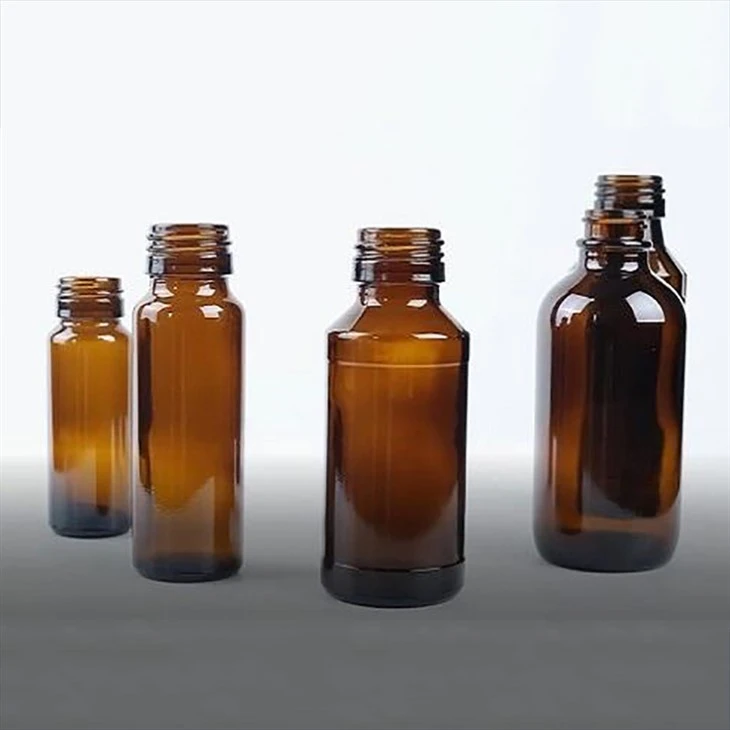
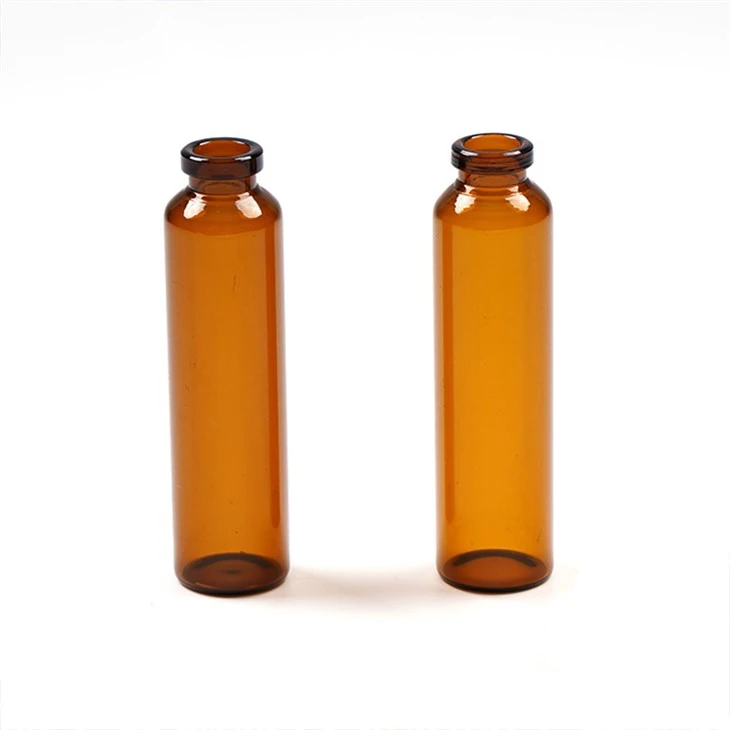
If a glass bottle contains food or beverages, especially those with a strong smell or high sugar content, it can definitely attract insects. For instance, a glass bottle filled with freshly squeezed orange juice will likely draw in fruit flies and bees. The sweet aroma of the juice is detectable from a distance, and insects are naturally inclined to investigate potential food sources. Similarly, if a glass bottle is used to store honey or other sticky substances, it can become a magnet for ants and other crawling insects.
On the other hand, if the glass bottle is used to store items that are not appealing to insects, such as medications or certain chemicals, it is less likely to attract them. For example, a 20ml Amber Glass Bottle Medicine is designed to protect the contents from light and maintain their stability. Since medications typically don't have an odor that is attractive to insects, the bottle itself is not likely to draw them in.
Another factor to consider is the cleanliness of the glass bottle. If a bottle has been used to store something sticky or smelly and is not properly cleaned, it can leave behind residues that attract insects. Even a small amount of sugary liquid on the outside of the bottle can be enough to entice insects. Therefore, it's important to thoroughly clean glass bottles before reuse, especially if they have previously held substances that are appealing to insects.
In addition to the contents and cleanliness, the design of the glass bottle can also play a role in whether it attracts insects. Bottles with wide openings are more accessible to insects, making it easier for them to get inside and reach the contents. In contrast, bottles with narrow necks or tight-fitting lids can act as a barrier, preventing insects from entering. For example, our Mini Bottles Glass often come with small openings and secure caps, which can help reduce the risk of insect intrusion.
It's also worth noting that some insects are attracted to light. Glass bottles, especially clear ones, can reflect and refract light, which might make them more noticeable to insects. However, this is usually not a significant factor compared to the presence of food or other attractants.
In summary, glass bottles themselves do not attract insects, but the contents, cleanliness, and design of the bottle can all influence whether insects are drawn to them. If you're using glass bottles to store food or beverages, it's important to take precautions to prevent insect infestations. This includes keeping the bottles clean, using tight-fitting lids, and storing them in a cool, dry place.
As a glass bottle supplier, we offer a wide range of products to meet different needs. Whether you're looking for small bottles like our 2ml Glass Bottle for essential oils or larger bottles for storing beverages, we have the right solution for you. Our glass bottles are made from high-quality materials and are designed to be durable and functional.
If you're interested in purchasing glass bottles for your business or personal use, we'd be happy to discuss your requirements. We can provide detailed information about our products, including specifications, pricing, and customization options. Contact us today to start a conversation about your glass bottle needs.
References
- "Insect Behavior and Ecology" by John L. Capinera
- "The Chemistry of Glass" by Peter J. Brinker