

As a dedicated supplier of aluminum plastic caps, I understand the importance of proper storage to maintain the quality and integrity of these essential products. Aluminum plastic caps are widely used in various industries, including pharmaceuticals, cosmetics, food and beverage, and more. Their unique combination of aluminum and plastic materials offers excellent protection and sealing properties, making them a popular choice for packaging. In this blog post, I will share some valuable insights on how to store aluminum plastic caps effectively.

Understanding the Characteristics of Aluminum Plastic Caps
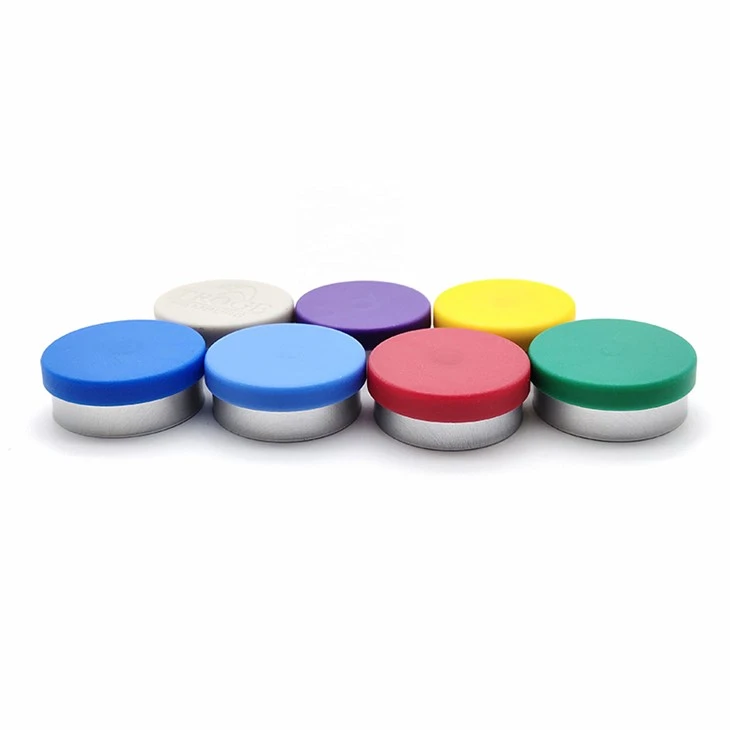
Before delving into the storage methods, it's crucial to understand the key characteristics of aluminum plastic caps. These caps are typically made of an aluminum outer layer and a plastic inner liner. The aluminum provides strength, durability, and a barrier against light, oxygen, and moisture, while the plastic liner ensures a tight seal and compatibility with the contents of the container.
However, these materials can be sensitive to certain environmental factors. Aluminum is prone to corrosion when exposed to moisture and certain chemicals, while plastic can be affected by temperature, humidity, and UV radiation. Therefore, proper storage conditions are essential to prevent damage and maintain the functionality of the caps.
Ideal Storage Conditions
- Temperature: The ideal temperature for storing aluminum plastic caps is between 10°C and 30°C (50°F and 86°F). Extreme temperatures can cause the plastic to expand or contract, leading to a loose fit or deformation of the cap. High temperatures can also accelerate the oxidation of aluminum, resulting in discoloration and reduced corrosion resistance.
- Humidity: Humidity levels should be kept between 40% and 60%. Excessive humidity can promote the growth of mold and mildew, which can contaminate the caps and affect their performance. It can also cause the aluminum to corrode, leading to pitting and surface damage. On the other hand, low humidity can cause the plastic to become brittle and prone to cracking.
- Light: Aluminum plastic caps should be stored in a dark or low-light environment to prevent UV radiation from damaging the plastic. UV rays can cause the plastic to degrade over time, leading to a loss of flexibility and strength. If possible, store the caps in opaque containers or in a room with minimal exposure to sunlight.
- Ventilation: Adequate ventilation is essential to prevent the accumulation of moisture and odors. Good air circulation helps to maintain a stable environment and reduces the risk of mold and mildew growth. However, avoid storing the caps in areas with strong drafts or direct airflow, as this can cause the caps to become dirty or contaminated.
Storage Containers
The choice of storage containers is also important for protecting aluminum plastic caps. Here are some options to consider:
- Plastic Bags: Plastic bags are a simple and cost-effective way to store aluminum plastic caps. They provide a barrier against dust, dirt, and moisture, and can be easily labeled for identification. However, make sure to choose high-quality, thick plastic bags that are free from holes or tears.
- Plastic Containers: Plastic containers with tight-fitting lids are another good option. They offer more protection than plastic bags and can be stacked or stored on shelves. Look for containers made of durable, food-grade plastic that is resistant to impact and chemical damage.
- Cardboard Boxes: Cardboard boxes can be used for storing larger quantities of aluminum plastic caps. They are lightweight, inexpensive, and easy to handle. However, cardboard is porous and can absorb moisture, so it's important to use moisture-resistant cardboard or line the boxes with plastic sheeting.
- Metal Cabinets: Metal cabinets provide the highest level of protection for aluminum plastic caps. They are durable, fire-resistant, and can be locked to prevent unauthorized access. However, metal cabinets can be expensive and may require special ventilation to prevent condensation.
Handling and Stacking
Proper handling and stacking of aluminum plastic caps are also crucial to prevent damage. Here are some tips:
- Handle with Care: When handling aluminum plastic caps, avoid dropping or banging them against hard surfaces. This can cause the caps to become dented, scratched, or deformed, which can affect their sealing performance.
- Stacking: When stacking aluminum plastic caps, make sure to stack them in a stable and secure manner. Avoid overloading the stacks, as this can cause the caps at the bottom to become crushed or damaged. If possible, use pallets or racks to stack the caps and keep them off the floor.
- Separation: If storing different types or sizes of aluminum plastic caps, make sure to separate them to prevent mixing. This can help to ensure that the correct caps are used for the right containers and reduce the risk of contamination.
Regular Inspection
Regular inspection of stored aluminum plastic caps is essential to detect any signs of damage or deterioration. Here are some things to look for:
- Corrosion: Check the aluminum surface of the caps for signs of corrosion, such as rust, pitting, or discoloration. If corrosion is detected, the caps should be removed from storage and replaced.
- Deformation: Look for any signs of deformation, such as cracks, dents, or warping. Deformed caps may not fit properly on the containers and can affect the sealing performance.
- Contamination: Check the caps for any signs of contamination, such as dirt, dust, or debris. Contaminated caps should be cleaned or replaced before use.
- Expiration Date: Check the expiration date of the caps, if applicable. Expired caps may not provide the same level of protection and should be discarded.
Conclusion
Proper storage of aluminum plastic caps is essential to maintain their quality and integrity. By following the tips and guidelines outlined in this blog post, you can ensure that your aluminum plastic caps are stored in the best possible conditions and are ready for use when needed.
If you are in the market for high-quality aluminum plastic caps, I invite you to explore our extensive range of products. We offer a variety of Aluminum Plastic Vial Cap, Aluminum Plastic Cover, and Glass Bottle Flip Top options to meet your specific needs. Our caps are manufactured using the latest technology and highest quality materials to ensure superior performance and reliability.
Contact us today to discuss your requirements and learn more about how our aluminum plastic caps can benefit your business. We look forward to working with you!
References
- ASTM International. (2021). Standard Practice for Packaging/Packing of Products for Storage and Shipment. ASTM D4169-21.
- International Safe Transit Association. (2020). Packaging Laboratory Testing Program. ISTA 1A-20.
- Packaging Machinery Manufacturers Institute. (2021). Packaging Machinery Safety Standard. PMMI B155.1-2021.