

Removing a closure from a penicillin bottle without causing any damage is a task that requires precision and knowledge. As a supplier of penicillin bottles, I've encountered numerous inquiries regarding this process. In this blog post, I'll share some effective methods and considerations to ensure you can safely remove the closure from a penicillin bottle intact.
Understanding the Penicillin Bottle and Its Closure
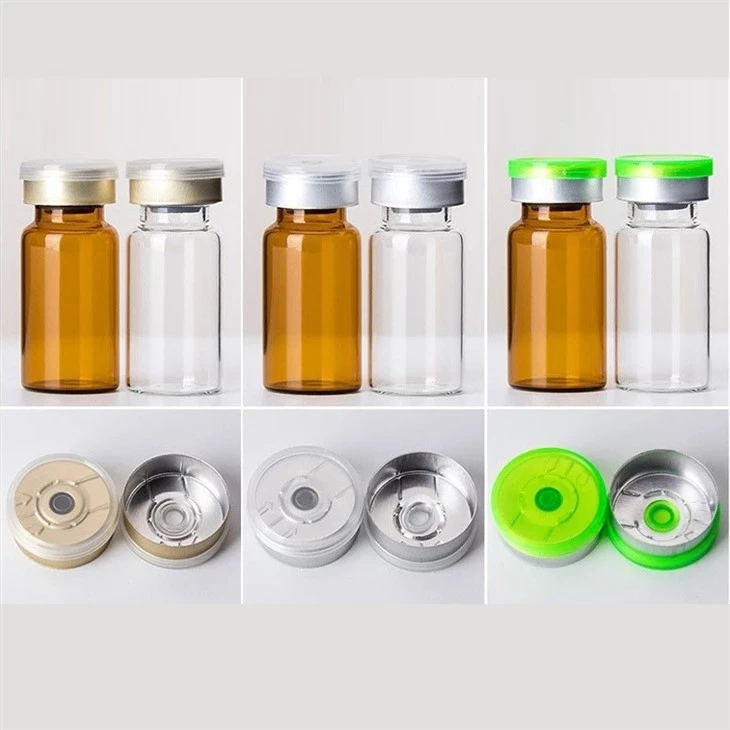
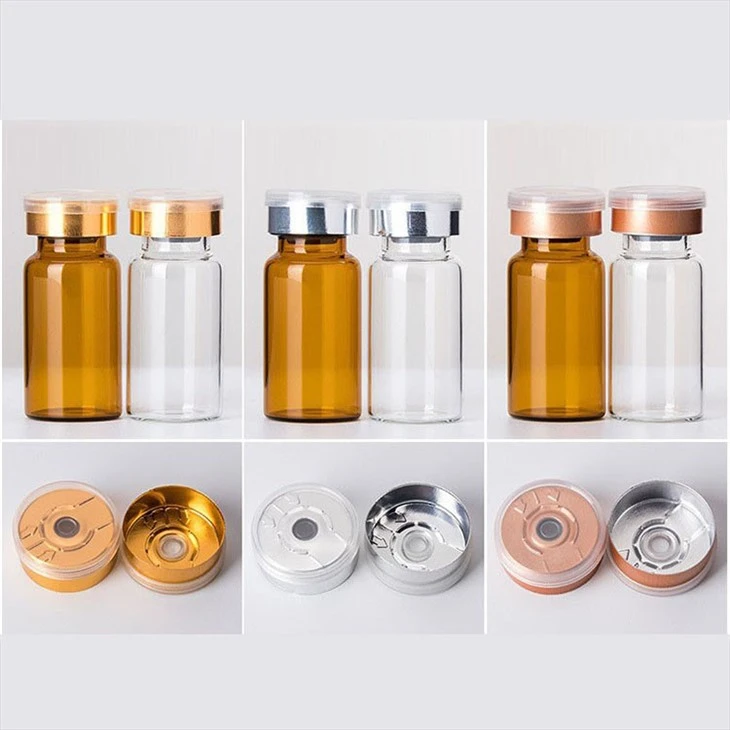
Before delving into the removal process, it's essential to understand the components of a penicillin bottle and its closure. Penicillin bottles are typically made of high - quality glass, which provides a stable and sterile environment for storing medications. The closures are designed to maintain the integrity of the contents inside the bottle, preventing contamination and ensuring the efficacy of the medication.
There are various types of closures used for penicillin bottles, such as rubber stoppers and aluminum seals. Rubber stoppers are commonly used to create an air - tight seal, while aluminum seals are placed over the rubber stoppers to provide additional protection and a tamper - evident feature.
Tools Required for Closure Removal
To remove the closure from a penicillin bottle without damaging it, you'll need a few basic tools:
- Scissors or a Seal Cutter: A sharp pair of scissors or a specialized seal cutter can be used to carefully cut the aluminum seal around the neck of the bottle.
- Forceps or Tweezers: Forceps or tweezers can be used to grip and remove the rubber stopper after the aluminum seal has been removed.
- Clean Work Surface: It's crucial to work on a clean and sterile surface to prevent any contamination of the bottle or its contents.
Step - by - Step Guide to Removing the Closure
Step 1: Prepare the Work Area
Ensure your work area is clean and free from any debris. You can use a disinfectant to wipe down the surface before starting the process. This helps to maintain a sterile environment and reduces the risk of contamination.
Step 2: Inspect the Bottle
Before attempting to remove the closure, inspect the bottle for any signs of damage or tampering. If the bottle is cracked or the seal is broken, do not proceed with the removal process, as the contents may be compromised.
Step 3: Remove the Aluminum Seal
Using a pair of scissors or a seal cutter, carefully cut the aluminum seal around the neck of the bottle. Start at the edge of the seal and make a smooth, continuous cut all the way around. Take your time and be careful not to cut too deeply, as this could damage the rubber stopper or the bottle itself. Once the seal has been cut, gently peel it away from the bottle. You can find a variety of penicillin bottles, including 2ml Glass Bottle and 1ml Glass Bottle on our website, which come with high - quality aluminum seals for optimal protection.
Step 4: Remove the Rubber Stopper
After the aluminum seal has been removed, use forceps or tweezers to grip the rubber stopper firmly. Gently pull the stopper straight up and out of the bottle. Be careful not to twist or tilt the stopper, as this could cause it to break or become damaged. If the stopper is difficult to remove, you can try applying a small amount of pressure to the sides of the bottle to loosen it slightly.
Step 5: Inspect the Stopper and Bottle
Once the stopper has been removed, inspect it for any signs of damage. If the stopper is intact, it can be reused if necessary. Also, inspect the bottle to ensure there are no pieces of the seal or stopper remaining inside.
Considerations and Precautions
- Sterility: Maintaining a sterile environment is crucial throughout the process. Wear gloves and use sterile tools to prevent any contamination of the bottle or its contents.
- Proper Disposal: After removing the closure, dispose of the aluminum seal and any other waste materials properly. This helps to prevent environmental pollution and ensures the safety of others.
- Handling of the Bottle: Handle the bottle with care to avoid any accidental breakage. Glass bottles can be fragile, so it's important to hold them firmly but gently.
Applications of Penicillin Bottles
Penicillin bottles are widely used in the pharmaceutical industry for storing various medications, including antibiotics, vaccines, and other injectable drugs. They are also used in research laboratories for storing and transporting small quantities of biological samples. Our Clear Medicine Bottle is a popular choice among our customers due to its transparency, which allows for easy visualization of the contents inside.
Conclusion
Removing a closure from a penicillin bottle without damaging it is a straightforward process when you follow the right steps and use the appropriate tools. As a penicillin bottle supplier, we understand the importance of maintaining the integrity of the bottles and their closures. If you have any further questions or need assistance with penicillin bottle selection or closure removal, please feel free to contact us. We are always ready to help you with your procurement needs and provide you with high - quality products.
References
- Pharmaceutical Packaging Handbook, Second Edition. Edited by Gordon L. Amidon, et al.
- Good Manufacturing Practices for Pharmaceuticals, International Society for Pharmaceutical Engineering.