

Disposing of a used penicillin bottle is a matter that requires careful consideration, especially for a penicillin bottle supplier like me. In this blog, I will explore the various aspects of penicillin bottle disposal, from the reasons behind proper disposal to the methods and best practices.
Why Proper Disposal of Penicillin Bottles Matters
Penicillin bottles are typically made of glass and are used to store penicillin and other medications. These bottles can pose potential risks if not disposed of correctly. Firstly, the glass can break, creating sharp edges that may cause injuries to waste handlers or others who come into contact with the discarded bottles. Secondly, there may be residual traces of the medication inside the bottle, which could be harmful if released into the environment or accidentally ingested.
As a penicillin bottle supplier, I understand the importance of ensuring that the products I provide are not only of high quality but also managed responsibly throughout their lifecycle. Proper disposal of used penicillin bottles is not only a legal requirement in many regions but also an ethical obligation to protect public health and the environment.
Types of Penicillin Bottles
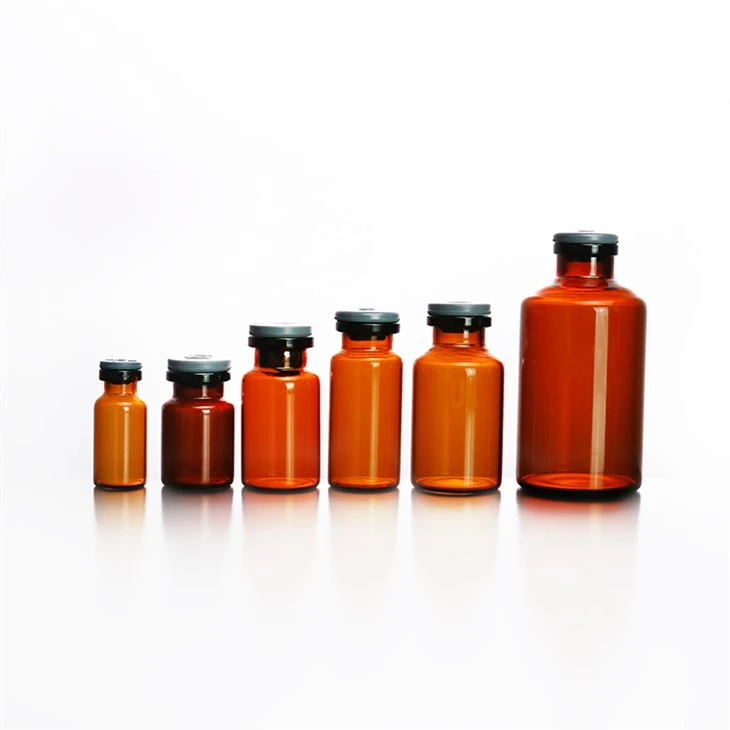
Before discussing the disposal methods, it's important to understand the different types of penicillin bottles. There are various kinds available in the market, such as Medical Vial, Freeze-dried Powder Bottle, and Medical Bottles with Rubber Stopper. Each type may have specific characteristics that affect the disposal process.
Medical vials are often small and used for storing liquid medications. They are usually made of high-quality glass to ensure the stability of the contents. Freeze-dried powder bottles are designed to preserve medications in a dry state, which requires special handling during both use and disposal. Medical bottles with rubber stoppers are commonly used for injectable medications and need to be disposed of in a way that prevents the leakage of any remaining liquid.
Disposal Methods
1. Segregation
The first step in disposing of used penicillin bottles is segregation. It's crucial to separate them from other types of waste. In a healthcare setting, this may involve using designated containers for sharps and medical waste. Penicillin bottles should be placed in a container that is puncture-resistant and clearly labeled as medical waste. This helps to prevent accidental injuries and ensures that the bottles are handled appropriately by waste management personnel.
2. Cleaning
If possible, the penicillin bottles should be cleaned before disposal. This can help to reduce the risk of contamination. However, cleaning should be done carefully to avoid breaking the bottles or causing any splashing of residual medication. A mild detergent and water can be used to clean the inside and outside of the bottles. After cleaning, the bottles should be thoroughly dried.

3. Crushing (if applicable)
In some cases, crushing the penicillin bottles may be an option. This can reduce the volume of the waste and make it easier to handle. However, crushing should only be done using approved equipment and in a controlled environment. It's important to ensure that the crushing process does not release any harmful substances into the air or cause any injuries to the operators.
4. Incineration
Incineration is a common method for disposing of medical waste, including used penicillin bottles. High-temperature incineration can effectively destroy any remaining medication and sterilize the glass. However, incineration requires specialized facilities and strict environmental controls to ensure that no harmful emissions are released into the atmosphere. It's important to work with a licensed incineration provider to ensure compliance with all relevant regulations.
5. Recycling
Recycling is an environmentally friendly option for disposing of penicillin bottles. The glass can be melted down and reused to make new bottles or other glass products. However, not all penicillin bottles are suitable for recycling. Bottles that are contaminated with certain types of medications or have been treated with special coatings may not be recyclable. It's important to check with local recycling facilities to determine if they accept penicillin bottles and what the specific requirements are.
Best Practices for Disposal
As a penicillin bottle supplier, I recommend the following best practices for disposing of used penicillin bottles:
- Train employees: Ensure that all employees who handle penicillin bottles are trained on proper disposal procedures. This includes understanding the risks associated with the bottles and knowing how to handle them safely.
- Follow regulations: Stay up-to-date with all local, state, and federal regulations regarding the disposal of medical waste. This includes obtaining the necessary permits and working with licensed waste management providers.
- Document disposal: Keep detailed records of all penicillin bottle disposal activities. This includes the quantity of bottles disposed of, the disposal method used, and the date of disposal. Documentation can help to demonstrate compliance with regulations and provide a trail of accountability.
- Educate customers: Provide information to your customers about the proper disposal of penicillin bottles. This can help to ensure that they are handling the products responsibly and reducing the risk of environmental contamination.
Conclusion
Proper disposal of used penicillin bottles is essential for protecting public health and the environment. As a penicillin bottle supplier, I am committed to promoting responsible disposal practices and providing high-quality products that meet the highest standards of safety and sustainability. By following the methods and best practices outlined in this blog, we can ensure that penicillin bottles are disposed of in a way that minimizes risks and maximizes the benefits of recycling and proper waste management.
If you are interested in purchasing penicillin bottles or have any questions about our products, please feel free to contact us for more information and to discuss your specific requirements. We look forward to the opportunity to work with you and provide you with the best solutions for your needs.
References
- World Health Organization. (2014). Safe management of wastes from health - care activities.
- Environmental Protection Agency. (2023). Medical Waste Management.