

Mini bottles made of glass have long been a staple in various industries, especially in laboratories. Their small size and the properties of glass make them an attractive option for storing and handling a wide range of substances. As a supplier of Mini Bottles Glass, I have witnessed firsthand the diverse applications and considerations related to their use in laboratory settings. In this blog, I will explore whether mini bottles glass are truly suitable for laboratory use.
Advantages of Mini Bottles Glass in Laboratories
Chemical Resistance
One of the primary advantages of using glass in laboratory mini bottles is its excellent chemical resistance. Glass is inert to most chemicals, including acids, bases, and organic solvents. This property ensures that the substances stored in the mini bottles do not react with the container material, preserving the integrity of the sample. For example, in a chemistry laboratory, when storing concentrated acids or alkalis, glass mini bottles can prevent any contamination or degradation of the chemicals due to interaction with the container. This is crucial for accurate experimental results and the safety of laboratory personnel.

Transparency
Glass is transparent, allowing laboratory technicians to easily observe the contents of the mini bottles without opening them. This is particularly useful when monitoring the progress of a reaction, checking the color or clarity of a solution, or simply verifying the quantity of the sample. In biological and pharmaceutical laboratories, the ability to visually inspect samples without disturbing them is essential for maintaining sterility and preventing contamination. For instance, when culturing cells in a glass vial (Glass Vial), researchers can monitor cell growth and morphology through the transparent glass.
Sterilizability
Glass can be easily sterilized using various methods, such as autoclaving, dry heat sterilization, or chemical sterilization. This makes mini bottles glass ideal for use in laboratories where aseptic conditions are required. In microbiology laboratories, for example, glass mini bottles are commonly used to store and transport microbial cultures. Before use, the bottles can be sterilized to eliminate any potential contaminants, ensuring the purity of the cultures.
Durability
Glass is a durable material that can withstand a wide range of temperatures and pressures. Mini bottles made of glass can be used in both high - temperature applications, such as in ovens or autoclaves, and low - temperature environments, like in freezers. This durability ensures that the bottles can be reused multiple times, reducing the cost and environmental impact associated with single - use containers. Additionally, glass is less likely to break or deform compared to some plastic materials, providing reliable storage for valuable samples.
Considerations for Laboratory Use
Cost
While glass offers many advantages, it can be more expensive than some plastic alternatives. The cost of manufacturing glass mini bottles, including the raw materials, production processes, and quality control, is relatively high. This can be a significant factor for laboratories with limited budgets. However, it's important to consider the long - term benefits of using glass, such as its reusability and chemical resistance, which may offset the initial higher cost.
Fragility
Although glass is durable in many aspects, it is also fragile and can break easily if mishandled. In a busy laboratory environment, where there is a lot of movement and activity, the risk of glass breakage is a concern. Broken glass can not only lead to the loss of valuable samples but also pose a safety hazard to laboratory personnel. Special precautions, such as using protective packaging and handling glass mini bottles with care, are necessary to minimize the risk of breakage.
Compatibility with Certain Substances
While glass is resistant to most chemicals, there are some substances that can react with it over time. For example, hydrofluoric acid can etch glass, and strong alkaline solutions can slowly dissolve the glass surface. In laboratories where these substances are used, alternative container materials may need to be considered. However, for the majority of common laboratory chemicals, glass mini bottles are a suitable choice.
Applications of Mini Bottles Glass in Different Laboratory Fields
Pharmaceutical Laboratories
In pharmaceutical laboratories, mini bottles glass are widely used for storing and testing drugs and pharmaceutical ingredients. They are often used in the formulation development process, where small quantities of different compounds need to be stored and analyzed. For example, during the pre - clinical testing phase, glass mini bottles can be used to store and transport drug candidates for in - vitro and in - vivo studies. The Pharmacy Medicine Bottles we supply are designed to meet the strict quality and safety requirements of the pharmaceutical industry, ensuring the stability and integrity of the drugs.
Chemical Laboratories
Chemical laboratories use mini bottles glass for a variety of purposes, including storing reagents, conducting small - scale reactions, and sampling. The chemical resistance of glass makes it an ideal choice for handling different types of chemicals, from volatile organic compounds to corrosive acids. For example, in a research laboratory studying new chemical synthesis methods, glass mini bottles can be used to store the intermediate products and final compounds for further analysis.
Biological Laboratories
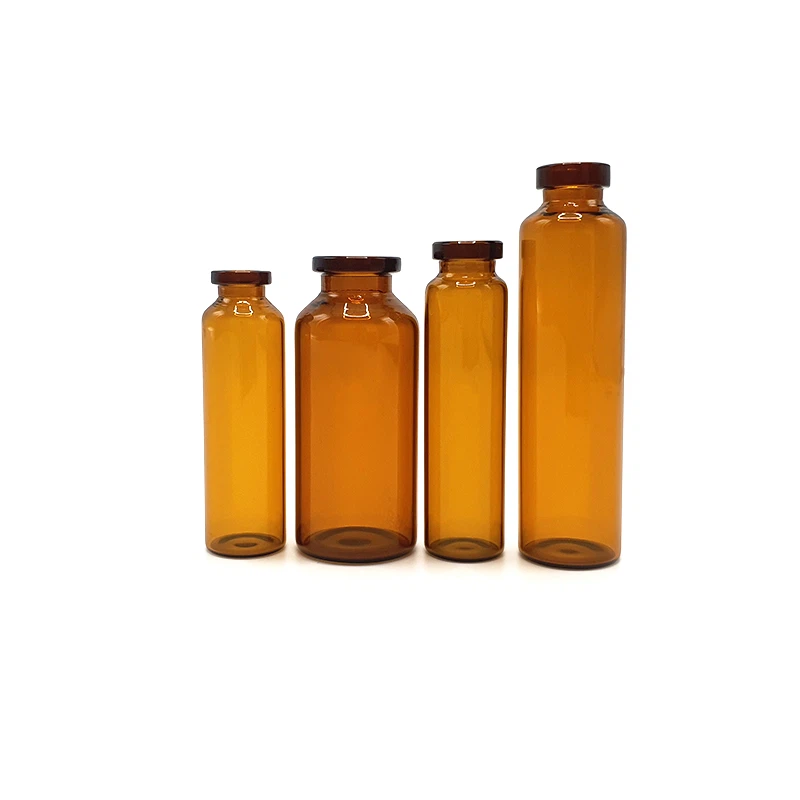
Biological laboratories rely on mini bottles glass for storing biological samples, such as DNA, RNA, proteins, and cell cultures. The transparency of glass allows for easy visualization of the samples, and its sterilizability ensures the preservation of the biological integrity. Flip Cap Amber Bottles are often used to protect light - sensitive biological samples from degradation caused by exposure to light.

Conclusion
In conclusion, mini bottles glass are generally highly suitable for laboratory use, thanks to their chemical resistance, transparency, sterilizability, and durability. However, factors such as cost, fragility, and compatibility with certain substances need to be carefully considered. Depending on the specific requirements of the laboratory, glass mini bottles can offer a reliable and cost - effective solution for storing and handling a wide range of substances.
If you are in the market for high - quality mini bottles glass for your laboratory, we would be delighted to discuss your needs. Our company offers a wide range of glass mini bottles, including Pharmacy Medicine Bottles, Flip Cap Amber Bottles, and Glass Vial, all of which are manufactured to the highest standards. Please feel free to contact us to start a procurement discussion and find the best solution for your laboratory.
References
- “Handbook of Laboratory Glassware and Equipment.” Elsevier, 2018.
- “Pharmaceutical Packaging Technology.” Wiley, 2020.
- “Biological Sample Storage and Handling Guidelines.” National Institutes of Health, 2019.