

Hey there! I'm a supplier of rubber stoppers, and I've been in this business for quite some time. One of the most common questions I get from my customers is how rubber stoppers react to different solvents. It's a crucial topic, especially for those who use rubber stoppers in various industries like pharmaceuticals, chemicals, and laboratories. So, let's dive right in and explore this subject.
First off, it's important to understand that not all rubber stoppers are created equal. There are different types of rubber materials used to make these stoppers, and each has its own unique properties when it comes to solvent resistance. The most common types of rubber used for stoppers include natural rubber, butyl rubber, silicone rubber, and neoprene rubber.
Let's start with natural rubber. It's a popular choice due to its excellent elasticity and sealing properties. However, natural rubber is not very resistant to many solvents. For example, it can swell and lose its integrity when exposed to organic solvents like benzene, toluene, and gasoline. These solvents can penetrate the rubber's molecular structure, causing it to expand and eventually break down. So, if you're dealing with these types of solvents, natural rubber stoppers might not be the best option.
On the other hand, butyl rubber is known for its outstanding chemical resistance. It has a low permeability to gases and is highly resistant to a wide range of solvents, including many organic solvents and acids. This makes it a great choice for applications where the rubber stopper will come into contact with harsh chemicals. For instance, in the pharmaceutical industry, Rubber Stopper for Injection often use butyl rubber because it can withstand the solvents used in drug formulations without leaching any harmful substances into the medication.
Silicone rubber is another versatile material. It has good heat resistance and is relatively resistant to many solvents. It can handle polar solvents like ethanol and water-based solutions quite well. However, it may not be as resistant to non-polar solvents as butyl rubber. Silicone rubber is often used in applications where high-temperature resistance and flexibility are required, such as in some laboratory equipment.

Neoprene rubber is resistant to oil, grease, and some solvents. It's a durable material that can withstand moderate chemical exposure. It's commonly used in industrial applications where the rubber stopper needs to be resistant to oils and certain chemicals. For example, in automotive and machinery industries, neoprene rubber stoppers can be found in various parts where they come into contact with lubricants and other fluids.
Now, let's talk about how to test the compatibility of rubber stoppers with different solvents. One way is to conduct a simple immersion test. You can take a small sample of the rubber stopper and immerse it in the solvent for a certain period of time. Observe any changes in the rubber's appearance, such as swelling, discoloration, or softening. You can also measure the weight and dimensions of the rubber sample before and after the immersion to quantify any changes.
It's also important to consider the temperature and duration of the solvent exposure. Higher temperatures can accelerate the chemical reactions between the rubber and the solvent, leading to more rapid degradation. And longer exposure times can also increase the likelihood of damage to the rubber stopper.
In addition to the type of rubber and the solvent, the surface finish of the rubber stopper can also affect its reaction to solvents. A smooth surface finish can reduce the surface area available for the solvent to interact with the rubber, potentially improving its resistance. On the other hand, a rough surface finish may allow the solvent to penetrate more easily, increasing the risk of damage.
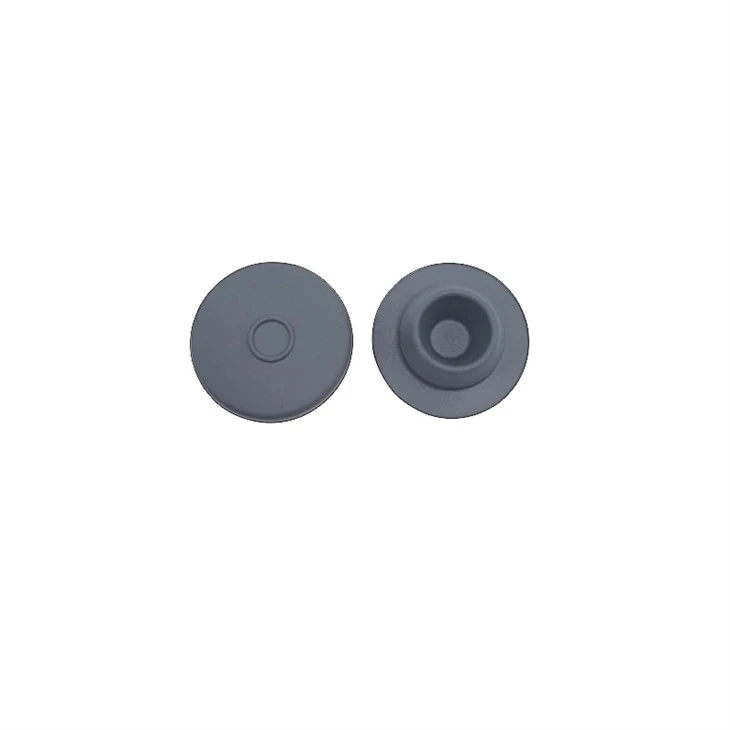
If you're in the market for rubber stoppers, you might be interested in our Gray Rubber Stopper. It's made from high-quality rubber material and is designed to provide a reliable seal. We also offer Rubber Stopper 32mm, which is a popular size for many applications.
In conclusion, understanding how rubber stoppers react to different solvents is crucial for choosing the right rubber stopper for your specific application. By considering the type of rubber, the solvent, the temperature, and the duration of exposure, you can ensure that your rubber stoppers will perform well and provide a long-lasting seal.
If you have any questions or need more information about our rubber stoppers, or if you're interested in purchasing them for your business, don't hesitate to reach out. We're here to help you find the perfect rubber stopper solution for your needs.
References
- "Handbook of Rubber Technology" by Maurice Morton
- "Rubber Compounding: Principles, Materials, and Processes" by J. S. Dick
- Various industry research papers on rubber-solvent compatibility