

When it comes to purchasing aluminum caps, ensuring their quality is of utmost importance. As a seasoned supplier of aluminum caps, I understand the concerns that buyers have and the factors that contribute to high - quality products. In this blog, I will share some key strategies to ensure the quality of aluminum caps during the purchasing process.
1. Understand Your Requirements
Before you start the purchasing process, it is essential to have a clear understanding of your specific requirements. Consider the following aspects:
Application
The application of the aluminum caps determines many of their characteristics. For example, if you are using them for food and beverage packaging, they need to meet strict hygiene and safety standards. The caps should be resistant to corrosion and should not leach any harmful substances into the contents. On the other hand, Medicinal Aluminum Cap used in the pharmaceutical industry must adhere to even more rigorous regulations. They need to provide a hermetic seal to protect the medicine from contamination and maintain its efficacy.
Size and Dimensions
Accurate size and dimensions are crucial for a proper fit. Measure the opening of the container where the cap will be used precisely. Even a small deviation in size can lead to leakage or difficulty in opening and closing the cap. Check the inner diameter, outer diameter, and height of the cap to ensure they match your container's specifications.
Design and Style
The design and style of the aluminum cap can also affect its quality and functionality. Aluminium Flip Off Cap are popular for their convenience, allowing for easy opening without the need for additional tools. However, the hinge mechanism needs to be sturdy to ensure it doesn't break easily. Other styles, such as screw - on caps, require a proper thread design to ensure a tight seal.
2. Evaluate the Supplier
The reputation and reliability of the supplier play a significant role in ensuring the quality of aluminum caps.
Experience and Expertise
Look for a supplier with extensive experience in manufacturing aluminum caps. An experienced supplier is more likely to have a well - established production process and quality control system. They will be familiar with different types of caps and the specific requirements of various industries. Check how long the supplier has been in business and their track record in delivering high - quality products.
Certifications and Compliance
Reputable suppliers should have relevant certifications, such as ISO 9001 for quality management systems. This certification indicates that the supplier has a systematic approach to quality control and continuous improvement. In addition, if your caps are for food, beverage, or pharmaceutical applications, the supplier should comply with industry - specific regulations, such as FDA (Food and Drug Administration) requirements in the United States or EU food safety regulations in Europe.
Production Facilities
Visit the supplier's production facilities if possible. A modern and well - maintained facility is a good sign of a supplier's commitment to quality. Look for advanced manufacturing equipment, clean production environments, and proper storage facilities. The production process should be organized and efficient, with clear quality control checkpoints at each stage.
3. Material Quality
The quality of the aluminum used in the caps is a fundamental factor in determining the overall quality of the product.
Aluminum Grade
Different grades of aluminum have different properties. For example, 3003 aluminum alloy is commonly used for aluminum caps due to its good corrosion resistance, formability, and strength. Higher - grade aluminum may offer better performance, but it also comes at a higher cost. Discuss with the supplier to determine the most suitable aluminum grade for your application.
Surface Finish
The surface finish of the aluminum cap affects its appearance and durability. A smooth and uniform surface finish not only looks more appealing but also reduces the risk of scratches and corrosion. Check for any signs of unevenness, pits, or discoloration on the surface of the sample caps. The supplier should be able to provide a consistent surface finish across all the caps in a batch.
Coating and Lining
Some aluminum caps may have a coating or lining to enhance their performance. For example, a food - grade lining can prevent the aluminum from coming into direct contact with the contents, reducing the risk of chemical reactions. The coating or lining should be applied evenly and should adhere well to the aluminum surface. Test the adhesion of the coating by performing simple scratch or peel tests on sample caps.
4. Quality Control During Production
A reliable supplier should have a comprehensive quality control system in place during the production process.
In - process Inspections
The supplier should conduct regular in - process inspections at various stages of production. This includes checking the raw materials, monitoring the forming process, and inspecting the semi - finished and finished products. For example, during the stamping process, the dimensions and shape of the caps should be checked to ensure they meet the specifications. Any defective products should be identified and removed from the production line immediately.
Final Inspection
Before the caps are shipped, a final inspection should be carried out. This inspection should cover all aspects of the product, including the appearance, dimensions, functionality, and performance. Randomly select a sample from the batch and conduct a thorough inspection. Check for any visible defects, such as cracks, dents, or misaligned parts. Test the caps for their sealing performance by filling them with a liquid and checking for leakage.
Testing and Certification
In addition to visual inspections, the supplier should conduct various tests on the aluminum caps. These tests may include hardness tests, corrosion resistance tests, and sealing strength tests. The results of these tests should be available to you upon request. Certifications from independent testing laboratories can also provide additional assurance of the product's quality.
5. Sample Evaluation
Request samples from the supplier before placing a large order. This allows you to evaluate the quality of the aluminum caps firsthand.
Physical Inspection
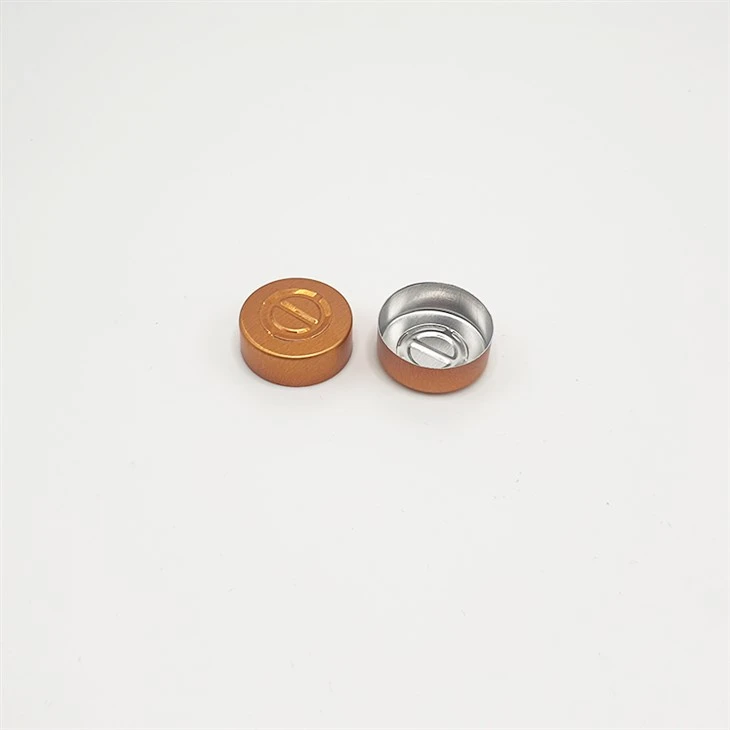
Examine the sample caps carefully. Check the overall appearance, feel the texture, and look for any visible defects. Pay attention to the details, such as the edges of the cap, the smoothness of the surface, and the quality of the printing or labeling (if applicable).
Functionality Testing
Test the functionality of the sample caps. If it is a screw - on cap, check how easily it can be screwed on and off and whether it provides a tight seal. For flip - off caps, test the hinge mechanism to ensure it opens and closes smoothly. If the caps are for a specific application, such as sealing a liquid container, conduct a leakage test to ensure they perform as expected.

Compatibility Testing
Verify the compatibility of the sample caps with your containers. Make sure they fit properly and that there are no issues with alignment or sealing. If possible, test the caps on a small batch of your actual containers to ensure a perfect match.
6. After - sales Service
Good after - sales service is an important aspect of ensuring the quality of your purchase.
Warranty and Return Policy
A reliable supplier should offer a reasonable warranty period for their aluminum caps. This gives you peace of mind knowing that if there are any quality issues within the warranty period, the supplier will take responsibility. In addition, a clear return policy should be in place in case you receive defective products.
Technical Support
If you have any questions or issues regarding the use or installation of the aluminum caps, the supplier should be able to provide technical support. They should have a team of experts who can offer advice on topics such as cap selection, compatibility, and maintenance.
Feedback and Improvement
A good supplier values customer feedback and uses it to improve their products and services. Share your experience with the sample caps and any suggestions for improvement with the supplier. A responsive supplier will take your feedback seriously and make the necessary adjustments to ensure better quality in future orders.
In conclusion, ensuring the quality of aluminum caps when purchasing requires a comprehensive approach. By understanding your requirements, evaluating the supplier, checking the material quality, monitoring the production process, evaluating samples, and considering the after - sales service, you can make an informed decision and purchase high - quality aluminum caps. If you are interested in purchasing aluminum caps and have any questions or need further information, feel free to contact us for a detailed discussion and to start a successful purchasing partnership.
References
- ASTM International. (Year). Standards related to aluminum materials and products.
- ISO 9001:2015. Quality management systems — Requirements.
- FDA. (Year). Regulations on food and pharmaceutical packaging materials.