

Can rubber stoppers be used in electrical applications?
As a well - established rubber stopper supplier, I've encountered numerous inquiries from clients across various industries. One question that often surfaces is whether rubber stoppers can be used in electrical applications. In this blog, I'll delve into this topic, exploring the suitability, advantages, and limitations of using rubber stoppers in the electrical field.
Suitability of Rubber Stoppers in Electrical Applications
Rubber stoppers possess several properties that make them potentially suitable for electrical applications. First and foremost, rubber is an excellent insulator. Electrical insulators are materials that do not allow the free flow of electric current. In electrical systems, insulation is crucial to prevent short - circuits, protect against electrical shocks, and ensure the safe and efficient operation of equipment.
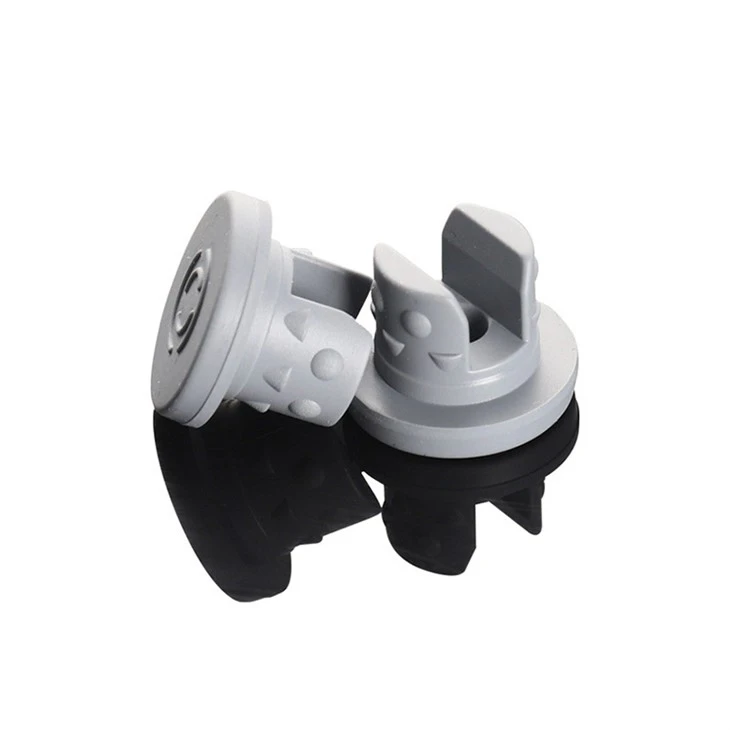
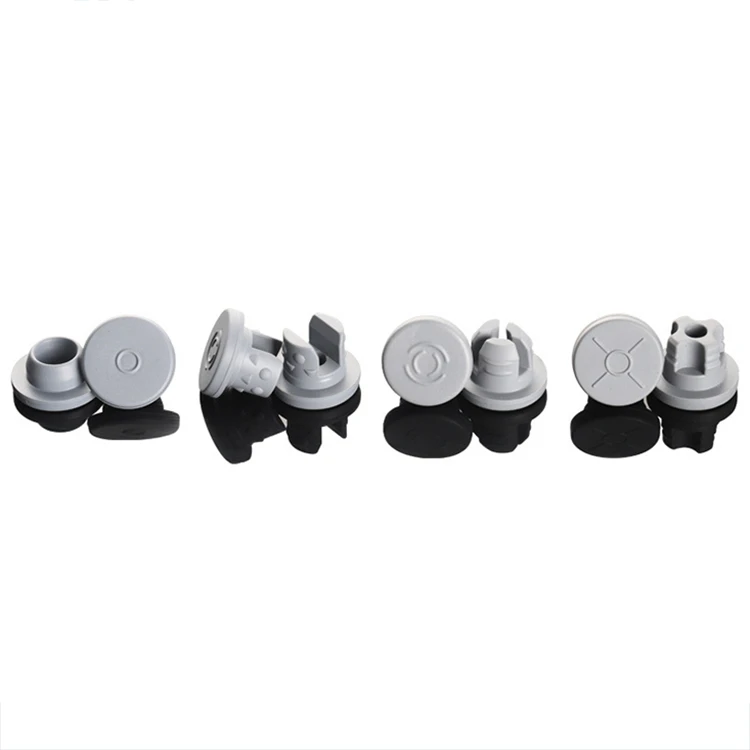
Most high - quality rubber compounds have high dielectric strength, which is a measure of an insulator's ability to withstand electric stress without breaking down. This means that rubber stoppers can effectively isolate electrical components from one another and from the external environment in many electrical setups.
Another important aspect is the flexibility of rubber. Electrical systems often have components with irregular shapes or require sealing in tight spaces. Rubber stoppers can be easily molded into different shapes and sizes to fit specific requirements. They can adapt to the contours of electrical enclosures, connectors, or other parts, providing a reliable seal that keeps out dust, moisture, and other contaminants. Moisture and dust can cause corrosion, short - circuits, and other electrical problems, so a good seal is essential for the long - term performance of electrical equipment.
Advantages of Using Rubber Stoppers in Electrical Applications
- Sealing Performance: Rubber stoppers can create a tight seal around electrical components. For example, in electrical junction boxes, rubber stoppers can prevent water and dirt from entering, protecting the wiring inside. This is especially important in outdoor or harsh - environment electrical installations, such as streetlights, solar panels, or industrial machinery exposed to dust and moisture.
- Vibration and Shock Absorption: Electrical equipment can be subject to vibrations and shocks during operation or transportation. Rubber stoppers can act as shock absorbers, reducing the impact on sensitive electrical components. This helps to prevent damage to the components and extends their lifespan. For instance, in automotive electrical systems, rubber stoppers can be used to isolate sensors and other electronic parts from the vibrations of the engine and the vehicle's movement.
- Chemical Resistance: Many rubber compounds are resistant to a wide range of chemicals. In electrical applications, this can be beneficial when the equipment is exposed to cleaning agents, lubricants, or other chemicals. For example, in a manufacturing plant where electrical control panels are used, rubber stoppers can protect the internal components from chemical spills or fumes.
Limitations and Considerations
- Temperature Resistance: While rubber can withstand a certain range of temperatures, extreme heat or cold can affect its properties. High temperatures can cause rubber to soften, lose its elasticity, and even degrade over time. On the other hand, low temperatures can make rubber brittle and prone to cracking. Therefore, it's crucial to select a rubber compound with appropriate temperature resistance for the specific electrical application. For example, in high - temperature electrical environments like power transformers, special high - temperature - resistant rubber stoppers may be required.
- Electrical Conductivity Variations: Although rubber is generally an insulator, some types of rubber may have slightly different electrical conductivity characteristics depending on their composition and additives. It's important to ensure that the rubber stoppers used in electrical applications have consistent and predictable insulating properties. Any unexpected conductivity can pose a safety risk or affect the performance of the electrical system.
- Aging and Degradation: Rubber can age over time due to factors such as exposure to sunlight, oxygen, and ozone. This aging process can cause the rubber to harden, crack, or lose its sealing properties. In electrical applications, this can lead to a loss of protection for the components. Regular inspection and replacement of rubber stoppers may be necessary to maintain the integrity of the electrical system.
Specific Electrical Applications of Rubber Stoppers
- Battery Sealing: In batteries, rubber stoppers are used to seal the electrolyte compartments. They prevent the leakage of electrolyte, which is often a corrosive and hazardous substance. The rubber stoppers also help to maintain the internal pressure of the battery and protect the terminals from external contaminants. For example, in lead - acid batteries used in vehicles and backup power systems, rubber stoppers play a vital role in ensuring the safe and efficient operation of the battery.
- Electrical Connectors: Rubber stoppers can be used in electrical connectors to provide a waterproof and dust - proof seal. They help to maintain the integrity of the electrical connection by preventing moisture and dirt from entering the connector. This is particularly important in applications where the connectors are exposed to the elements, such as in marine or outdoor lighting systems.
- Enclosure Sealing: Electrical enclosures, such as control panels and switchgear, are used to house electrical components. Rubber stoppers are used to seal the openings in these enclosures, protecting the components from environmental factors. They can also help to reduce electromagnetic interference (EMI) by providing a better seal and preventing the leakage of electromagnetic radiation.
Our Range of Rubber Stoppers for Electrical Applications
As a leading rubber stopper supplier, we offer a wide range of rubber stoppers suitable for various electrical applications. Our Pharmacutical Rubber Stopper range is made from high - quality rubber compounds that meet strict quality standards. These stoppers can be customized in terms of size, shape, and hardness to fit different electrical requirements.
Our Rubber Stoppers Plug is designed to provide a reliable seal for electrical holes and openings. They are available in different materials, such as natural rubber, silicone rubber, and neoprene, each with its own unique properties and advantages.
For applications where small - scale sealing is required, our Vial Rubber Stopper can be a great choice. These stoppers are precision - molded to ensure a tight fit and excellent sealing performance.
Conclusion
In conclusion, rubber stoppers can indeed be used in electrical applications, offering many advantages such as insulation, sealing, vibration absorption, and chemical resistance. However, it's important to consider the limitations and specific requirements of each application to select the right rubber compound and ensure the long - term performance of the electrical system.
If you're in need of high - quality rubber stoppers for your electrical applications, don't hesitate to contact us. Our team of experts can provide you with detailed information, technical support, and customized solutions to meet your specific needs. Let's work together to ensure the safety and efficiency of your electrical systems.
References
- "Handbook of Rubber Technology" by A. Y. Coran.
- "Electrical Insulation Materials and Systems" by M. S. Simões and P. M. Ferreira.
- Industry standards and guidelines related to electrical insulation and rubber materials.