

When it comes to the storage of various substances, especially in industries such as pharmaceuticals, cosmetics, and essential oils, the choice of container is crucial. Among the numerous options available, 2ml glass bottles have gained significant popularity due to their small size, transparency, and ability to preserve the integrity of the contents. However, one question that often arises is whether these 2ml glass bottles have a stable base. As a supplier of 2ml glass bottles, I'd like to delve into this topic and provide you with a comprehensive analysis.
Understanding the Importance of a Stable Base
A stable base is essential for any container, regardless of its size. For 2ml glass bottles, a stable base ensures that the bottle remains upright during storage, transportation, and use. This is particularly important when the bottle contains valuable or sensitive substances, as an unstable base could lead to spills, breakage, or contamination.
In the pharmaceutical industry, for example, a spill or breakage of a 2ml glass bottle containing a potent medication could have serious consequences. It could result in the loss of the medication, pose a risk to the environment, and even endanger the health of those handling the bottle. Similarly, in the cosmetics and essential oil industries, a spill could damage the product and the packaging, leading to customer dissatisfaction.
Factors Affecting the Stability of 2ml Glass Bottles
Several factors can influence the stability of 2ml glass bottles. These include the shape of the bottle, the thickness of the base, and the material used in the manufacturing process.
Shape of the Bottle
The shape of the bottle plays a significant role in its stability. Bottles with a wider base tend to be more stable than those with a narrow base. This is because a wider base provides a larger surface area for the bottle to rest on, reducing the risk of tipping over. Additionally, bottles with a rounded or tapered shape may be more prone to tipping than those with a straight, cylindrical shape.
Thickness of the Base
The thickness of the base also affects the stability of the bottle. A thicker base provides more support and weight distribution, making the bottle less likely to tip over. However, it's important to note that a thicker base may also increase the overall weight of the bottle, which could be a concern for some applications.
Material Used in Manufacturing
The material used in the manufacturing process can also impact the stability of the bottle. High-quality glass is more likely to provide a stable base than lower-quality glass. This is because high-quality glass is less likely to have defects or irregularities that could affect the bottle's balance.
Testing the Stability of 2ml Glass Bottles
At our company, we conduct rigorous testing to ensure that our 2ml glass bottles have a stable base. We use a variety of methods, including visual inspections, weight distribution tests, and stability tests on different surfaces.
During visual inspections, we carefully examine each bottle for any signs of defects or irregularities in the base. We look for cracks, chips, or uneven surfaces that could affect the bottle's stability. Any bottles that do not meet our quality standards are rejected.
Weight distribution tests are also performed to ensure that the weight of the bottle is evenly distributed. We use specialized equipment to measure the weight of the bottle at different points and ensure that the base provides sufficient support.
Finally, we conduct stability tests on different surfaces to simulate real-world conditions. We place the bottles on various surfaces, including flat, inclined, and uneven surfaces, and observe their behavior. This helps us to determine the bottle's stability under different circumstances and ensure that it can withstand normal handling and use.
Comparing 2ml Glass Bottles with Other Sizes
When considering the stability of 2ml glass bottles, it's also helpful to compare them with other sizes of glass bottles. For example, 10ml Amber Glass Bottle and 10ml Glass Bottle are larger in size and may have different stability characteristics.
Generally, larger bottles tend to have a more stable base due to their increased size and weight. However, this does not mean that 2ml glass bottles are inherently unstable. With proper design and manufacturing, 2ml glass bottles can provide a stable base for storing a variety of substances.
Applications of 2ml Glass Bottles
2ml glass bottles are commonly used in a variety of industries, including pharmaceuticals, cosmetics, and essential oils. In the pharmaceutical industry, they are often used to store small doses of medications, such as vaccines, insulin, and other injectable drugs. Their small size makes them convenient for travel and storage, while their glass construction helps to preserve the integrity of the medication.
In the cosmetics industry, 2ml glass bottles are used to store small amounts of high-end products, such as serums, perfumes, and essential oils. Their transparency allows customers to see the product inside, while their small size makes them ideal for sampling or travel.
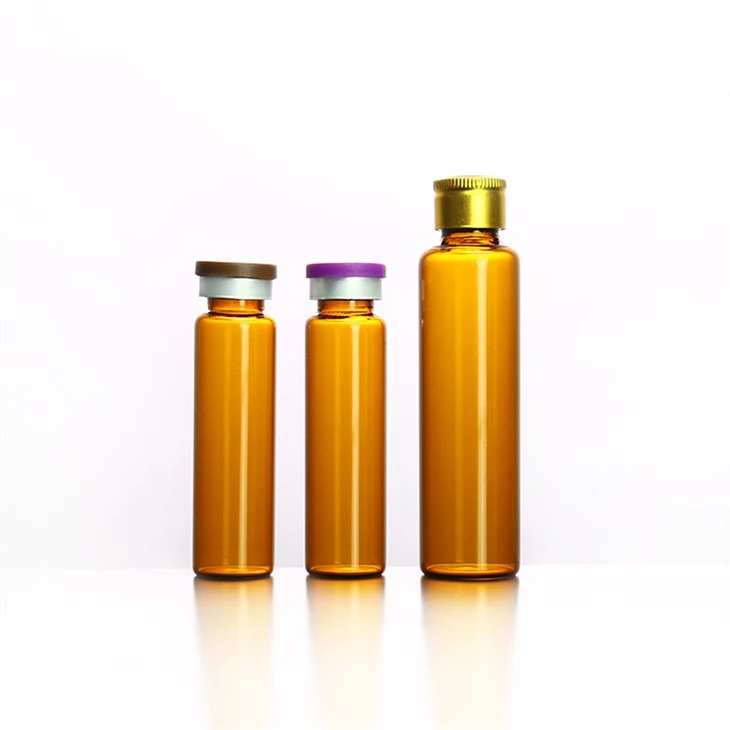
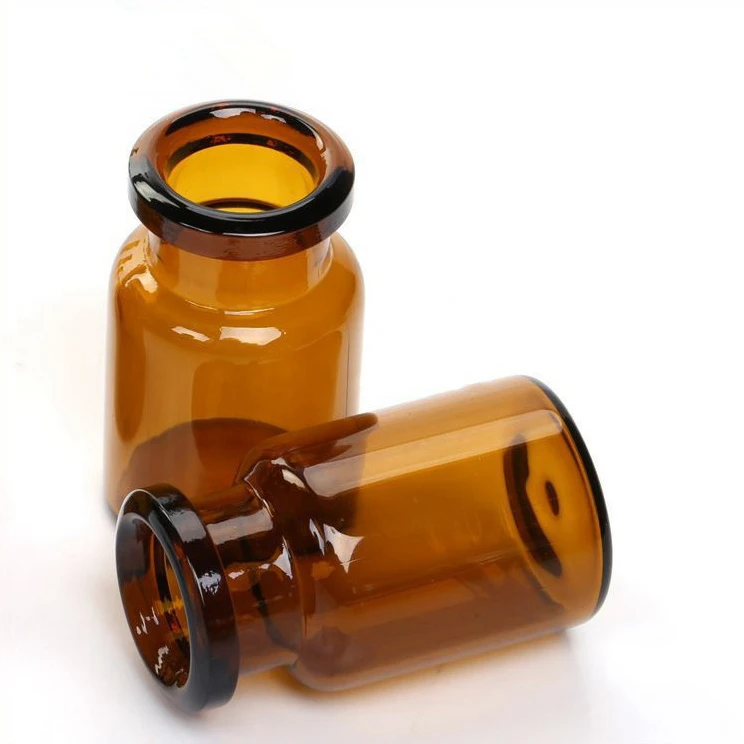
In the essential oil industry, 2ml glass bottles are a popular choice for storing and dispensing essential oils. Their small size makes them easy to handle and use, while their glass construction helps to preserve the purity and potency of the oils.
Conclusion
In conclusion, 2ml glass bottles can have a stable base when they are designed and manufactured with care. By considering factors such as the shape of the bottle, the thickness of the base, and the material used in the manufacturing process, we can ensure that our 2ml glass bottles provide a stable and reliable solution for storing a variety of substances.
If you are in the market for high-quality 2ml glass bottles or other types of glass containers, such as Medical Vial, please don't hesitate to contact us. We are a leading supplier of glass bottles and can provide you with the products and services you need. Whether you are looking for a specific size, shape, or style of bottle, we can work with you to find the perfect solution for your needs.
References
- ASTM International. (20XX). Standard Test Methods for Glass Containers.
- European Pharmacopoeia. (20XX). General Chapter on Glass Containers for Pharmaceutical Use.
- International Organization for Standardization (ISO). (20XX). ISO Standards for Glass Packaging.