

As a supplier of rubber vial stoppers, I often receive inquiries from customers about the compatibility of our products with essential oils. This is a crucial question, as the wrong choice of stopper can lead to issues such as leakage, contamination, and degradation of the essential oils. In this blog post, I will delve into the topic of whether rubber vial stoppers can be used in vials for essential oils, exploring the factors to consider and providing insights based on scientific knowledge and industry experience.
Understanding Essential Oils
Essential oils are highly concentrated plant extracts that contain volatile organic compounds (VOCs). These VOCs are responsible for the characteristic aroma and therapeutic properties of the essential oils. However, they also make essential oils prone to evaporation, oxidation, and chemical reactions. Therefore, proper storage is essential to maintain the quality and efficacy of essential oils.
Properties of Rubber Vial Stoppers
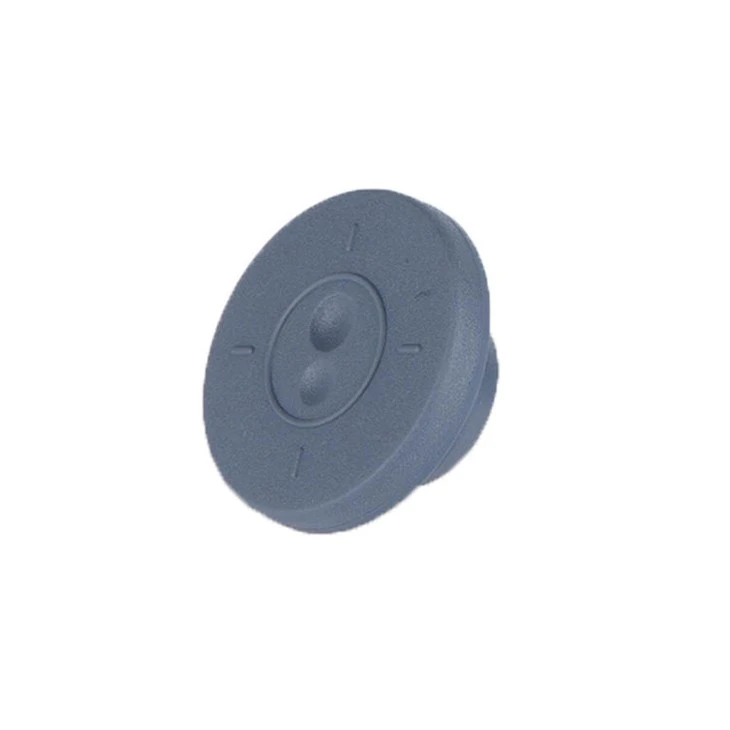
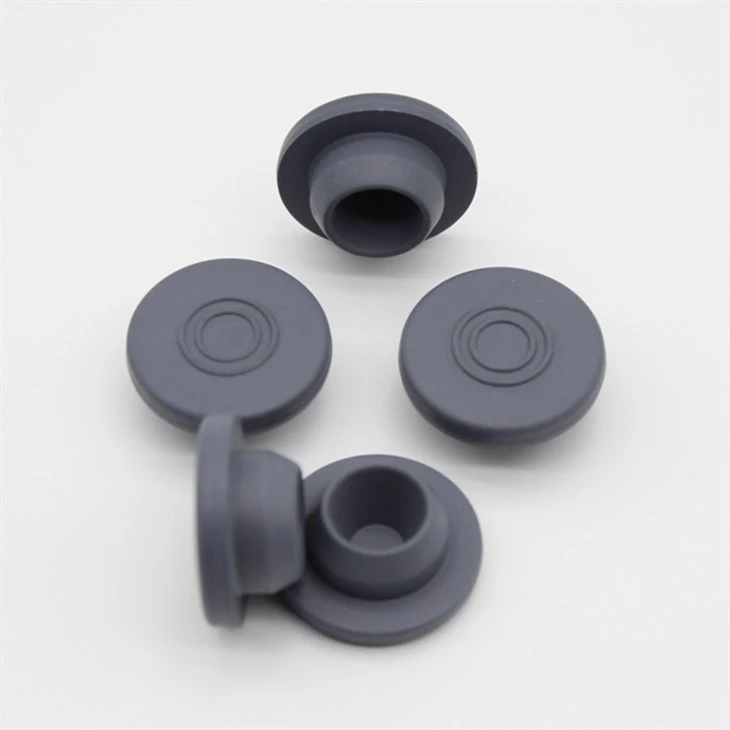
Rubber vial stoppers are commonly used in the pharmaceutical, cosmetic, and food industries due to their excellent sealing properties, flexibility, and chemical resistance. They are typically made from natural rubber, synthetic rubber, or a combination of both. The choice of rubber material depends on the specific application and the requirements of the product being stored.
Advantages of Rubber Vial Stoppers
- Sealing Performance: Rubber vial stoppers provide a tight seal, preventing the leakage of essential oils and the entry of air, moisture, and contaminants. This helps to maintain the integrity and stability of the essential oils over time.
- Flexibility: Rubber stoppers are flexible, allowing them to conform to the shape of the vial opening and create a secure fit. This ensures a reliable seal, even in vials with irregular or non - standard openings.
- Chemical Resistance: Some rubber materials have good chemical resistance, which means they can withstand the chemical properties of essential oils without reacting or degrading. This helps to prevent the contamination of the essential oils and maintain their quality.
Disadvantages of Rubber Vial Stoppers
- Absorption: Rubber stoppers may absorb some of the essential oils over time, which can lead to a loss of aroma and potency. This is especially true for porous rubber materials or essential oils with high solubility.
- Compatibility Issues: Certain essential oils may react with the rubber material, causing it to swell, harden, or degrade. This can affect the sealing performance of the stopper and lead to leakage or contamination of the essential oils.
Factors to Consider When Using Rubber Vial Stoppers with Essential Oils
Chemical Compatibility
The first and most important factor to consider is the chemical compatibility between the rubber material and the essential oils. Different essential oils have different chemical compositions, and some may be more reactive than others. For example, essential oils containing high levels of phenols, aldehydes, or alcohols may be more likely to react with rubber stoppers.
Before using a rubber vial stopper with an essential oil, it is recommended to conduct a compatibility test. This can be done by placing a small amount of the essential oil in contact with the rubber stopper for a period of time and observing any changes in the appearance or properties of the rubber. If there are signs of swelling, discoloration, or degradation, the rubber stopper may not be suitable for use with that particular essential oil.
Rubber Material
The choice of rubber material is crucial when using rubber vial stoppers with essential oils. Some rubber materials are more resistant to chemical attack than others. For example, silicone rubber is known for its excellent chemical resistance and low absorption properties, making it a good choice for storing essential oils. Other synthetic rubbers, such as butyl rubber and fluorocarbon rubber, also have good chemical resistance and can be used in certain applications.
Natural rubber, on the other hand, may be more prone to absorption and chemical reactions with essential oils. However, it can still be used if the essential oils are not highly reactive and the rubber is properly treated or coated to improve its chemical resistance.
Vial Design
The design of the vial can also affect the performance of the rubber stopper. Vials with a smooth, uniform opening are more likely to provide a good seal with a rubber stopper than vials with rough or irregular edges. Additionally, the size and shape of the vial opening should be compatible with the size and shape of the rubber stopper to ensure a proper fit.
Storage Conditions
The storage conditions of the essential oils can also impact the performance of the rubber vial stoppers. Essential oils should be stored in a cool, dark place away from direct sunlight and heat to minimize evaporation and oxidation. High temperatures and humidity can accelerate the chemical reactions between the essential oils and the rubber stopper, leading to degradation and reduced sealing performance.
Our Product Offerings
As a supplier of rubber vial stoppers, we offer a wide range of products to meet the diverse needs of our customers. Our rubber stoppers are made from high - quality materials and are designed to provide excellent sealing performance and chemical resistance.
- Rubber Stopper 32mm: This stopper is suitable for vials of various sizes and is available in different rubber materials. It provides a tight seal and is resistant to a wide range of chemicals, making it a good choice for storing essential oils.
- 32mm Rubber Stopper for Infusion Bottle: This stopper is specifically designed for infusion bottles and has excellent sealing properties. It is made from a high - quality rubber material that is resistant to the chemical properties of essential oils.
- Gray Rubber Stopper: Our gray rubber stopper is made from a synthetic rubber material that offers good chemical resistance and low absorption. It is suitable for use with a variety of essential oils and can help to maintain the quality and integrity of the oils over time.
Conclusion
In conclusion, rubber vial stoppers can be used in vials for essential oils, but it is important to consider the chemical compatibility, rubber material, vial design, and storage conditions. By choosing the right rubber stopper and following the proper storage guidelines, you can ensure the safe and effective storage of essential oils.
If you are interested in purchasing rubber vial stoppers for your essential oil products, please feel free to contact us for more information. We are happy to assist you in selecting the most suitable product for your needs and providing you with high - quality rubber stoppers at competitive prices.
References
- "Essential Oil Storage: Best Practices and Considerations." Journal of Aromatherapy Science, Vol. 15, Issue 2, pp. 45 - 52.
- "Chemical Compatibility of Rubber Materials with Essential Oils." Rubber Chemistry and Technology, Vol. 80, Issue 3, pp. 210 - 225.
- "Sealing Performance of Rubber Stoppers in Pharmaceutical and Cosmetic Packaging." Packaging Technology and Science, Vol. 28, Issue 4, pp. 189 - 201.