

Can penicillin bottles be recycled?
As a supplier of penicillin bottles, I've often been asked about the recyclability of these small but crucial containers. Penicillin bottles, also known as small glass vials used for storing medications, have a significant place in the pharmaceutical industry. In this blog, I'll delve into the question of whether penicillin bottles can be recycled, exploring the process, challenges, and environmental implications.
The Composition of Penicillin Bottles
Penicillin bottles are typically made of glass, which is a highly recyclable material. Glass is composed mainly of silica sand, soda ash, and limestone, and it can be melted down and reformed an infinite number of times without losing its quality. The glass used in penicillin bottles is often borosilicate glass, which is known for its high resistance to thermal shock and chemical corrosion. This type of glass is ideal for storing pharmaceutical products as it can maintain the integrity of the medication over time.
The Recycling Process
The recycling of penicillin bottles follows a similar process to that of other glass products. First, the used bottles are collected from various sources, such as hospitals, pharmacies, and pharmaceutical manufacturing facilities. These bottles are then sorted based on their color and type of glass. Sorting is crucial as different types of glass have different melting points and chemical compositions, and mixing them can affect the quality of the recycled glass.
After sorting, the bottles are washed to remove any labels, adhesives, and residual medications. This step is essential to ensure that the recycled glass is free from contaminants. The washed bottles are then crushed into small pieces, known as cullet. Cullet is melted in a furnace at high temperatures, typically around 1400 - 1600 degrees Celsius. During the melting process, additional raw materials may be added to adjust the properties of the glass.
Once the glass is melted, it is shaped into new products. For penicillin bottles, the molten glass is blown or molded into the desired shape and size. The newly formed bottles are then annealed, a process of slowly cooling the glass to relieve internal stresses and increase its strength.
Challenges in Recycling Penicillin Bottles
Despite the recyclability of glass, there are several challenges in recycling penicillin bottles. One of the main challenges is the presence of residual medications. Penicillin bottles may contain small amounts of the drugs they once held, and these residues need to be removed before the bottles can be recycled. Removing the medications requires specialized cleaning processes, which can be costly and time - consuming.
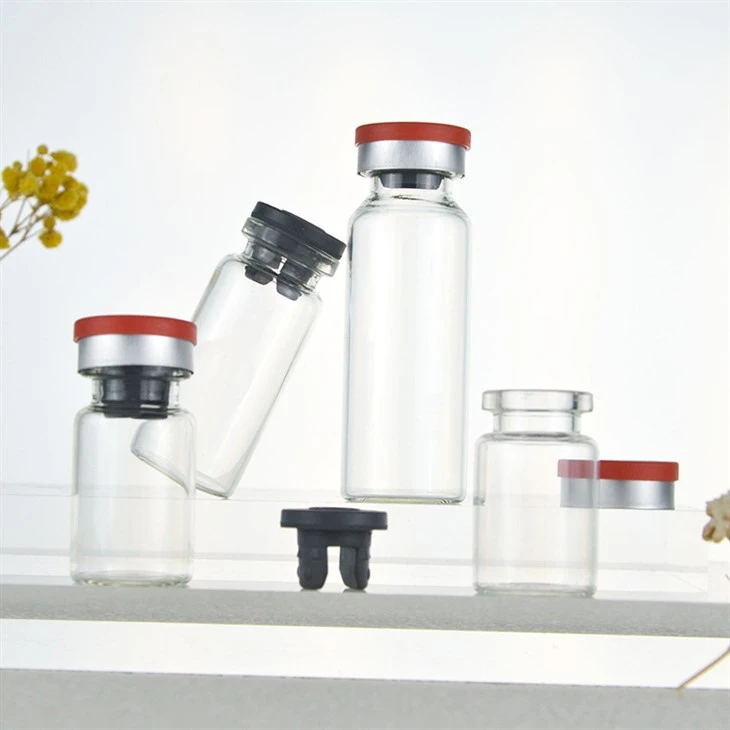

Another challenge is the small size and shape of penicillin bottles. Their small size makes them difficult to handle during the sorting and recycling process. Additionally, the narrow necks and small openings of the bottles can make it challenging to clean them thoroughly.
There is also a lack of awareness among consumers and healthcare providers about the recyclability of penicillin bottles. Many people simply dispose of these bottles in regular trash, which means they end up in landfills instead of being recycled.
Environmental Benefits of Recycling Penicillin Bottles
Recycling penicillin bottles has several environmental benefits. First, it reduces the demand for raw materials. Since glass is made from natural resources such as sand, soda ash, and limestone, recycling glass helps conserve these resources. Mining and processing these raw materials can have a significant environmental impact, including habitat destruction and water pollution.
Recycling also reduces energy consumption. Melting cullet requires less energy than melting raw materials to make new glass. According to the Glass Packaging Institute, recycling glass can save up to 30% of the energy required to produce new glass from scratch.
In addition, recycling penicillin bottles helps reduce waste sent to landfills. Glass takes a long time to decompose in landfills, and by recycling it, we can free up valuable landfill space and reduce the environmental impact associated with waste disposal.
Our Role as a Penicillin Bottle Supplier
As a supplier of penicillin bottles, we have a responsibility to promote the recycling of these containers. We are committed to educating our customers about the importance of recycling and providing them with information on how to properly dispose of used penicillin bottles.
We are also exploring ways to improve the design of our penicillin bottles to make them more recyclable. For example, we are looking into using labels and adhesives that are easier to remove during the recycling process. Additionally, we are working with recycling facilities to develop more efficient cleaning and recycling methods for penicillin bottles.
Related Products
If you are interested in our penicillin bottles or other related products, you can check out our Small Medicine Bottle, Glass Vial, and Medical Vial with Lid offerings. These products are made with high - quality glass and are designed to meet the strict requirements of the pharmaceutical industry.
Contact Us for Procurement
If you are in the market for penicillin bottles or any of our other glass packaging products, we invite you to contact us for procurement. We offer competitive prices, high - quality products, and excellent customer service. Whether you are a small pharmacy or a large pharmaceutical manufacturer, we can meet your needs.
References
- Glass Packaging Institute. "The Benefits of Recycling Glass."
- American Chemical Society. "Chemistry of Glass Recycling."
This blog provides a comprehensive look at the recyclability of penicillin bottles, from the composition of the bottles to the challenges and benefits of recycling. As a supplier, we are committed to promoting sustainable practices in the pharmaceutical packaging industry.