

Can gray rubber stoppers be reused? That's a question I get asked a lot as a supplier of Gray Rubber Stopper. And it's a valid one, especially when you're trying to cut costs and be more sustainable. So, let's dive into this topic and see if reusing gray rubber stoppers is a good idea.
What Are Gray Rubber Stoppers?
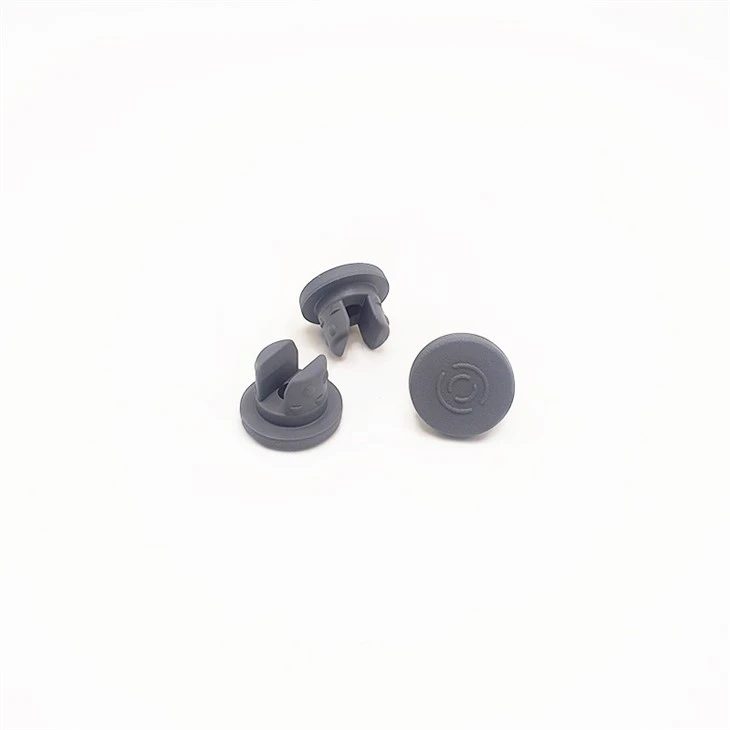
First things first, let's talk about what gray rubber stoppers are. Gray rubber stoppers are made from rubber materials, and they come in various sizes and shapes. They're commonly used in laboratories, pharmaceutical industries, and even in some household applications. The gray color usually indicates a specific type of rubber compound, which might have different properties compared to other colored stoppers.
One of the most popular types of rubber used for gray rubber stoppers is butyl rubber. Butyl Rubber Stopper is known for its excellent chemical resistance, low gas permeability, and good sealing properties. These features make gray rubber stoppers ideal for applications where you need to keep substances contained and protected from the outside environment.
Factors to Consider for Reuse
Now, let's get to the main question: Can they be reused? Well, it depends on several factors.
1. Contamination
The first thing you need to consider is contamination. If the rubber stopper has been in contact with chemicals, biological agents, or other contaminants, reusing it might not be a good idea. For example, in a laboratory setting, if a stopper was used to seal a container with a strong acid or a toxic substance, there's a high chance that some of the chemical has been absorbed into the rubber. Reusing such a stopper could lead to cross - contamination in subsequent applications.
On the other hand, if the stopper was only used in a clean environment, like sealing a container of distilled water, the risk of contamination is much lower. In this case, with proper cleaning, it might be possible to reuse the stopper.
2. Physical Damage
Physical damage is another important factor. Over time, rubber stoppers can wear out. They might get scratched, torn, or deformed. If a stopper has visible signs of damage, it won't be able to provide a proper seal. For instance, a Rubber Stopper 20mm that has a crack in it will allow air and moisture to enter the container, which could be a problem if you're trying to store something sensitive.
3. Chemical Compatibility
Even if the stopper is clean and undamaged, you need to consider the chemical compatibility of the new substance you're going to use it with. Different rubber compounds react differently to various chemicals. A stopper that was used with a non - reactive substance might not be suitable for a more aggressive chemical. For example, some solvents can swell or degrade rubber, so you need to make sure the rubber stopper can withstand the new chemical environment.
How to Reuse Gray Rubber Stoppers Safely
If you've determined that reusing a gray rubber stopper is feasible, here are some steps you can take to do it safely.

1. Cleaning
The first step is to clean the stopper thoroughly. You can start by rinsing it with a mild detergent and warm water. Make sure to remove any visible dirt or debris. After that, you can soak the stopper in a disinfectant solution, such as a diluted bleach solution or an alcohol - based cleaner. This will help kill any bacteria or other microorganisms that might be present on the surface.
2. Inspection
Once the stopper is clean, inspect it carefully for any signs of damage. Look for cracks, tears, or changes in shape. If you find any issues, it's best to discard the stopper and use a new one.
3. Testing
Before using the reused stopper in a critical application, it's a good idea to do a test. You can fill a container with a similar substance to the one you'll be using in the actual application and seal it with the reused stopper. Then, check for any signs of leakage or chemical reaction over a period of time.
Advantages and Disadvantages of Reusing
Advantages
- Cost - Savings: Reusing gray rubber stoppers can save you money, especially if you use a large number of them. Instead of buying new stoppers every time, you can extend the life of the ones you already have.
- Sustainability: It's also a more sustainable option. By reusing, you're reducing the amount of waste generated, which is good for the environment.
Disadvantages
- Risk of Contamination: As mentioned earlier, there's always a risk of contamination when reusing rubber stoppers. This can lead to inaccurate results in laboratory experiments or damage to products in industrial applications.
- Inconsistent Performance: Reused stoppers might not perform as consistently as new ones. Over time, the rubber can lose its elasticity and sealing properties, which could affect the quality of the seal.
When to Use New Stoppers
There are certain situations where it's better to use new gray rubber stoppers.
- Critical Applications: In applications where the slightest contamination or leakage can have serious consequences, such as in pharmaceutical manufacturing or high - precision laboratory experiments, it's always best to use new stoppers.
- Contact with Aggressive Chemicals: If the stopper will be in contact with aggressive chemicals, new stoppers are recommended. This ensures that the rubber can withstand the chemical environment and provide a reliable seal.
Conclusion
So, can gray rubber stoppers be reused? The answer is yes, but with caution. You need to carefully consider the factors of contamination, physical damage, and chemical compatibility. If you follow the proper cleaning, inspection, and testing procedures, you can safely reuse gray rubber stoppers in many cases.
If you're still unsure about whether to reuse or buy new stoppers, or if you're looking for high - quality gray rubber stoppers for your applications, feel free to reach out. We're here to help you make the right decision and provide you with the best products. Whether you need Gray Rubber Stopper, Butyl Rubber Stopper, or Rubber Stopper 20mm, we've got you covered. Let's start a conversation about your specific needs and see how we can assist you.
References
- ASTM International. (Year). Standard test methods for rubber properties.
- Chemical Rubber Company. (Year). Handbook of Chemistry and Physics.
- Laboratory Safety Manuals from various institutions.