

When it comes to the storage of milk, the choice of container is of crucial importance. As a reputable supplier of blue glass bottles, I often receive inquiries about whether a blue glass bottle can be used for storing milk. The answer is a resounding yes, and in this blog post, I will delve into the numerous benefits of using blue glass bottles for milk storage, backed by scientific evidence and practical experience.
Advantages of Blue Glass Bottles for Milk Storage
1. Protection from Light
Milk is highly sensitive to light, particularly ultraviolet (UV) light. Exposure to light can lead to the degradation of essential nutrients in milk, such as vitamin A, riboflavin (vitamin B2), and omega-3 fatty acids. It can also cause the development of an off-flavor known as "sunlight flavor" due to the breakdown of proteins and lipids.
Blue glass bottles offer excellent protection against light. The blue tint in the glass acts as a filter, absorbing a significant portion of UV light and preventing it from reaching the milk inside. This helps to preserve the nutritional value and flavor of the milk for a longer period compared to transparent or other types of containers.
2. Chemical Inertness
Glass, in general, is a chemically inert material. This means that it does not react with the contents it holds. Unlike some plastics or metal containers, blue glass bottles do not leach any harmful chemicals into the milk. This is especially important for milk, which is a food product that is consumed regularly.
The chemical inertness of blue glass ensures that the milk remains pure and untainted, maintaining its natural taste and quality. It also eliminates the risk of any chemical contamination that could potentially affect the health of consumers.
3. Durability and Reusability
Blue glass bottles are extremely durable and can withstand repeated use. They are resistant to scratches, dents, and breakage, making them a long-lasting option for milk storage. This durability not only reduces the need for frequent replacement but also contributes to environmental sustainability.
Moreover, blue glass bottles can be easily cleaned and sanitized, allowing them to be reused multiple times. Reusing glass bottles helps to reduce waste and the environmental impact associated with single-use packaging.
4. Aesthetic Appeal
In addition to their functional benefits, blue glass bottles also have a certain aesthetic appeal. The rich blue color gives them a unique and attractive look, which can enhance the presentation of milk products. This can be particularly beneficial for dairy producers who want to differentiate their products in the market and attract consumers.
Considerations for Using Blue Glass Bottles for Milk Storage
While blue glass bottles offer many advantages for milk storage, there are a few considerations to keep in mind:
1. Temperature Control
Milk is a perishable product that requires proper temperature control to prevent spoilage. When using blue glass bottles for milk storage, it is important to ensure that the milk is stored at the appropriate temperature, typically between 32°F and 40°F (0°C and 4°C).
Blue glass bottles do not provide any insulation, so it is recommended to store them in a refrigerator or other cool environment to maintain the freshness of the milk.

2. Sealing
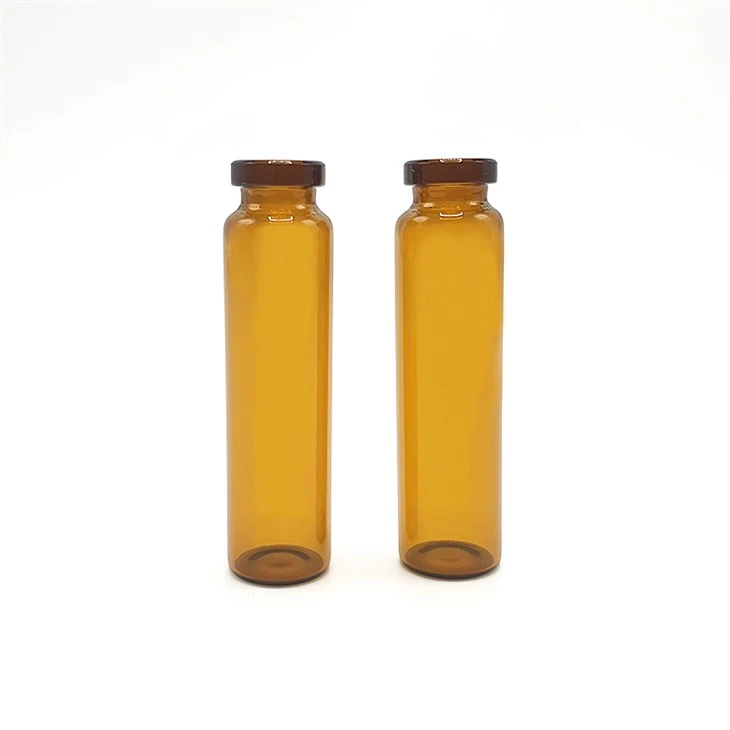
A proper seal is essential to prevent air and bacteria from entering the bottle and spoiling the milk. When choosing a blue glass bottle for milk storage, make sure it comes with a tight-fitting lid or cap that provides an airtight seal.
It is also important to check the seal regularly and replace it if it becomes damaged or worn.
3. Cleaning and Sanitization
To ensure the safety and quality of the milk, it is crucial to clean and sanitize the blue glass bottles thoroughly before each use. Use hot, soapy water to wash the bottles, and then rinse them thoroughly to remove any soap residue.
For a more thorough sanitization, you can soak the bottles in a solution of one part bleach to ten parts water for a few minutes, followed by a final rinse with clean water. Make sure to allow the bottles to dry completely before filling them with milk.
Other Applications of Blue Glass Bottles
In addition to milk storage, blue glass bottles have a wide range of other applications. At our company, we also supply blue glass bottles for Medicine Packaging Bottle and Small Medicine Bottle uses. The light-blocking properties of blue glass make it an ideal choice for protecting medications from light degradation, ensuring their efficacy and stability.
Blue glass bottles are also commonly used for storing essential oils, perfumes, and other high-value liquids. The chemical inertness of glass helps to preserve the purity and quality of these products, while the aesthetic appeal of blue glass adds a touch of elegance.
Another popular application of blue glass bottles is in the production of Glass Vial, which are used in the pharmaceutical and laboratory industries for storing and dispensing small volumes of liquids. The durability and precision of blue glass vials make them a reliable choice for these applications.
Conclusion
In conclusion, blue glass bottles are an excellent choice for storing milk. Their ability to protect against light, chemical inertness, durability, and aesthetic appeal make them a superior option compared to other types of containers. By using blue glass bottles for milk storage, you can ensure that the milk remains fresh, nutritious, and delicious for longer.
If you are interested in purchasing high-quality blue glass bottles for milk storage or other applications, please do not hesitate to contact us. We would be happy to discuss your specific requirements and provide you with a detailed quote. Our team of experts is committed to providing exceptional products and services to meet your needs.
References
- "The Effects of Light on Milk Quality." Dairy Science and Technology.
- "Chemical Inertness of Glass Containers." Journal of Food Science.
- "Benefits of Reusable Glass Packaging." Environmental Science and Technology.