

Can glass medical vials be used for storing anti - inflammatory drugs? This is a question that many in the pharmaceutical industry often ponder. As a supplier of glass medical vials, I am well - versed in the properties of these vials and their suitability for various types of drugs, including anti - inflammatory medications.
Properties of Glass Medical Vials
Glass has long been a preferred material for pharmaceutical packaging due to its numerous beneficial properties. First and foremost, glass is highly inert. It does not react chemically with most drugs, which means that it will not contaminate the anti - inflammatory drugs stored inside. This is crucial because any chemical reaction between the container and the drug could alter the drug's efficacy, safety, and stability.
For example, some anti - inflammatory drugs may contain active ingredients that are sensitive to certain metals or plastics. If these drugs were stored in containers made of reactive materials, the active ingredients could bind to the container walls or undergo chemical changes, rendering the drug less effective or even harmful. Glass, on the other hand, provides a stable and non - reactive environment for these drugs.
Another important property of glass is its excellent barrier properties. Glass can effectively prevent the ingress of moisture, oxygen, and other contaminants. Anti - inflammatory drugs are often sensitive to moisture and oxygen, which can cause degradation of the active ingredients over time. By using glass medical vials, the drugs can be protected from these environmental factors, thus extending their shelf life.
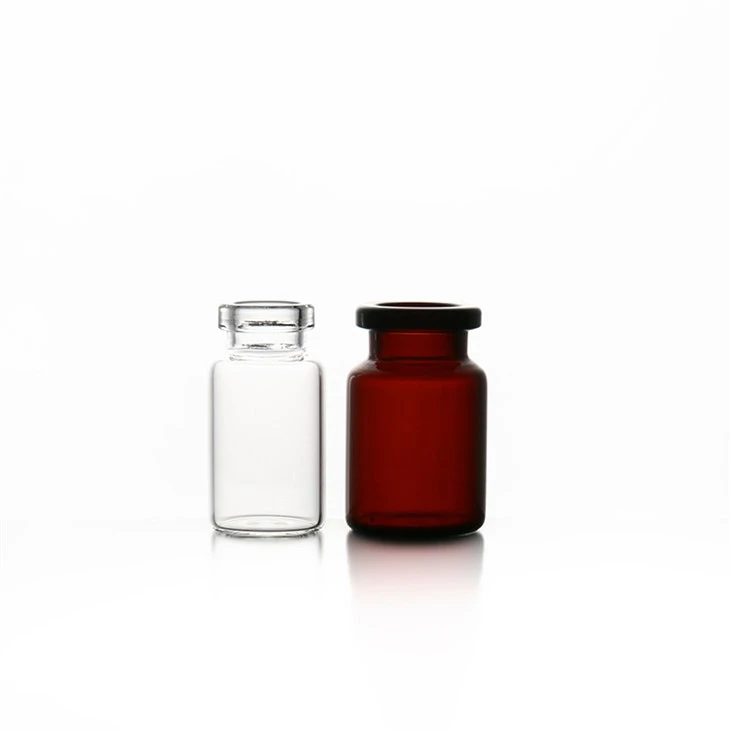
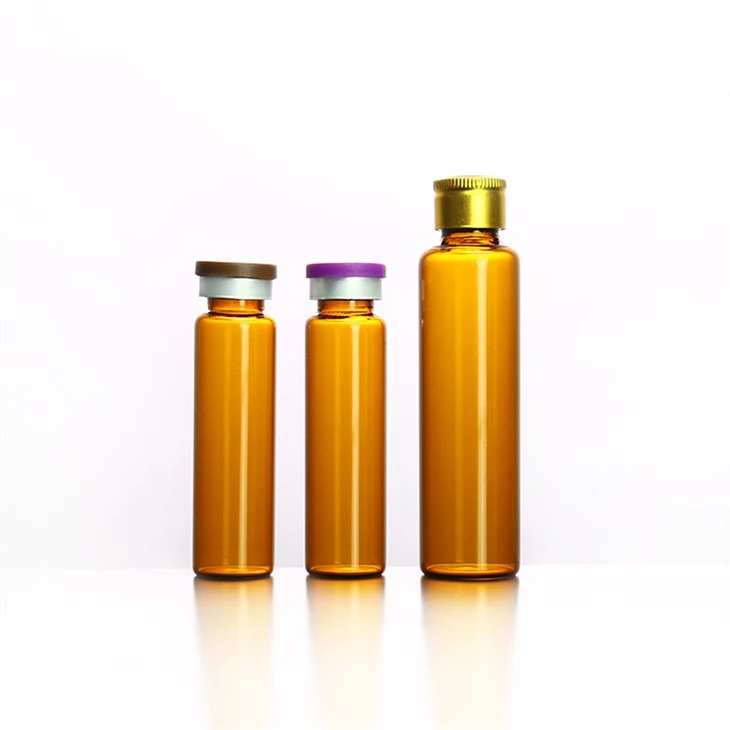
In addition, glass is transparent, which allows for easy visual inspection of the drug inside the vial. This is important for quality control purposes, as any changes in the appearance of the drug, such as discoloration or the presence of particles, can be easily detected.
Types of Glass Medical Vials for Anti - Inflammatory Drugs
There are different types of glass medical vials available, each with its own characteristics. One popular option is the Medical Vial. These vials come in various sizes and can be customized to meet the specific needs of different anti - inflammatory drugs. They are typically made of borosilicate glass, which has a high resistance to thermal shock and chemical corrosion. This makes them suitable for storing drugs that require strict temperature control or are prone to chemical reactions.
Flip Cap Amber Bottles are also a great choice for storing anti - inflammatory drugs. The amber color of the glass provides additional protection against light, which can cause photodegradation of some drugs. The flip - cap design makes it easy to access the drug, while still providing a secure seal to prevent contamination.
For smaller doses of anti - inflammatory drugs, Small Medicine Bottle can be used. These bottles are compact and convenient, making them ideal for travel or for patients who need to take the drug in small, precise doses.
Considerations for Using Glass Medical Vials for Anti - Inflammatory Drugs
While glass medical vials offer many advantages for storing anti - inflammatory drugs, there are also some considerations to keep in mind. One of the main concerns is the potential for breakage. Glass is a brittle material, and if the vials are not handled properly, they can break, leading to the loss of the drug and potential safety hazards. To mitigate this risk, proper packaging and handling procedures should be implemented. For example, the vials can be packed in protective materials such as foam or bubble wrap during transportation and storage.
Another consideration is the cost. Glass medical vials are generally more expensive than plastic containers. However, when considering the long - term benefits of using glass, such as the protection of the drug's quality and stability, the cost may be justified. In addition, the pharmaceutical industry often places a high value on product quality and patient safety, which makes glass an attractive option despite the higher cost.
Compatibility with Different Anti - Inflammatory Drugs
Not all anti - inflammatory drugs are the same, and their compatibility with glass medical vials can vary. Some anti - inflammatory drugs may have a high pH value, which could potentially cause the glass to dissolve over time. In such cases, special types of glass or surface treatments may be required to ensure the long - term stability of the drug.
For example, some corticosteroid - based anti - inflammatory drugs may be more prone to interacting with the glass surface. In these situations, vials with a low - alkali glass composition or a siliconized inner surface can be used to reduce the risk of interaction.
It is also important to consider the formulation of the anti - inflammatory drug. Drugs in liquid form may have different requirements compared to those in solid form. Liquid drugs may be more likely to come into contact with the entire inner surface of the vial, so the compatibility of the glass with the liquid formulation needs to be carefully evaluated.
Regulatory Requirements
The use of glass medical vials for storing anti - inflammatory drugs is subject to strict regulatory requirements. Regulatory agencies around the world, such as the Food and Drug Administration (FDA) in the United States and the European Medicines Agency (EMA) in Europe, have established guidelines for pharmaceutical packaging materials. These guidelines ensure that the packaging materials do not pose any risks to the drug's quality, safety, and efficacy.
Glass medical vials must meet certain standards for chemical composition, physical properties, and microbiological purity. For example, the glass must be free from contaminants that could leach into the drug. Manufacturers of glass medical vials need to comply with these regulations to ensure that their products can be used in the pharmaceutical industry.
Conclusion
In conclusion, glass medical vials can be an excellent choice for storing anti - inflammatory drugs. Their inertness, barrier properties, and transparency make them well - suited for protecting the quality and stability of these drugs. However, careful consideration needs to be given to factors such as breakage risk, cost, drug compatibility, and regulatory requirements.
As a supplier of glass medical vials, we are committed to providing high - quality products that meet the specific needs of the pharmaceutical industry. If you are in the market for glass medical vials for storing anti - inflammatory drugs, we invite you to contact us for further information and to discuss your procurement requirements. We look forward to the opportunity to work with you and contribute to the safe and effective storage of your anti - inflammatory drugs.
References
- European Pharmacopoeia, 10th Edition. Council of Europe, Strasbourg, 2020.
- United States Pharmacopeia (USP) 43 - NF 38. United States Pharmacopeial Convention, Rockville, MD, 2020.
- Pharmaceutical Packaging Handbook. Edited by S. S. Davis, T. A. Davis, and L. Illum. John Wiley & Sons, 2004.