

In the world of plumbing systems, the selection of appropriate components is crucial for ensuring optimal performance, durability, and safety. One common question that often arises is whether a 32mm rubber stopper can be used in a plumbing system. As a leading supplier of 32mm rubber stoppers, I am well - versed in the properties of these products and their suitability for various applications, including plumbing. In this blog, we will delve into the factors that determine the viability of using a 32mm rubber stopper in a plumbing system.
Understanding the Basics of Rubber Stoppers
Rubber stoppers are versatile components made from different types of rubber materials, each with its unique set of properties. The 32mm size refers to the diameter of the stopper, which is a critical dimension when considering its fit within a plumbing system. The most commonly used rubber materials for stoppers include natural rubber, synthetic rubber such as neoprene, silicone rubber, and butyl rubber.
Natural rubber is known for its high elasticity, good tear resistance, and excellent sealing properties. It is relatively soft and can conform well to irregular surfaces. Synthetic rubbers like neoprene offer better resistance to oil, chemicals, and weathering compared to natural rubber. Silicone rubber is heat - resistant, flexible at low temperatures, and has excellent biocompatibility, making it suitable for some specialized plumbing applications. Butyl rubber, on the other hand, has outstanding air and water impermeability, which is beneficial for preventing leaks.
Compatibility with Plumbing Fluids
One of the primary considerations when using a 32mm rubber stopper in a plumbing system is its compatibility with the fluids it will come into contact with. In most domestic plumbing systems, the main fluid is water. However, depending on the location and function of the plumbing, it may also come into contact with chemicals such as detergents, disinfectants, or even sewage.
For a water - only plumbing system, natural rubber or silicone rubber stoppers can be a good choice. Natural rubber can form a tight seal around pipes and fittings, preventing water leakage. Silicone rubber is non - toxic and resistant to the growth of bacteria, which is ideal for potable water systems. If the plumbing system is exposed to chemicals, neoprene or butyl rubber stoppers are more suitable. Neoprene can withstand a variety of chemicals, including some acids and alkalis, while butyl rubber is highly resistant to water and gas, which is useful for preventing the escape of noxious gases in sewage systems.
Pressure and Temperature Resistance
Plumbing systems operate under different pressure and temperature conditions. The pressure in a plumbing system can vary depending on the height of the building, the flow rate of water, and the type of plumbing fixtures used. Similarly, the temperature of the water can range from cold tap water to hot water from a water heater.
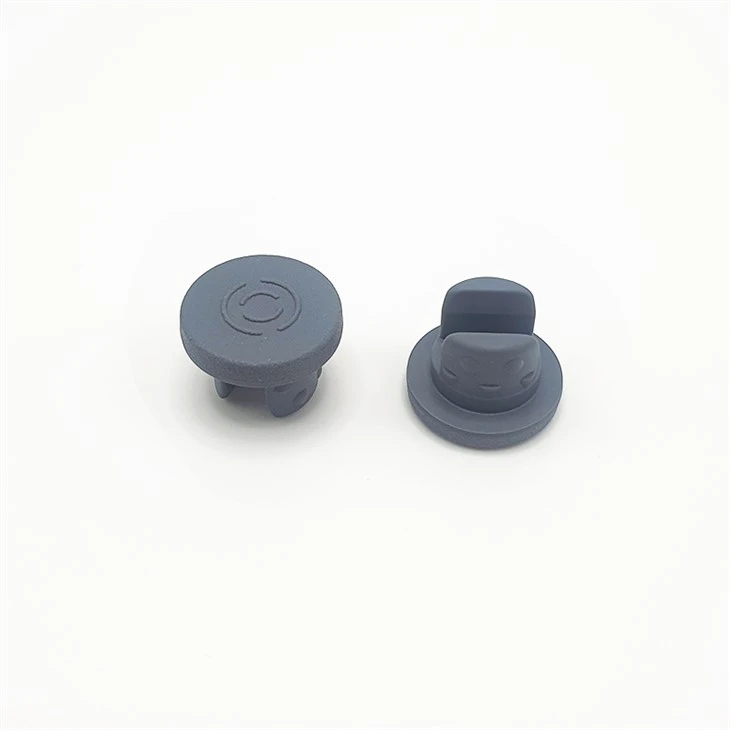
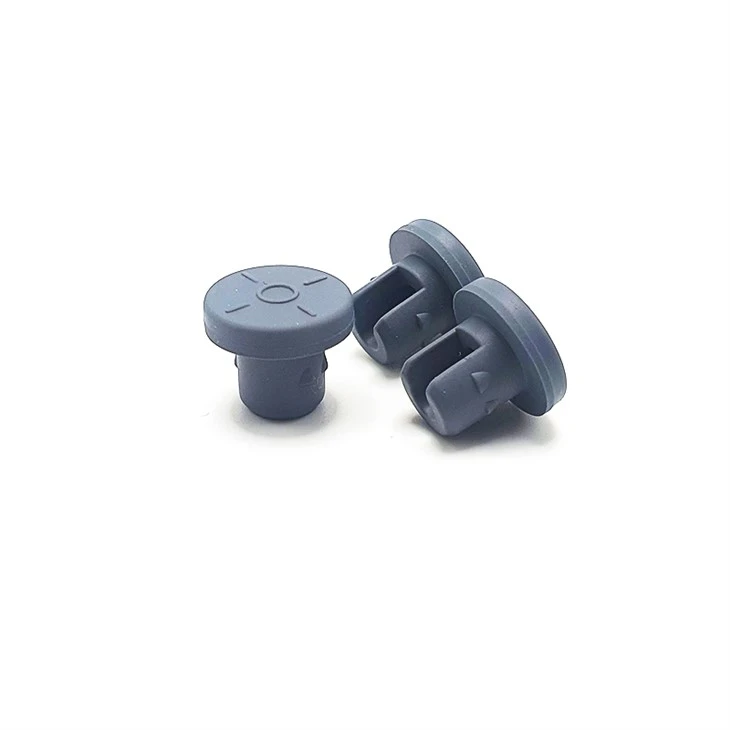
A 32mm rubber stopper must be able to withstand the pressure and temperature conditions of the plumbing system. Silicone rubber stoppers are known for their wide temperature tolerance, able to withstand both high and low temperatures without losing their elasticity. They can be used in hot water plumbing systems, such as those in kitchens and bathrooms. Butyl rubber stoppers also have good pressure - resistance properties, which make them suitable for use in high - pressure plumbing applications.
Fit and Seal
The proper fit of a 32mm rubber stopper is essential for creating an effective seal in a plumbing system. A stopper that is too small may not provide a tight seal, leading to leaks. Conversely, a stopper that is too large may be difficult to install and could cause damage to the pipes or fittings.
When selecting a 32mm rubber stopper, it is important to ensure that it is designed to fit the specific pipes and fittings in the plumbing system. Some rubber stoppers come with tapered ends or special shapes to improve the fit. Additionally, the surface finish of the rubber stopper can affect the seal. A smooth surface can provide a better seal, especially when in contact with smooth pipe surfaces.
Other Applications of 32mm Rubber Stoppers
While we are focusing on plumbing systems, 32mm rubber stoppers have a wide range of other applications. For example, in the pharmaceutical industry, they are used as Pharmaceutical Butyl Rubber Stopper to seal vials and containers. The high purity and low extractables of butyl rubber make it suitable for this application.
In the laboratory, 32mm rubber stoppers can be used to seal test tubes and flasks. They prevent the evaporation of liquids and the entry of contaminants. Miniature versions of these stoppers, Mini Rubber Stopper, are often used in small - scale experiments.
In the medical field, 32mm rubber stoppers are used in Rubber Stopper for Injection to seal syringes and vials. The rubber must be compatible with the medications and have good puncture - resistance properties.
Conclusion and Call to Action
In conclusion, a 32mm rubber stopper can be used in a plumbing system, provided that it is made from the appropriate rubber material, is compatible with the plumbing fluids, can withstand the pressure and temperature conditions, and provides a proper fit and seal. As a supplier of high - quality 32mm rubber stoppers, we have a wide range of products to meet different plumbing requirements.
If you are in need of 32mm rubber stoppers for your plumbing project or any other application, we encourage you to reach out to us for more information. Our team of experts can assist you in selecting the right rubber stopper for your specific needs. Whether you need a stopper for a simple domestic plumbing repair or a large - scale industrial plumbing installation, we have the products and knowledge to support you.
References
- "Handbook of Rubber Technology" by K. Chattopadhyay and B. K. Gupta
- "Plumbing Engineering: Design and Installation" by M. J. Moran
- "Materials Science for Engineers" by W. F. Smith and J. Hashemi