

Hey there! As a supplier of blue glass bottles, I often get asked about special care instructions for these beauties. So, I thought I'd put together this blog post to share some tips and insights.
First off, let's talk about why blue glass bottles are so popular. Blue glass is not just aesthetically pleasing; it also offers some practical benefits. The blue tint helps to block out certain wavelengths of light, which can be beneficial for storing light-sensitive substances like essential oils, medicines, and some chemicals. This light-blocking property helps to preserve the integrity and effectiveness of the contents inside the bottle.

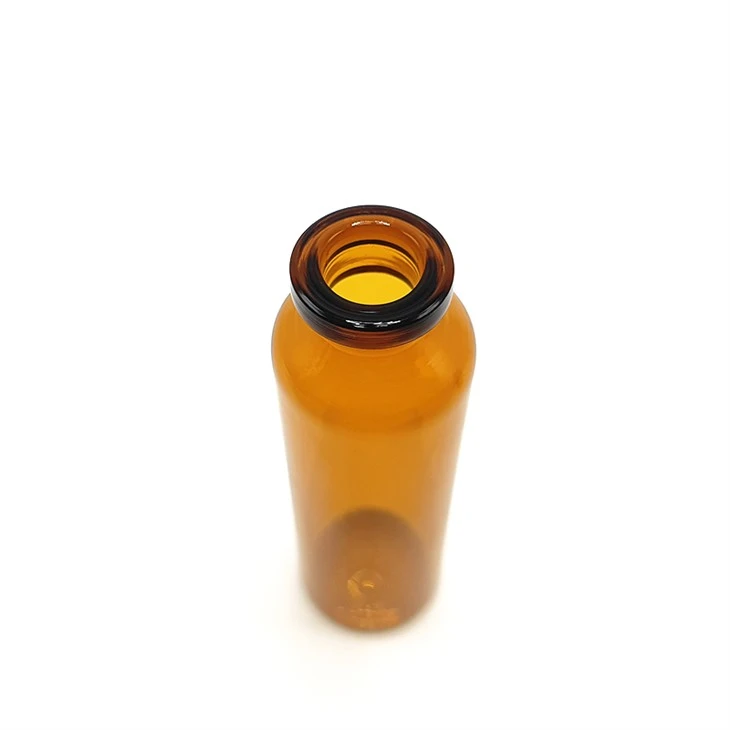
Now, onto the care instructions.
Cleaning
Cleaning your blue glass bottles is pretty straightforward, but there are a few things to keep in mind.
- Before first use: When you receive a new blue glass bottle, it's a good idea to give it a thorough cleaning. You can start by rinsing it with warm water to remove any dust or debris that might have accumulated during shipping. Then, fill the bottle about halfway with warm, soapy water. You can use a mild dish soap for this. Swirl the soapy water around inside the bottle, making sure it reaches all the nooks and crannies. For hard-to-reach areas, you can use a bottle brush. After swirling, let the soapy water sit in the bottle for a few minutes to loosen any stubborn dirt. Then, rinse the bottle thoroughly with clean water. Make sure to rinse it several times to remove all the soap residue. You don't want any soap left in the bottle, as it could contaminate the contents you'll be storing.
- Regular cleaning: If you're using the bottle to store something like essential oils or medicines, you'll want to clean it regularly. For essential oils, you can follow the same process as above. However, if the bottle has a strong odor from the essential oil, you can add a little bit of white vinegar to the soapy water. The vinegar helps to neutralize the odor. For medicine bottles, it's especially important to clean them well. You might want to use a medical-grade disinfectant in addition to the soapy water. Just make sure to rinse the bottle extremely well after using the disinfectant.
Storage
Proper storage is crucial for maintaining the quality of your blue glass bottles.
- Keep them upright: Always store your blue glass bottles upright. This helps to prevent any leakage, especially if the bottle has a cap or stopper. If the bottle is stored on its side, there's a higher chance that the contents could seep out or that the cap could come loose.
- Avoid extreme temperatures: Blue glass is generally quite durable, but extreme temperatures can cause it to crack or break. Don't store your bottles in direct sunlight or near a heat source like a radiator. On the other hand, don't expose them to freezing temperatures either. If you need to store the bottles in a cold environment, make sure to gradually acclimate them to the temperature change.
- Store in a clean, dry place: Find a clean and dry place to store your blue glass bottles. A cabinet or a shelf in a cool room is ideal. Avoid storing them in a damp area, as moisture can cause the bottle to develop mold or mildew, and it can also damage the label on the bottle.
Handling
When handling blue glass bottles, you need to be careful to avoid any damage.
- Use gentle pressure: When opening or closing the bottle, use gentle pressure. Don't force the cap or stopper on or off, as this could crack the bottle or damage the seal. If the cap seems stuck, try running the bottle under warm water for a few seconds to expand the glass slightly. This can often make it easier to remove the cap.
- Avoid dropping or knocking: Blue glass is breakable, so be careful not to drop or knock the bottle around. Even a small impact can cause a crack or a chip. If you're transporting the bottles, make sure to pack them securely in a box with plenty of cushioning material like bubble wrap or packing peanuts.
Compatibility
It's important to make sure that the contents you're storing in the blue glass bottle are compatible with the glass.
- Chemicals: Some chemicals can react with the glass over time. Before storing any chemical in a blue glass bottle, do some research to make sure it's safe. If you're unsure, you can contact a chemical expert or the manufacturer of the chemical.
- Acids and bases: Strong acids and bases can also damage the glass. If you need to store an acidic or basic substance, make sure the bottle is made of a type of glass that can withstand the chemical. Some blue glass bottles are specifically designed to be resistant to acids and bases.
Now, if you're in the market for blue glass bottles, we have a great selection. Check out our 10ml Medicine Bottle, which is perfect for storing small amounts of medicine. We also have Pharmacy Vials and Caps that are ideal for pharmacy use. And if you're looking for a bottle to store freeze-dried powder, our Freeze-dried Powder Bottle is a great option.
If you're interested in purchasing our blue glass bottles, we'd love to have a chat with you. Whether you're a small business looking for a few bottles or a large corporation in need of bulk orders, we can work with you to meet your needs. Reach out to us to start the procurement discussion, and let's find the perfect blue glass bottle solution for you.
References
- Glass Packaging Institute. (2023). Care and Handling of Glass Containers.
- American Chemical Society. (2022). Chemical Compatibility with Glass Materials.