

As a supplier of 60 ml glass bottles, I've often been asked whether these petite containers are suitable for storing mouthwashes. In this blog post, I'll delve into the scientific aspects, advantages, and considerations of using 60 ml glass bottles for mouthwash storage.
The Science Behind Glass as a Storage Material
Glass has long been recognized as an ideal material for storing various liquids, including mouthwashes. One of the primary reasons is its inert nature. Unlike some plastics, glass does not react chemically with the contents it holds. Mouthwashes typically contain a variety of active ingredients such as alcohol, fluoride, essential oils, and antibacterial agents. These components need to be stored in a container that won't leach harmful substances or alter their chemical composition. Glass provides a stable and non - reactive environment, ensuring the integrity and effectiveness of the mouthwash over time.
Another scientific advantage of glass is its impermeability. It does not allow air, moisture, or other external contaminants to penetrate. This is crucial for mouthwashes, as exposure to air can cause oxidation of the active ingredients, leading to a loss of potency. Moisture can also dilute the mouthwash or promote the growth of microorganisms. With glass bottles, the mouthwash remains protected from these external factors, maintaining its quality and shelf - life.
Advantages of 60 ml Glass Bottles for Mouthwash Storage
Portability
The 60 ml size is incredibly convenient for on - the - go use. Whether you're traveling, going to the gym, or simply out and about for the day, a 60 ml glass bottle of mouthwash can easily fit into your purse, backpack, or pocket. It allows you to maintain good oral hygiene wherever you are, without the bulk of a larger bottle.
Dosage Control
The smaller volume of a 60 ml bottle can help with dosage control. Most mouthwashes recommend using a specific amount, usually around 15 - 20 ml. With a 60 ml bottle, it's easier to estimate the correct dosage, reducing the risk of using too much or too little mouthwash. This can be particularly beneficial for those who are conscious of the amount of active ingredients they are ingesting or for children who need to use mouthwash under adult supervision.
Aesthetic Appeal
Glass bottles have a certain elegance and sophistication that can enhance the overall presentation of the mouthwash. They can be clear, allowing consumers to see the color and clarity of the product, or they can be tinted to provide additional protection from light. Tinted glass, such as amber or cobalt blue, can block out harmful UV rays that may degrade the mouthwash's active ingredients. This aesthetic appeal can also make the product more attractive on store shelves, potentially increasing sales.
Considerations When Using 60 ml Glass Bottles for Mouthwash
Fragility
One of the main drawbacks of glass bottles is their fragility. They can break if dropped or mishandled, which can be a safety hazard and result in the loss of the product. However, modern glass manufacturing techniques have made glass bottles more durable than ever before. Some glass bottles are also coated with a protective layer to reduce the risk of breakage. Additionally, packaging can play a crucial role in protecting the glass bottle during transportation and storage. For example, using foam inserts or sturdy cardboard boxes can help prevent damage.
Cost
Glass bottles are generally more expensive than plastic bottles. The cost of raw materials, manufacturing, and transportation can all contribute to a higher price point. However, many consumers are willing to pay a premium for the quality and benefits that glass offers. For mouthwash manufacturers, the perceived value of using glass bottles can justify the additional cost, especially if it helps to differentiate their product in a competitive market.
Recycling
While glass is highly recyclable, the recycling process can vary depending on the location. Some areas may have well - established glass recycling programs, while others may face challenges. Mouthwash manufacturers need to consider the environmental impact of their packaging and ensure that their customers are aware of the recycling options available. By promoting recycling, they can minimize the environmental footprint of using glass bottles.
Our Range of 60 ml Glass Bottles
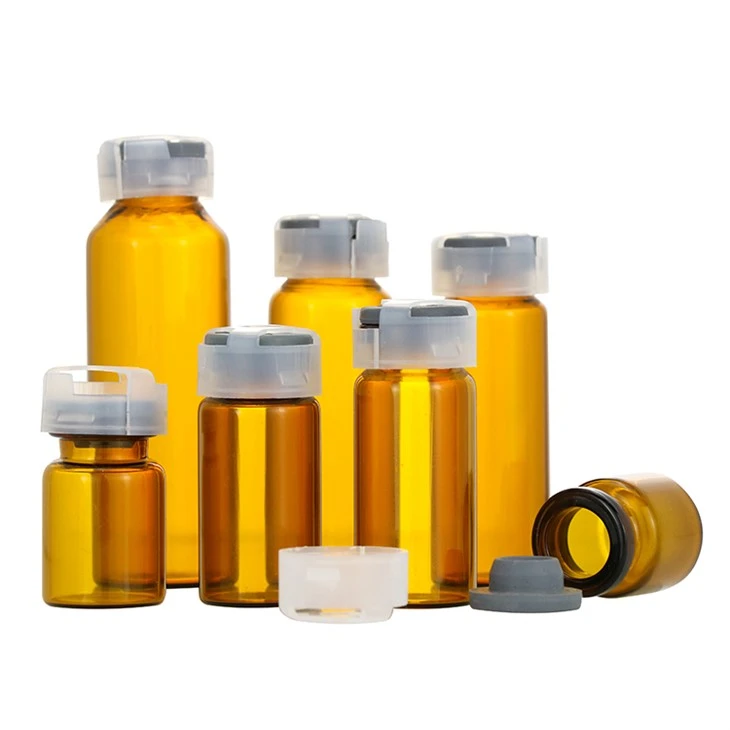
As a supplier, we offer a wide range of 60 ml glass bottles that are suitable for storing mouthwashes. Our Clear Medicine Bottle provides a clear view of the product, allowing consumers to appreciate its color and clarity. These bottles are made from high - quality glass that is resistant to chemical reactions and can withstand the rigors of daily use.
Our Pharmacy Bottle Glass is designed with the pharmaceutical industry in mind. It offers excellent protection for the mouthwash, with options for different closures and seals to ensure a tight fit. The bottles are also available in various shapes and sizes, allowing for customization to meet the specific needs of mouthwash manufacturers.
For those looking for a more compact option, our Small Medicine Bottle is the perfect choice. The 60 ml size is ideal for travel and on - the - go use, and it can be easily labeled with product information and instructions.
Conclusion
In conclusion, 60 ml glass bottles can be an excellent choice for storing mouthwashes. They offer numerous advantages in terms of scientific stability, portability, dosage control, and aesthetic appeal. While there are some considerations such as fragility, cost, and recycling, these can be managed with proper packaging, marketing, and consumer education.
If you're a mouthwash manufacturer or distributor interested in using our 60 ml glass bottles, we'd love to hear from you. We can provide samples, discuss customization options, and offer competitive pricing. Contact us today to start a conversation about how our glass bottles can enhance your mouthwash product.

References
- "Packaging Materials for Oral Hygiene Products," Journal of Oral Health Science, 2018.
- "The Impact of Packaging on the Shelf - Life of Mouthwashes," International Journal of Pharmaceutical Sciences and Research, 2019.
- "Advantages and Disadvantages of Glass Packaging in the Pharmaceutical Industry," Pharmaceutical Technology Review, 2020.