

Can 2ml glass bottles be shipped internationally? This is a question that many customers, especially those in the international market, often ask me as a supplier of 2ml glass bottles. In this blog post, I'll explore the factors involved in international shipping of 2ml glass bottles, including regulations, packaging, and logistics, to give you a comprehensive understanding of the process.
Regulations and Compliance
When it comes to international shipping, regulations play a crucial role. Different countries have their own import and export regulations regarding glass products, and 2ml glass bottles are no exception. These regulations are mainly in place to ensure safety, protect the environment, and prevent the spread of harmful substances.
For example, some countries may have strict requirements on the quality and composition of the glass used in the bottles. The glass must be free from contaminants and meet certain standards for strength and durability. Additionally, there may be regulations regarding labeling. The bottles need to be properly labeled with information such as the capacity (2ml in this case), the type of glass, and any warnings or instructions if applicable.
Another important aspect is customs clearance. Each country's customs department will inspect the goods to ensure they comply with their regulations. They may check the quantity, value, and origin of the 2ml glass bottles. It's essential to provide accurate documentation, including invoices, packing lists, and certificates of origin, to avoid any delays or issues during customs clearance.
Packaging for International Shipping
Proper packaging is vital when shipping 2ml glass bottles internationally. Glass is a fragile material, and the bottles need to be protected from damage during transit. The packaging should be able to withstand the rigors of long - distance transportation, including handling, stacking, and possible impacts.
First, the individual 2ml glass bottles should be placed in a protective inner packaging. This could be a foam insert or a soft plastic sleeve that fits snugly around the bottle, cushioning it from shocks. Then, multiple bottles are grouped together and placed in a sturdy outer box. The outer box should be made of high - quality cardboard or corrugated material with sufficient strength to resist compression.
It's also a good idea to use additional padding materials, such as bubble wrap or packing peanuts, inside the outer box to fill any empty spaces and prevent the bottles from moving around. This helps to further reduce the risk of breakage. Moreover, the packaging should be clearly labeled with handling instructions, such as "Fragile" and "This Side Up," to ensure that the shipping personnel handle the packages with care.
Logistics and Shipping Options
There are several logistics and shipping options available for international shipping of 2ml glass bottles. The choice depends on factors such as the destination, the quantity of bottles, and the customer's budget and delivery time requirements.

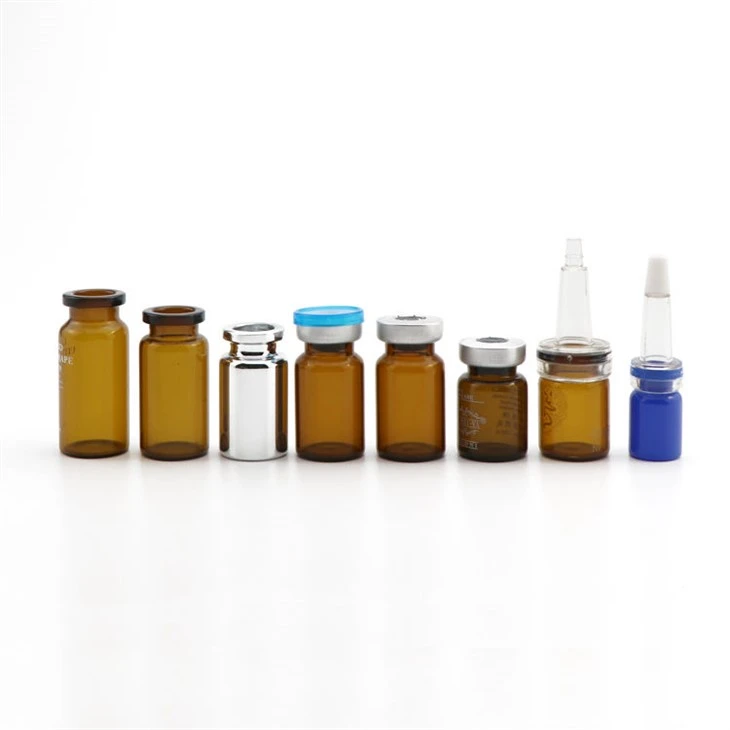
- Air Freight: Air freight is a popular option for shipping 2ml glass bottles internationally, especially when speed is of the essence. It offers relatively fast delivery times, usually within a few days to a week, depending on the destination. However, air freight can be more expensive, especially for large - volume shipments. It's suitable for urgent orders or high - value 2ml glass bottles.
- Sea Freight: Sea freight is a more cost - effective option for shipping large quantities of 2ml glass bottles. Although it has a longer transit time, often taking several weeks, it can significantly reduce the shipping cost per unit. Sea freight is ideal for customers who can afford to wait for their orders and are shipping a large number of bottles.
- Courier Services: Courier services like DHL, FedEx, and UPS are also available for shipping 2ml glass bottles. They offer door - to - door delivery and have a good track record of reliability. Courier services are suitable for smaller shipments and when the customer wants more visibility and control over the delivery process.
Insurance
Given the fragility of glass, it's highly recommended to purchase insurance for international shipments of 2ml glass bottles. Insurance provides financial protection in case of damage, loss, or theft during transit. Most shipping companies offer insurance options, and it's important to carefully review the terms and conditions of the insurance policy.
The cost of insurance usually depends on the value of the shipment. It's a small price to pay considering the potential losses that could occur if the bottles are damaged during shipping. By having insurance, you can have peace of mind knowing that you'll be compensated if something goes wrong.
Market Demand for 2ml Glass Bottles
The market demand for 2ml glass bottles is quite significant, both domestically and internationally. These small glass bottles are widely used in various industries.
In the pharmaceutical industry, 2ml glass bottles are often used to store liquid medications, vaccines, and other pharmaceutical products. Their small size makes them convenient for single - dose or small - quantity storage. In the cosmetics industry, they are used for storing essential oils, serums, and other high - end beauty products. The glass material is inert and does not react with the contents, ensuring the quality and stability of the products.
If you're interested in other related products, you can check out our 1 Ml Vials, Small Glass Bottle, and Penicillin Bottle offerings.
Contact for Purchase and Negotiation
If you're looking to purchase 2ml glass bottles for your business or project, I'd be more than happy to discuss your requirements. Whether you need a small quantity for a trial order or a large - scale bulk shipment, we can work together to find the best solution for you. Feel free to reach out to me to start the negotiation process. We can discuss the price, shipping options, and any other details to ensure a smooth and satisfactory transaction.
References
- International Chamber of Commerce. Incoterms 2020 Rules.
- World Customs Organization. Guidelines for Customs Clearance of Goods.
- Packaging Institute. Best Practices for Packaging Fragile Goods.