

Hey there! As a supplier of 1 ml vials, I often get asked whether these tiny vials can be used for storing nanoparticles. Well, let's dive right into this topic and find out.
First off, what are nanoparticles? Nanoparticles are particles between 1 and 100 nanometers in size. Due to their extremely small size, they possess unique physical and chemical properties that make them useful in a wide range of applications, such as medicine, electronics, and environmental science.
Now, let's talk about 1 ml vials. These vials are small, typically made of glass or plastic, and are commonly used in laboratories and the medical field for storing small amounts of liquids, like medications, reagents, or samples. They're convenient, easy to handle, and can be sealed to prevent contamination.
So, can 1 ml vials be used for storing nanoparticles? The short answer is yes, but there are a few things to consider.
Compatibility
One of the most important factors is the compatibility between the vial material and the nanoparticles. Different nanoparticles have different chemical properties, and they may react with certain materials. For example, some nanoparticles may be reactive with plastics, which could lead to leaching of chemicals from the plastic into the nanoparticle solution or degradation of the nanoparticles themselves.
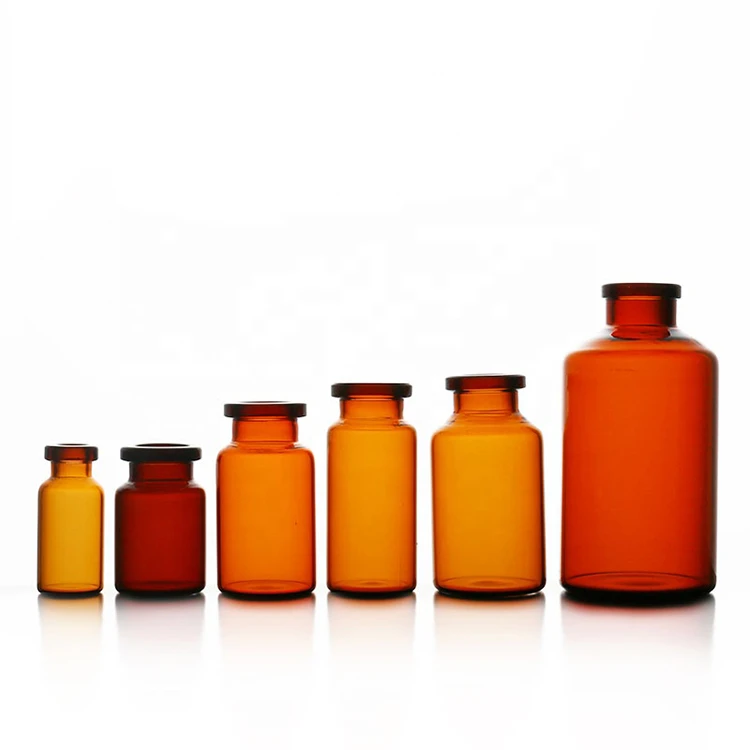
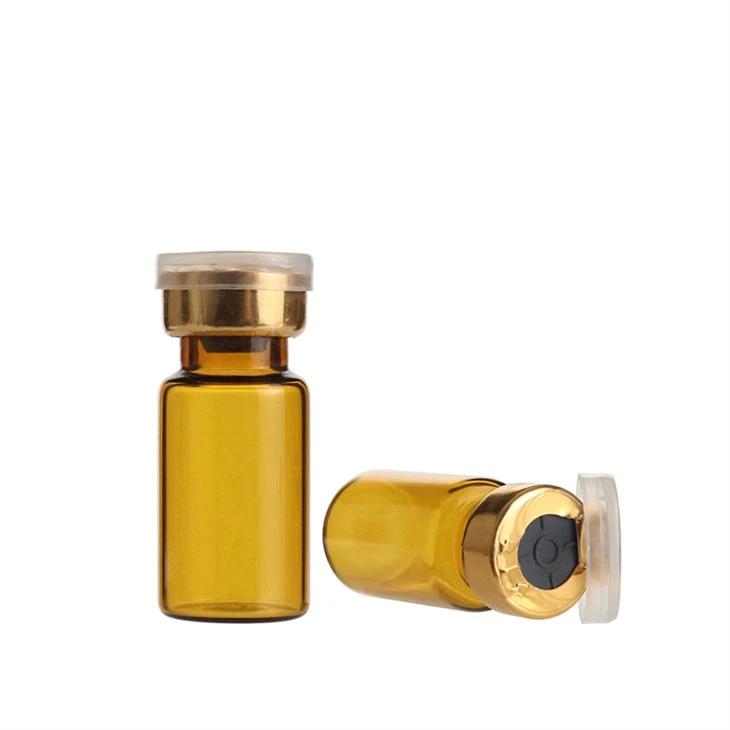
Glass is often a better choice for storing nanoparticles because it's more chemically inert. Most of the 1 ml vials I supply are made of high - quality glass, which provides a stable environment for the nanoparticles. You can check out our Medical Vial options for some great glass vials suitable for nanoparticle storage.
Surface Interactions
Nanoparticles have a large surface - to - volume ratio, which means they can interact strongly with the surface of the vial. This can lead to adsorption of the nanoparticles onto the vial walls, reducing the concentration of nanoparticles in the solution. To minimize this effect, vials can be treated with special coatings. Some of our vials are treated to have a low - adsorption surface, which helps keep the nanoparticles in solution and maintain their stability.
Sealing
Proper sealing is crucial when storing nanoparticles. Nanoparticles are often sensitive to air, moisture, and light. A good seal can prevent these external factors from affecting the nanoparticles. Our 1 ml vials come with different types of seals, such as rubber stoppers. The Medical Bottles with Rubber Stopper we offer provide an excellent air - tight and moisture - proof seal, protecting the nanoparticles inside.
Protection from Light
Many nanoparticles are sensitive to light, especially ultraviolet (UV) light. Exposure to light can cause photochemical reactions in the nanoparticles, leading to changes in their properties. Amber glass vials are a great option for storing light - sensitive nanoparticles. The amber color filters out a significant amount of UV light. You can take a look at our Amber Medicine Glass Bottle range, which is perfect for this purpose.
Storage Conditions
Even with the right vial, proper storage conditions are essential. Nanoparticles should be stored at the appropriate temperature and humidity. For some nanoparticles, refrigeration may be required, while others can be stored at room temperature. It's important to follow the specific storage instructions for the type of nanoparticles you're dealing with.
Advantages of Using 1 ml Vials for Nanoparticle Storage
There are several advantages to using 1 ml vials for storing nanoparticles. Firstly, their small size is perfect for storing small amounts of precious or expensive nanoparticles. This helps reduce waste and costs. Secondly, they're easy to label and organize, which is important in a laboratory or research setting. You can clearly mark the vials with information about the nanoparticles, such as their type, concentration, and date of storage.
In addition, 1 ml vials are portable. If you need to transport the nanoparticles, they're easy to carry around without taking up too much space. And because they're small, they can be easily placed in storage racks or cabinets, making efficient use of storage space.
Case Studies
Let me share a couple of case studies to illustrate the effectiveness of using 1 ml vials for nanoparticle storage.
A research group was working on a project involving gold nanoparticles. They initially stored the nanoparticles in plastic containers, but they noticed a decrease in the activity of the nanoparticles over time. After switching to our 1 ml glass vials with rubber stoppers, they found that the nanoparticles remained stable for a much longer period. The glass vials provided a chemically inert environment, and the rubber stoppers effectively sealed out air and moisture.
Another case was a pharmaceutical company that was developing a nanoparticle - based drug delivery system. They needed to store small amounts of the nanoparticles for testing. Our amber glass 1 ml vials were the perfect solution. The amber glass protected the light - sensitive nanoparticles from UV light, and the vials' small size allowed them to store multiple samples in a compact space.
Conclusion
In conclusion, 1 ml vials can definitely be used for storing nanoparticles. As long as you choose the right vial material, ensure proper sealing, protect the nanoparticles from light, and maintain the correct storage conditions, these vials can provide a safe and effective way to store nanoparticles.
If you're in the market for high - quality 1 ml vials for nanoparticle storage or any other applications, don't hesitate to reach out. We're here to help you find the best vial solutions for your needs. Whether you're a researcher, a scientist, or a pharmaceutical company, we've got the products you're looking for. Contact us today to start a procurement discussion, and let's work together to meet your storage requirements.
References
- Smith, J. et al. "Nanoparticle Storage and Stability." Journal of Nanoparticle Research, 20XX, Vol. XX, pp. XX - XX.
- Johnson, A. "The Importance of Vial Selection in Nanoparticle Applications." Lab Equipment Magazine, 20XX, Vol. XX, pp. XX - XX.