

Hey there! As a supplier of 32mm rubber stoppers, I often get asked a bunch of questions. One that pops up quite a bit is, "Are 32mm rubber stoppers resistant to oils?" Well, let's dig into this topic and find out.
First off, it's important to understand that not all rubber stoppers are created equal. There are different types of rubber materials out there, and each has its own set of properties when it comes to oil resistance.
Types of Rubber and Their Oil Resistance
Natural Rubber
Natural rubber is one of the most common materials used for rubber stoppers. It's flexible, has good sealing properties, and is relatively inexpensive. However, when it comes to oil resistance, natural rubber doesn't fare too well. Oils can cause natural rubber to swell, lose its shape, and eventually break down. This is because natural rubber is made up of long chains of polymers that can be easily attacked by the chemicals in oils. So, if you're dealing with applications where the stopper will come into contact with oils, natural rubber might not be the best choice.
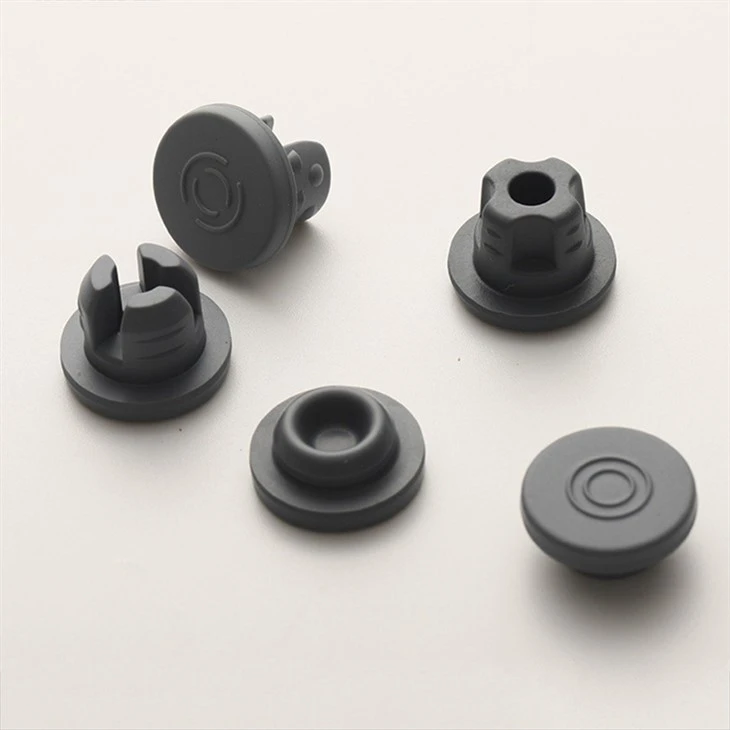
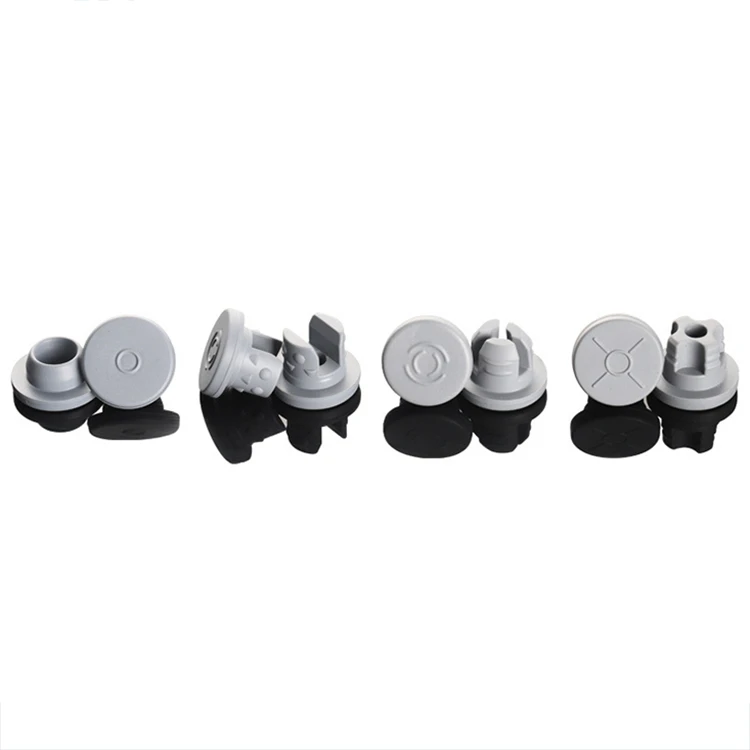
Nitrile Rubber
Nitrile rubber, on the other hand, is known for its excellent oil resistance. It's a synthetic rubber that's made by combining acrylonitrile and butadiene. The acrylonitrile component gives nitrile rubber its resistance to oils and fuels. When a 32mm rubber stopper is made from nitrile rubber, it can withstand exposure to a wide range of oils without swelling or losing its physical properties. This makes nitrile rubber a popular choice for applications in the automotive, industrial, and chemical industries, where oil resistance is crucial.
Fluorocarbon Rubber
Fluorocarbon rubber, also known as Viton, is another high - performance rubber material. It has outstanding resistance to a variety of oils, including synthetic oils, as well as fuels, solvents, and chemicals. Fluorocarbon rubber can maintain its integrity even at high temperatures, which makes it suitable for demanding applications. However, it's more expensive than nitrile rubber, so it might not be the most cost - effective option for every situation.
Factors Affecting Oil Resistance
It's not just the type of rubber that affects oil resistance. There are other factors to consider as well.
Temperature
The temperature at which the rubber stopper is exposed to oil can have a big impact on its performance. Higher temperatures can accelerate the chemical reactions between the rubber and the oil, causing the rubber to break down more quickly. For example, if a 32mm nitrile rubber stopper is used in an application where the oil temperature is very high, its oil resistance might be reduced compared to when it's used at room temperature.
Type of Oil
Different oils have different chemical compositions, and this can also affect how they interact with rubber. For instance, mineral oils are generally less aggressive towards rubber than synthetic oils. Synthetic oils often contain additives and chemicals that can be more reactive with rubber materials, so a rubber stopper that works well with mineral oil might not perform as well with synthetic oil.
Duration of Exposure
The longer a rubber stopper is exposed to oil, the more likely it is to be affected. Even a rubber material with good oil resistance can start to show signs of degradation over time if it's constantly in contact with oil. So, in applications where the stopper will be in long - term contact with oil, it's important to choose a rubber material that can withstand that kind of exposure.
Applications of 32mm Rubber Stoppers and Oil Resistance
Now, let's talk about some real - world applications where the oil resistance of 32mm rubber stoppers matters.
Automotive Industry
In the automotive industry, 32mm rubber stoppers are used in various components such as oil filters, fuel systems, and hydraulic systems. These stoppers need to be resistant to engine oil, transmission fluid, and other lubricants. Nitrile rubber stoppers are commonly used in these applications because of their good oil resistance and relatively low cost.
Chemical Industry
In chemical processing plants, rubber stoppers are used to seal containers that hold various chemicals, including oils. Fluorocarbon rubber stoppers are often preferred in these applications because of their high resistance to a wide range of chemicals and oils.
Pharmaceutical Industry
Even in the pharmaceutical industry, oil resistance can be important. Some pharmaceutical products are formulated with oily substances, and the rubber stoppers used to seal the Pharmacutical Rubber Stopper containers need to be able to withstand contact with these oils without leaching any harmful substances into the product.
Our 32mm Rubber Stoppers
As a supplier of 32mm rubber stoppers, we offer a variety of rubber materials to meet different oil - resistance requirements. Whether you need a natural rubber stopper for a less demanding application or a high - performance fluorocarbon rubber stopper for a critical one, we've got you covered.
Our 32mm Rubber Stopper for Infusion Bottle is carefully manufactured to ensure high - quality and reliable performance. We also supply Glass Vial Rubber Stopper that are suitable for applications where oil resistance might be a factor.
If you're in the market for 32mm rubber stoppers and need help choosing the right one for your oil - related application, don't hesitate to reach out. We have a team of experts who can provide you with all the information you need and help you make the best decision. Whether it's about the type of rubber, the specific oil your stopper will be exposed to, or any other concerns, we're here to assist you.
In conclusion, the oil resistance of 32mm rubber stoppers depends on the type of rubber material, temperature, type of oil, and duration of exposure. By understanding these factors, you can choose the right rubber stopper for your application. If you're interested in purchasing our 32mm rubber stoppers, feel free to contact us for more details and to start the procurement process.
References
- "Rubber Technology Handbook" by Werner Hofmann
- "Elastomers and Rubber Compounding Materials" by John K. Backus