

Hey there! As a supplier of 1 ml vials, I often get asked, "Are 1 ml vials transparent?" Well, the answer isn't as straightforward as you might think. In this blog, I'll dive deep into the world of 1 ml vials and their transparency, so you can make an informed decision for your needs.
The Basics of 1 ml Vials
First off, let's talk about what 1 ml vials are used for. These little guys are super handy in a bunch of industries, like pharmaceuticals, cosmetics, and research. They're perfect for storing small amounts of liquids, whether it's a potent medicine, a fancy essential oil, or a sample for a scientific experiment.
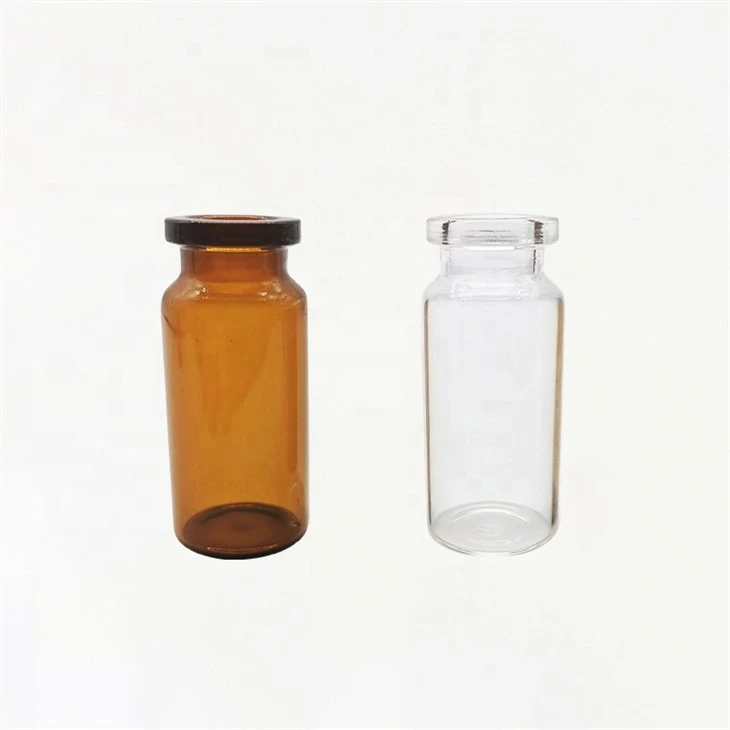
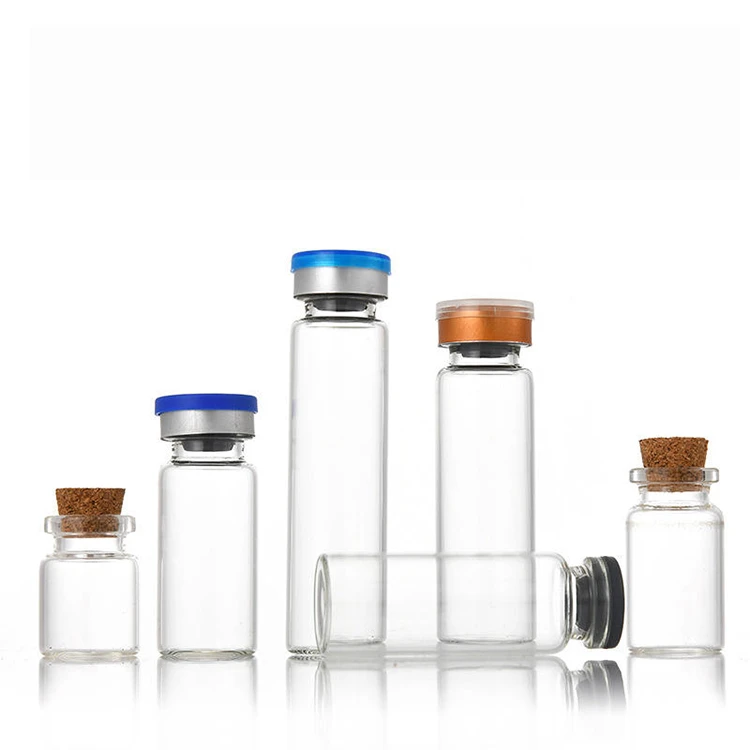
Now, when it comes to transparency, 1 ml vials come in different types. There are transparent ones, which are made from clear glass or plastic. These are great when you need to see the contents easily. You can quickly check the color, clarity, and level of the liquid inside. This is especially important in research settings, where you might need to observe changes in the sample over time.
On the other hand, there are also non - transparent 1 ml vials. One popular option is the Amber Glass Bottle. Amber glass is a type of colored glass that blocks out certain wavelengths of light. This is crucial for substances that are sensitive to light, like some medications and essential oils. Light can cause chemical reactions in these substances, which can change their properties and reduce their effectiveness. So, if you're dealing with light - sensitive materials, an amber glass 1 ml vial is the way to go.
Transparent 1 ml Vials
Transparent 1 ml vials have their own set of advantages. For starters, they're really convenient for quality control. In a pharmaceutical manufacturing plant, workers can easily inspect the contents of the vials to make sure there are no impurities or particles floating around. This visual inspection is a quick and effective way to maintain high - quality standards.
They're also great for educational purposes. In a biology or chemistry class, students can use transparent 1 ml vials to observe chemical reactions or the growth of microorganisms. The clear view allows them to learn and understand the processes better.
In the cosmetics industry, transparent vials are often used for products like serums and perfumes. Customers like to see the product they're buying, and a clear vial gives them a good look at the color and consistency of the liquid. It can also add a touch of elegance to the packaging.
However, transparent vials do have some drawbacks. As I mentioned earlier, they're not suitable for light - sensitive substances. If you store a light - sensitive liquid in a transparent vial, it might degrade over time, and you'll end up with a product that's not as effective as it should be.
Non - Transparent 1 ml Vials
Let's take a closer look at non - transparent 1 ml vials, specifically the amber glass ones. These vials are like little protectors for your light - sensitive substances. The amber color acts as a shield, filtering out UV and visible light. This helps to preserve the integrity of the contents for a longer period.
Another type of non - transparent vial is the Flip Cap Amber Bottles. These vials are not only light - resistant but also easy to use. The flip - cap design allows for quick and convenient access to the contents. They're often used in the essential oil industry, where customers want to be able to open and close the vial easily without any hassle.
Medical Bottles with Rubber Stopper are also a popular choice for non - transparent 1 ml vials. The rubber stopper provides an airtight seal, which is important for maintaining the sterility of the contents. These vials are commonly used in the medical field for storing vaccines, injectable medications, and other sensitive substances.
Choosing the Right 1 ml Vial
So, how do you decide whether to go for a transparent or non - transparent 1 ml vial? It all boils down to the nature of the substance you're storing. If your product is light - sensitive, then a non - transparent vial, like an amber glass one, is your best bet. You'll want to protect it from light to ensure its stability and effectiveness.
On the other hand, if you need to visually inspect the contents regularly or if the substance isn't affected by light, then a transparent vial is a good choice. It offers convenience and visibility.
You also need to consider the end - use of the product. If it's for retail, the packaging might play a role in the customer's decision. A transparent vial can be more appealing in some cases, while a non - transparent vial might give the impression of a high - quality, protected product.
Our Offerings as a 1 ml Vial Supplier
As a supplier of 1 ml vials, we understand the importance of providing the right product for your needs. We offer a wide range of both transparent and non - transparent 1 ml vials. Our transparent vials are made from high - quality glass or plastic, ensuring clarity and durability.
Our non - transparent vials, including the amber glass ones, are designed to provide excellent light protection. We also have different closure options, like the flip - cap and rubber stopper, to meet your specific requirements.
We pride ourselves on our quality control. Every vial goes through a rigorous inspection process to make sure it meets the highest standards. Whether you're a small startup or a large corporation, we can supply you with the 1 ml vials you need.
Contact Us for Your 1 ml Vial Needs
If you're in the market for 1 ml vials, whether it's transparent or non - transparent, we'd love to hear from you. We can help you choose the right vials for your product and provide you with a competitive quote. Don't hesitate to reach out to us for more information or to start a procurement discussion.
References
- Pharmaceutical Packaging Handbook, Second Edition. Edited by Gordon L. Amidon, Richard W. Kinget, and Paul B. Lee.
- Cosmetic Packaging: Principles and Practice. By Robert L. Williams.
- Laboratory Glassware and Plasticware: Selection, Use, and Care. By Mary Ann McLaughlin.