

Hey there! As a rubber stopper supplier, I often get asked about what materials these little guys are made of. Well, let's dive right into it and explore the various materials that go into making rubber stoppers.
Natural Rubber
First up, we've got natural rubber. It's derived from the latex sap of the Hevea brasiliensis tree. This type of rubber has some pretty cool properties. It's super flexible, which means it can easily conform to the shape of the container it's meant to seal. You know how sometimes you need a stopper that can fit snugly into a bottle with an irregular opening? Natural rubber is great for that.

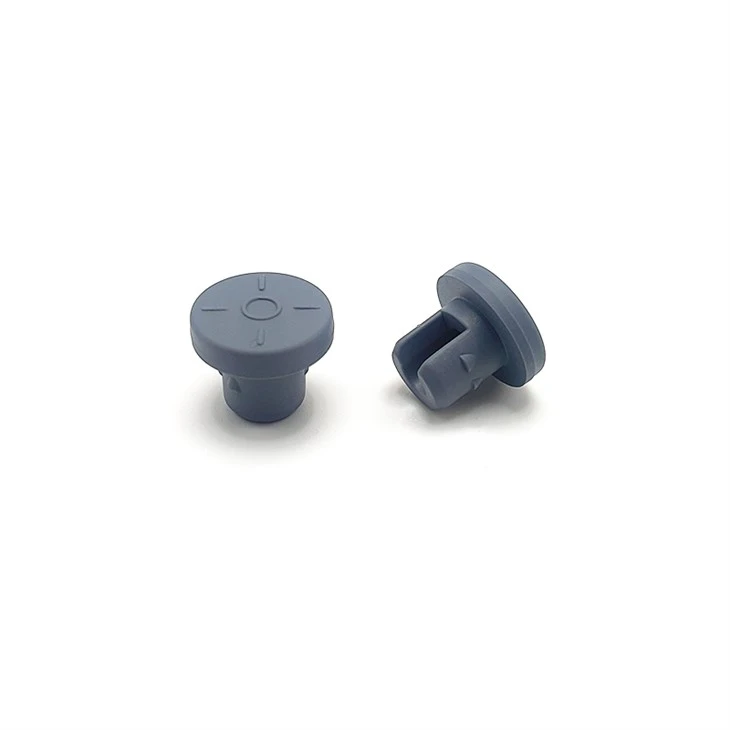
It also has good resilience, so it bounces back to its original shape after being compressed. This is important because it ensures a tight seal over time. And let's not forget about its excellent tear resistance. If you're using rubber stoppers in a situation where they might get tugged or pulled a bit, natural rubber can handle it without falling apart.
However, natural rubber does have its drawbacks. It's not very resistant to oils, solvents, and ozone. So, if you're planning to use rubber stoppers in an environment where they'll be exposed to these substances, natural rubber might not be the best choice. But for many general - purpose applications, like in laboratories for simple liquid storage or in some household uses, natural rubber stoppers are a popular option. You can check out our Rubber Stoppers Plug which are often made from natural rubber.
Synthetic Rubbers
Styrene - Butadiene Rubber (SBR)
SBR is one of the most widely used synthetic rubbers for making rubber stoppers. It's a copolymer of styrene and butadiene. One of the big advantages of SBR is its cost - effectiveness. It's relatively inexpensive to produce, which makes it a great option for high - volume applications.
In terms of performance, SBR has decent abrasion resistance. This means that if the rubber stoppers are going to be in contact with rough surfaces or are likely to experience some friction, SBR can hold up well. It also has good aging properties, so it doesn't degrade too quickly over time.
But SBR isn't as resistant to heat and oil as some other synthetic rubbers. So, if your application requires rubber stoppers to withstand high temperatures or be in contact with oils, you might want to look elsewhere.
Nitrile Rubber (NBR)
Nitrile rubber is another popular choice, especially when it comes to applications where oil and fuel resistance are crucial. It's made by copolymerizing acrylonitrile and butadiene. NBR has excellent resistance to a wide range of oils, fuels, and chemicals. This makes it ideal for use in the automotive industry, where rubber stoppers might be exposed to engine oils, gasoline, and other automotive fluids.
It also has good mechanical properties, such as high tensile strength and tear resistance. This means that nitrile rubber stoppers can handle a fair amount of stress without breaking. However, NBR isn't the best when it comes to resistance to ozone and sunlight. So, if your rubber stoppers will be used outdoors or in an environment with high ozone levels, you might need to consider a different material.
Silicone Rubber
Silicone rubber is known for its outstanding heat resistance. It can withstand a wide range of temperatures, from extremely cold to very hot. This makes it perfect for applications where the rubber stoppers will be exposed to temperature fluctuations, like in industrial ovens or refrigeration units.
Silicone rubber is also very flexible and has good chemical resistance to many substances, including some acids and bases. It's also non - toxic, which makes it suitable for use in the food and medical industries. Our Medical Rubber Stopper are often made from silicone rubber because of its safety and performance characteristics.
However, silicone rubber is more expensive than some other types of rubber. So, if cost is a major factor in your decision - making process, you might need to weigh the benefits against the price.
EPDM Rubber
EPDM (Ethylene Propylene Diene Monomer) rubber is a great choice for outdoor applications. It has excellent resistance to ozone, sunlight, and weathering. This means that EPDM rubber stoppers won't crack or degrade easily when exposed to the elements.
It also has good electrical insulation properties, which makes it useful in electrical applications. EPDM is resistant to many chemicals, including acids, alkalis, and polar solvents. But it's not very resistant to oils and hydrocarbons. So, if your application involves contact with these substances, EPDM might not be the right material.
Other Materials
Sometimes, rubber stoppers are made with a combination of materials to get the best of both worlds. For example, a rubber stopper might have a core made of one type of rubber for its mechanical properties and a coating of another material for chemical resistance.
There are also specialty rubber stoppers that are made with additives to enhance certain properties. For instance, some rubber stoppers might have a flame - retardant additive if they're going to be used in an environment where there's a risk of fire.
Choosing the Right Material
When it comes to choosing the right material for your rubber stoppers, there are a few things you need to consider. First, think about the environment in which the stoppers will be used. If they'll be exposed to chemicals, heat, or the elements, you need to choose a material that can withstand those conditions.
Next, consider the performance requirements. Do you need the rubber stoppers to have a high level of flexibility, tear resistance, or abrasion resistance? Make sure the material you choose meets those needs.
Cost is also an important factor. You don't want to overspend on rubber stoppers, but you also don't want to sacrifice quality for a lower price.
If you're not sure which material is right for your application, don't hesitate to reach out to us. We've got a team of experts who can help you make the best decision. And if you're interested in our Gray Rubber Stopper, we can provide you with all the details you need.
Let's Talk Business
Whether you're looking for a small quantity of rubber stoppers for a one - time project or a large - scale supply for your business, we're here to help. We offer high - quality rubber stoppers made from a variety of materials to meet your specific needs.
If you're interested in learning more about our products or getting a quote, just drop us a message. We're always happy to have a chat and see how we can work together to find the perfect rubber stoppers for your application.
References
- "Handbook of Rubber Technology" by K. Chattopadhyay
- "Rubber Compounding: Principles, Materials, and Techniques" by Maurice Morton