

UV resistance is a crucial property when it comes to rubber vial stoppers, especially considering their wide - ranging applications in various industries. As a well - established rubber vial stopper supplier, I've witnessed firsthand the importance of understanding the UV resistance of these products.
What Causes UV Degradation in Rubber Vial Stoppers?
Before delving into the UV resistance of rubber vial stoppers, it's essential to understand what causes UV degradation. Ultraviolet (UV) radiation from sunlight is composed of high - energy photons. When these photons interact with the rubber material of the vial stoppers, they can break the chemical bonds within the rubber polymer chains.
Rubber is a complex material made up of long - chain polymers. The UV photons have enough energy to disrupt the double bonds and other chemical linkages in these polymers. This disruption leads to a series of chemical reactions, such as oxidation and cross - linking. Oxidation can cause the rubber to become brittle, lose its elasticity, and develop surface cracks. Cross - linking, on the other hand, can make the rubber harder and less flexible over time.
Factors Affecting the UV Resistance of Rubber Vial Stoppers
Rubber Type
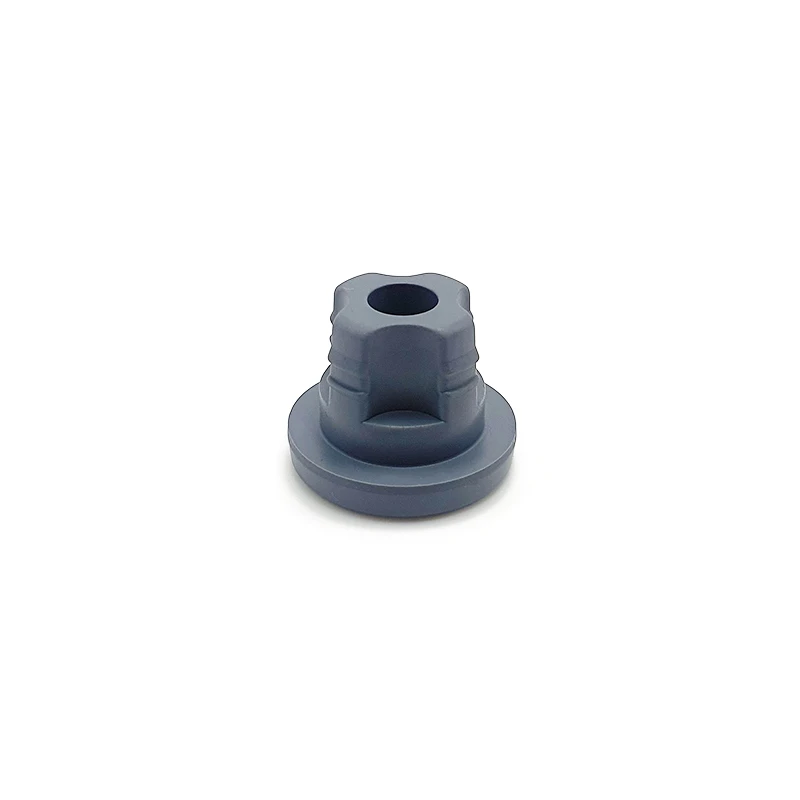
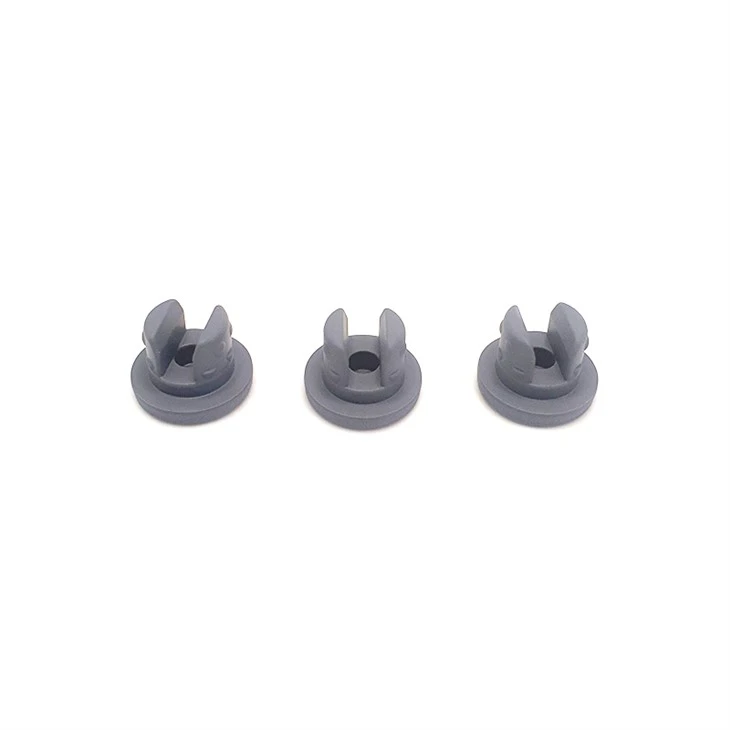
Different types of rubber have varying degrees of UV resistance. For example, natural rubber is relatively susceptible to UV degradation. Its molecular structure contains double bonds that are easily attacked by UV photons. In contrast, synthetic rubbers like bromobutyl rubber offer better UV resistance. Bromobutyl rubber has a more stable molecular structure, which makes it less prone to the chemical changes induced by UV radiation. Our Bromobutyl Rubber Stopper is a prime example of a product with enhanced UV resistance, making it suitable for applications where exposure to sunlight or UV light is a concern.
Additives
Additives play a significant role in improving the UV resistance of rubber vial stoppers. Antioxidants are commonly used to prevent or slow down the oxidation process caused by UV radiation. They work by reacting with the free radicals generated during UV exposure, thus preventing these free radicals from attacking the rubber polymer chains.
UV stabilizers are another important type of additive. These substances absorb or scatter UV radiation, reducing the amount of energy that reaches the rubber material. Carbon black is a well - known UV stabilizer. It not only provides UV protection but also enhances the mechanical properties of the rubber, such as its strength and abrasion resistance.
Thickness
The thickness of the rubber vial stopper can also affect its UV resistance. Thicker stoppers generally offer better protection against UV radiation because the UV photons have to penetrate a greater amount of rubber material. This means that more of the UV energy is absorbed or scattered within the rubber, reducing the impact on the inner layers of the stopper.
Testing the UV Resistance of Rubber Vial Stoppers
To ensure the quality and performance of our rubber vial stoppers, we conduct rigorous UV resistance testing. One common method is the accelerated weathering test. In this test, the rubber vial stoppers are exposed to artificial UV light in a controlled environment. The intensity and duration of the UV exposure are carefully calibrated to simulate long - term outdoor conditions.
During the test, we monitor various properties of the rubber vial stoppers, such as their hardness, elasticity, and color. Any significant changes in these properties indicate a decrease in the UV resistance of the rubber. For example, an increase in hardness or a loss of elasticity may suggest that the rubber has undergone UV - induced degradation.
Another testing method is the natural weathering test. In this approach, the rubber vial stoppers are placed outdoors and exposed to natural sunlight for an extended period. This test provides a more realistic assessment of the UV resistance of the stoppers, as it takes into account the effects of other environmental factors, such as temperature, humidity, and rainfall.
Applications and the Need for UV Resistance
Pharmaceutical Industry
In the pharmaceutical industry, rubber vial stoppers are used to seal medicine vials. These vials may be stored in warehouses or transported in trucks, where they could be exposed to sunlight or artificial UV light. If the rubber stoppers degrade due to UV exposure, they may lose their sealing properties, allowing air, moisture, or contaminants to enter the vial. This can compromise the quality and safety of the pharmaceutical product. Our Rubber Stopper 20mm is designed to meet the high - standards of the pharmaceutical industry, with excellent UV resistance to ensure the integrity of the medicine.
Cosmetic Industry
Cosmetic products are often packaged in vials with rubber stoppers. These products may be displayed on store shelves, where they are exposed to sunlight. UV - resistant rubber stoppers are essential to prevent the degradation of the cosmetic product and to maintain its appearance and quality. For instance, if a perfume vial's rubber stopper degrades, it may allow the perfume to evaporate or react with the air, changing its scent and reducing its shelf - life.
Laboratory Applications
In laboratories, rubber vial stoppers are used to seal various types of samples. Some laboratories may have windows that allow sunlight to enter, or they may use UV lamps for certain experiments. UV - resistant stoppers are necessary to protect the samples from contamination and to ensure the accuracy of the experimental results. Our Mini Rubber Stopper is a popular choice for laboratory applications due to its small size and good UV resistance.
Maintaining the UV Resistance of Rubber Vial Stoppers
Even though our rubber vial stoppers are designed with excellent UV resistance, proper storage and handling can further extend their lifespan. It's recommended to store the stoppers in a cool, dark place, away from direct sunlight and sources of UV radiation. When handling the stoppers, avoid exposing them to excessive heat or harsh chemicals, as these factors can also affect their UV resistance.
Conclusion
The UV resistance of rubber vial stoppers is a critical factor that impacts their performance and suitability for various applications. As a rubber vial stopper supplier, we are committed to providing high - quality products with excellent UV resistance. Our range of products, including Mini Rubber Stopper, Rubber Stopper 20mm, and Bromobutyl Rubber Stopper, are carefully designed and tested to meet the diverse needs of our customers.
If you are interested in our rubber vial stoppers or have any questions regarding their UV resistance, please feel free to contact us. We are more than happy to discuss your specific requirements and help you find the most suitable product for your application.
References
- ASTM International. (Year). Standard test methods for rubber - evaluation of resistance to environmental stress cracking.
- Smith, J. (Year). The effects of UV radiation on rubber materials. Journal of Polymer Science.
- International Organization for Standardization. (Year). ISO standards for rubber product testing and performance evaluation.