

Hey there! I'm a supplier of 60 Ml Glass Bottles, and today I wanna chat about the thermal expansion coefficient of these 60 ml glass bottles.

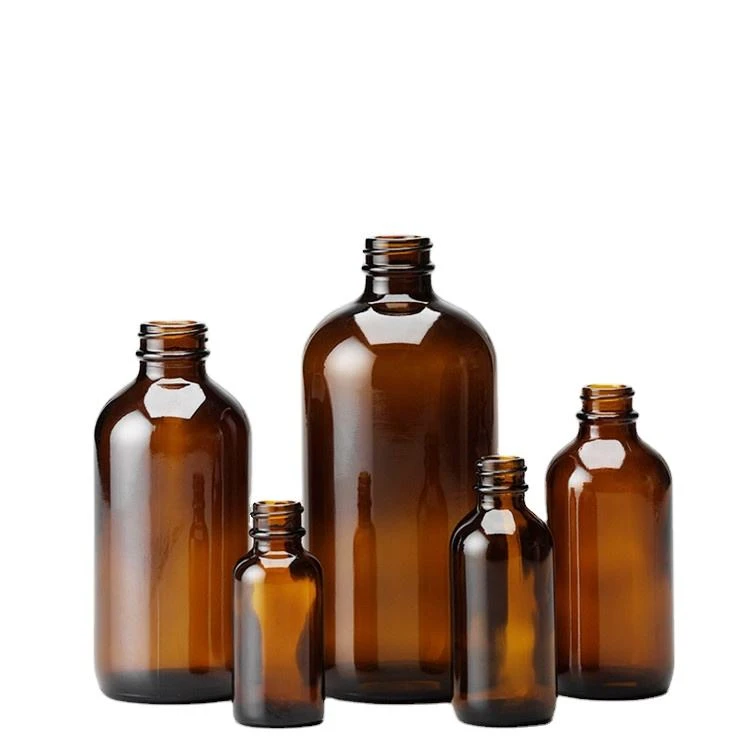
First off, let's get into what the thermal expansion coefficient actually is. In simple terms, it's a measure of how much a material expands or contracts when its temperature changes. Every material has its own unique thermal expansion coefficient, and glass is no exception.
For glass, the thermal expansion coefficient can vary depending on the type of glass. There are different kinds of glass used in making 60 ml glass bottles, like soda - lime glass, borosilicate glass, and so on. Soda - lime glass is one of the most common types used in the production of glass bottles. It's relatively inexpensive and has good forming properties. The thermal expansion coefficient of soda - lime glass is typically around 9 x 10⁻⁶ /°C. This means that for every degree Celsius increase in temperature, a length of soda - lime glass will expand by about 9 parts per million of its original length.
On the other hand, borosilicate glass has a much lower thermal expansion coefficient. It's usually around 3.3 x 10⁻⁶ /°C. This lower coefficient makes borosilicate glass much more resistant to thermal shock. Thermal shock is what happens when a material experiences a sudden and large change in temperature. For example, if you take a cold glass bottle and pour boiling liquid into it, a glass with a high thermal expansion coefficient might crack or shatter because the sudden temperature change causes uneven expansion within the glass.
So, why does the thermal expansion coefficient matter for our 60 ml glass bottles? Well, it has a big impact on how the bottles perform in different situations. If you're using these bottles to store liquids that need to be heated or cooled, the thermal expansion coefficient can affect the integrity of the bottle. For instance, if you're storing a chemical solution that needs to be heated in the bottle, a glass with a high thermal expansion coefficient might not be the best choice. The expansion could cause the bottle to break or the seal to fail, leading to leaks.
Another aspect is in the manufacturing process. During the production of 60 ml glass bottles, the glass goes through various heating and cooling stages. Understanding the thermal expansion coefficient helps in ensuring that the bottles are formed correctly and don't develop cracks or other defects. For example, when the glass is being blown into the bottle shape, the temperature changes need to be carefully controlled to account for the expansion and contraction of the glass.
We also offer Blue Glass Bottle in 60 ml size. The color of the glass can also have a minor impact on the thermal properties. Darker - colored glass, like blue glass, might absorb more heat than clear glass. This could potentially lead to slightly different expansion rates, although the effect is usually small compared to the differences between different types of glass.
If you're in the market for smaller glass bottles, we also have 15ml Glass Bottle. The thermal expansion coefficient principles apply to these smaller bottles as well. However, because of their smaller size, the effects of expansion and contraction might be less noticeable in some cases. But it's still important to consider the thermal properties when using them for specific applications.
When it comes to choosing the right glass bottle for your needs, you need to think about the temperature conditions the bottle will be exposed to. If you're dealing with extreme temperature changes, borosilicate glass might be the way to go. But if the temperature variations are relatively small, soda - lime glass could be a cost - effective option.
We've done a lot of testing on our 60 ml glass bottles to ensure that they meet high - quality standards in terms of thermal performance. We understand that different customers have different requirements, and we're here to help you find the best glass bottle solution. Whether you're in the pharmaceutical industry, the food and beverage industry, or any other field that requires glass bottles, we can provide you with the right product.
If you're interested in learning more about our 60 ml glass bottles or have any questions regarding the thermal expansion coefficient and how it relates to your specific application, don't hesitate to reach out. We're always happy to have a chat and discuss your needs. Our team of experts can provide you with detailed information and help you make an informed decision.
In conclusion, the thermal expansion coefficient of 60 ml glass bottles is an important factor that can't be overlooked. It affects the performance, safety, and durability of the bottles. By understanding this concept and choosing the right type of glass, you can ensure that your products are stored and transported safely. So, if you're in the market for glass bottles, give us a chance to show you what we can offer.
References:
- "Glass Science and Technology" by David R. Uhlmann and Neil J. Kreidl
- Various industry - specific research papers on glass properties and applications.