

Hey there! As a supplier of aluminum caps, I often get asked about the texture of these nifty little things. So, let's dive right in and explore what the texture of aluminum caps is all about.
First off, aluminum caps come in a variety of textures, and it all boils down to their intended use. When you pick up an aluminum cap, the texture can tell you a lot about its function and the industry it's designed for.
One of the most common textures you'll find on aluminum caps is a smooth finish. This smooth texture is not just for looks; it serves a practical purpose. In industries where hygiene is crucial, like the pharmaceutical and food sectors, smooth - surfaced aluminum caps are the go - to choice. A smooth texture makes it easier to clean and sanitize the caps. For example, in the case of Medicinal Aluminum Cap, a smooth finish helps prevent the accumulation of dirt, dust, or bacteria on the surface. This is essential because these caps are used to seal medications, and any contamination could pose a risk to patients.
Manufacturers achieve this smooth texture through a series of processes. After the aluminum is shaped into a cap, it goes through polishing. Polishing removes any rough edges or surface irregularities, leaving behind a shiny, even surface. The smoothness also enhances the cap's appearance, making products look more professional and appealing on the shelves.
On the other hand, some aluminum caps have a textured or ribbed surface. These caps are often used in applications where a better grip is required. Think about the caps on bottles of cleaning products or certain types of beverages. The textured surface makes it easier for consumers to twist the cap on and off. When you're dealing with a slippery bottle or your hands are wet, a ribbed aluminum cap gives you that extra bit of traction.
The ribbing or texturing on these caps is created during the manufacturing process. Special molds are used to imprint the desired pattern onto the aluminum surface while it's still malleable. The depth and spacing of the ribs can vary depending on the specific requirements. For instance, a cap that needs to be opened with one hand might have deeper and more widely spaced ribs to provide a more secure grip.
Another type of texture you might encounter is a matte finish. Matte - textured aluminum caps have a non - reflective surface. They give a more understated and sophisticated look compared to the shiny, smooth caps. In the cosmetic industry, matte aluminum caps are quite popular. They can add a touch of elegance to perfume bottles or high - end skincare products. The matte texture is achieved by treating the aluminum surface with chemicals or abrasives to reduce its reflectivity.
Matte finishes also have practical benefits. They are less likely to show fingerprints and smudges, which is a big plus for products that are handled frequently. This means that the product always looks clean and presentable, even after multiple interactions with consumers.
Now, let's talk about the texture in relation to the cap's durability. The texture of an aluminum cap can affect its resistance to wear and tear. A smooth - polished cap is more prone to scratching. If it's bumped around during shipping or handling, the shiny surface can easily get marred. However, textured caps, especially those with a thick ribbing, are generally more resistant to scratches. The uneven surface distributes the force of an impact over a larger area, reducing the likelihood of a deep scratch.
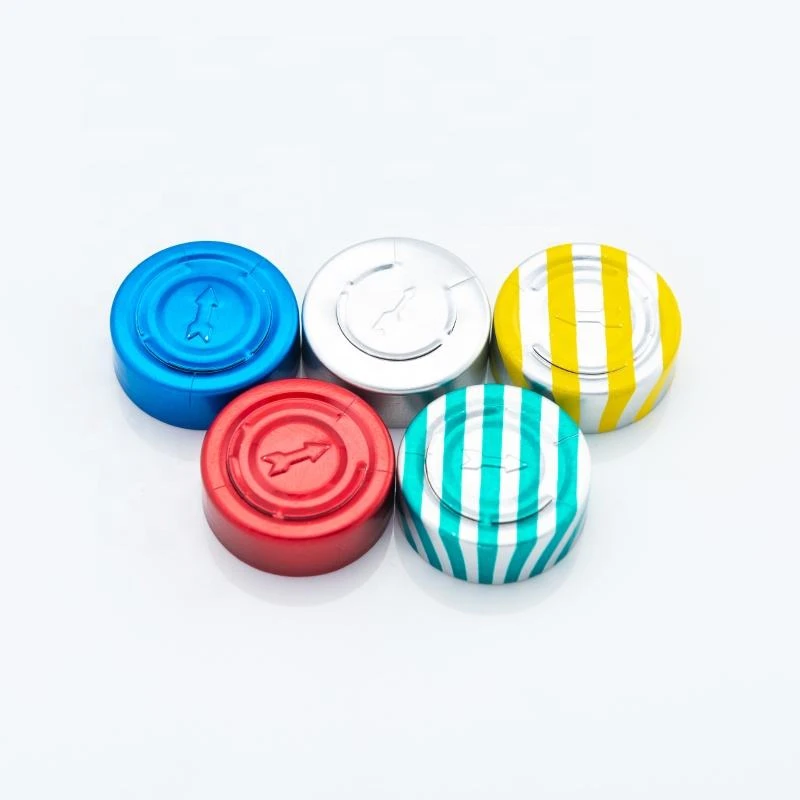
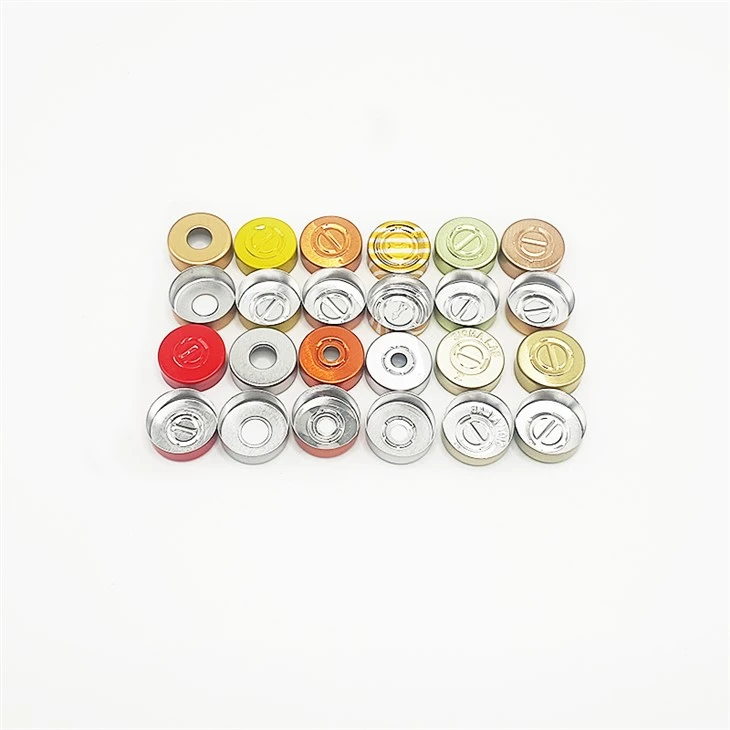
In the case of Aluminum Pilfer Proof Caps, the texture can also play a role in security. These caps are designed to show if a product has been tampered with. Some pilfer - proof caps have a special texture or pattern that is difficult to replicate. This acts as a visual cue for consumers to check if the product is genuine and unopened.
When it comes to the medical field, Medical Aluminum Cover textures are carefully engineered. They need to meet strict standards for both functionality and safety. The texture should not interfere with the sealing process, which is crucial for maintaining the sterility of medical products. At the same time, it should be easy to handle during the filling and capping operations in a medical manufacturing facility.
The choice of texture also depends on the manufacturing process. For example, if a cap is made through a stamping process, the texture might be more limited compared to a cap that is formed using a more advanced machining technique. Machining allows for more precise control over the surface texture, enabling manufacturers to create custom - designed patterns if needed.
In addition to the functional aspects, the texture of aluminum caps can also influence consumer perception. A well - textured cap can make a product seem higher - quality. Consumers often associate a smooth, polished cap with premium products, while a ribbed cap might give the impression of a practical, user - friendly item.
As a supplier, I understand the importance of getting the texture right. Different customers have different needs, and we work closely with them to ensure that the aluminum caps we provide meet their specific requirements. Whether it's a smooth cap for a luxury perfume or a ribbed cap for a household cleaner, we have the expertise to deliver the perfect texture.
If you're in the market for aluminum caps and are interested in learning more about the texture options available, or if you have a specific need for your product, don't hesitate to reach out. We'd love to have a chat and discuss how we can provide the ideal aluminum caps for your business. Whether it's for pharmaceuticals, cosmetics, food, or any other industry, we've got you covered.
References
- "Aluminum Manufacturing Processes" - Industry Handbook
- "Consumer Perception of Product Packaging" - Marketing Research Journal
- "Medical Packaging Standards and Textures" - Medical Packaging Magazine