

Penicillin bottles, also known as vials, are essential containers in the pharmaceutical and medical industries. They are used to store various medications, vaccines, and other injectable substances. As a penicillin bottle supplier, I often receive inquiries about the size range of these bottles. In this blog post, I will explore the different sizes of penicillin bottles, their applications, and how to choose the right size for your specific needs.
Understanding Penicillin Bottle Sizes
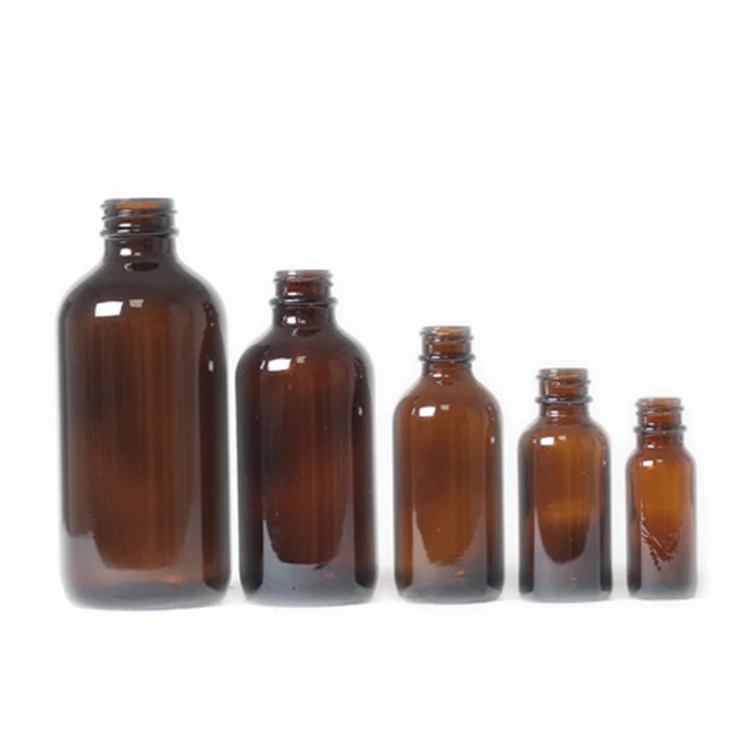
Penicillin bottles come in a wide range of sizes, typically measured in milliliters (ml). The size of a penicillin bottle is determined by its capacity to hold a specific volume of liquid or powder. The most common sizes range from 2 ml to 100 ml, although larger sizes are also available for specialized applications.
Small-Sized Penicillin Bottles (2 ml - 10 ml)
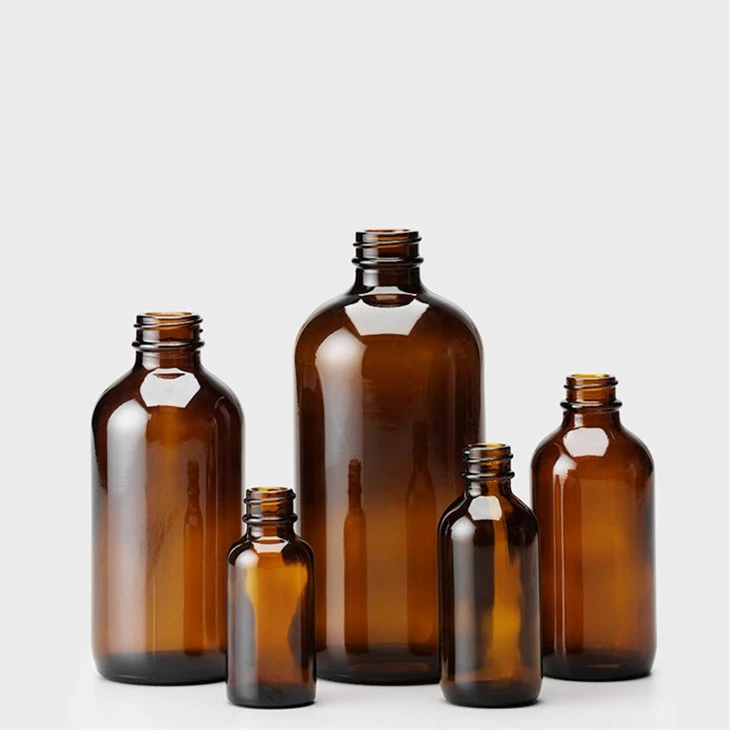
Small-sized penicillin bottles, typically ranging from 2 ml to 10 ml, are commonly used for storing small quantities of medications, such as single-dose vaccines, injectable drugs, and diagnostic reagents. These bottles are often made of clear or amber glass to protect the contents from light and ensure their stability. The small size makes them convenient for use in clinics, hospitals, and research laboratories.
For example, a 2 ml penicillin bottle is ideal for storing small doses of insulin or other injectable medications. It is also commonly used for storing samples for laboratory testing. The 5 ml and 10 ml bottles are slightly larger and can hold more medication, making them suitable for multi-dose applications or for storing larger volumes of liquid.
Medium-Sized Penicillin Bottles (15 ml - 50 ml)
Medium-sized penicillin bottles, ranging from 15 ml to 50 ml, are widely used in the pharmaceutical industry for storing a variety of medications, including antibiotics, analgesics, and anti-inflammatory drugs. These bottles are often used for both single-dose and multi-dose applications and are available in different shapes and designs to meet the specific requirements of the pharmaceutical manufacturer.
A 20 ml penicillin bottle is a popular choice for storing medications and vaccines. It provides a good balance between capacity and size, making it suitable for a wide range of applications. You can find high-quality 20ml Amber Glass Bottle on our website, which offers excellent protection against light and ensures the stability of the contents.
The 30 ml and 50 ml bottles are larger and can hold more medication, making them suitable for storing larger doses of drugs or for multi-dose applications. These bottles are often used in hospitals and clinics for dispensing medications to patients.
Large-Sized Penicillin Bottles (60 ml - 100 ml)
Large-sized penicillin bottles, ranging from 60 ml to 100 ml, are used for storing larger volumes of medications, such as intravenous fluids, bulk drugs, and solutions. These bottles are typically made of thick glass to ensure their durability and to prevent breakage during handling and transportation.
A 100 ml penicillin bottle is often used for storing large volumes of medications or for preparing solutions for intravenous administration. It is also suitable for storing bulk drugs or for use in industrial applications.
Factors to Consider When Choosing Penicillin Bottle Sizes
When choosing the right size of penicillin bottle for your specific needs, several factors should be considered:
Medication Volume
The volume of the medication you need to store is the most important factor to consider when choosing a penicillin bottle size. You should choose a bottle that can hold the entire volume of the medication without leaving too much empty space. This helps to prevent contamination and ensures the stability of the medication.
Dosage Frequency
If the medication is to be administered in multiple doses, you should choose a bottle size that can accommodate the total volume of the medication required for the entire treatment period. This helps to reduce the risk of contamination and ensures that the patient receives the correct dosage of the medication.
Storage Conditions
The storage conditions of the medication also play a role in determining the appropriate bottle size. If the medication needs to be stored in a refrigerator or freezer, you should choose a bottle that is suitable for cold storage. Some medications may also require protection from light, in which case an amber glass bottle may be more appropriate.
Packaging and Labeling Requirements
The packaging and labeling requirements of the medication should also be considered when choosing a penicillin bottle size. The bottle should be able to accommodate the necessary labels and markings, including the medication name, dosage, expiration date, and storage instructions.
Our Product Range
As a penicillin bottle supplier, we offer a wide range of penicillin bottles in different sizes and designs to meet the diverse needs of our customers. Our bottles are made of high-quality glass and are available with various closures, including aluminum caps. You can explore our Glass Bottle with Aluminum Cap collection, which provides excellent protection and a secure seal for your medications.
We also offer Medicine Bottle options that are specifically designed for storing pharmaceutical products. Our medicine bottles are available in different sizes and shapes and can be customized to meet your specific requirements.
Contact Us for Procurement
If you are interested in purchasing penicillin bottles for your pharmaceutical or medical needs, we would be happy to assist you. Our team of experts can help you choose the right size and type of bottle for your specific requirements and provide you with competitive pricing and excellent customer service.
Whether you are a small research laboratory or a large pharmaceutical manufacturer, we have the products and expertise to meet your needs. Contact us today to discuss your procurement requirements and to learn more about our penicillin bottle products.
References
- Pharmaceutical Packaging Handbook, Edited by Gordon L. Amidon, Patrick B. DeLuca, and Hans E. Beringer.
- Handbook of Pharmaceutical Excipients, Edited by Raymond C. Rowe, Paul J. Sheskey, and Marian E. Quinn.