

When it comes to the world of glass containers, blue glass bottles stand out not only for their aesthetic appeal but also for their practical properties, especially their resistance to acids. As a dedicated supplier of blue glass bottles, I've delved deep into understanding the science behind their acid - resistance and the implications it has for various industries.
The Composition of Blue Glass Bottles
Blue glass bottles are primarily made from silica (SiO₂), which forms the basic structure of the glass. Along with silica, other components such as soda ash (Na₂CO₃) and lime (CaO) are added to lower the melting point of silica and improve the durability of the glass. The blue color is usually achieved by adding cobalt oxide (CoO) to the glass mixture.
The unique combination of these elements gives blue glass its characteristic properties. Silica is highly resistant to most chemical attacks, including acids. Soda ash acts as a flux, helping the silica to melt at a lower temperature during the manufacturing process, while lime provides chemical stability to the glass. Cobalt oxide, apart from giving the blue color, also contributes to the overall chemical resistance of the glass by modifying the glass network structure.
Acid Resistance Mechanisms
The acid resistance of blue glass bottles can be attributed to several factors. First, the strong covalent bonds within the silica network make it difficult for acid molecules to break through and react with the glass. When an acid comes into contact with the glass surface, the hydrogen ions (H⁺) in the acid try to displace the metal ions in the glass. However, the silica network acts as a barrier, preventing the acid from easily penetrating the glass structure.
Second, the presence of other metal oxides like lime and cobalt oxide in the glass matrix further enhances the acid resistance. These metal oxides form a protective layer on the glass surface, which can react with the acid to some extent, but at a much slower rate compared to the silica network. This layer acts as a buffer, reducing the direct contact between the acid and the underlying silica structure.
Testing the Acid Resistance
To ensure the quality and acid resistance of our blue glass bottles, we conduct a series of rigorous tests. One common test is the powder test, where a sample of the glass is ground into a fine powder and then exposed to a specific acid solution for a set period. The weight loss of the powder after the test is measured, which gives an indication of the glass's acid resistance.
We also perform surface tests, where the intact glass bottles are filled with an acid solution and stored at a controlled temperature for a certain duration. After the storage period, the glass surface is examined for any signs of corrosion, such as etching or discoloration. These tests help us to determine the maximum concentration of acid that our blue glass bottles can withstand and the appropriate storage conditions for different acid - containing products.
Applications in Different Industries
Pharmaceutical Industry
In the pharmaceutical industry, acid - resistant blue glass bottles are crucial for storing various medications. Many drugs are formulated in acidic solutions to improve their stability and efficacy. For example, some antibiotics and anti - inflammatory drugs are acidic in nature. Our blue glass bottles provide a reliable container that can prevent the acid from reacting with the container and altering the quality of the medication. You can find a wide range of suitable vials and caps for pharmaceutical use at Pharmacy Vials and Caps.
Chemical Industry
The chemical industry also benefits greatly from the acid resistance of blue glass bottles. They are used to store a variety of acids, such as acetic acid, citric acid, and phosphoric acid. These acids are commonly used in chemical synthesis, food processing, and water treatment. Our blue glass bottles ensure that the acids are stored safely without the risk of leakage or degradation due to corrosion.
Cosmetic Industry
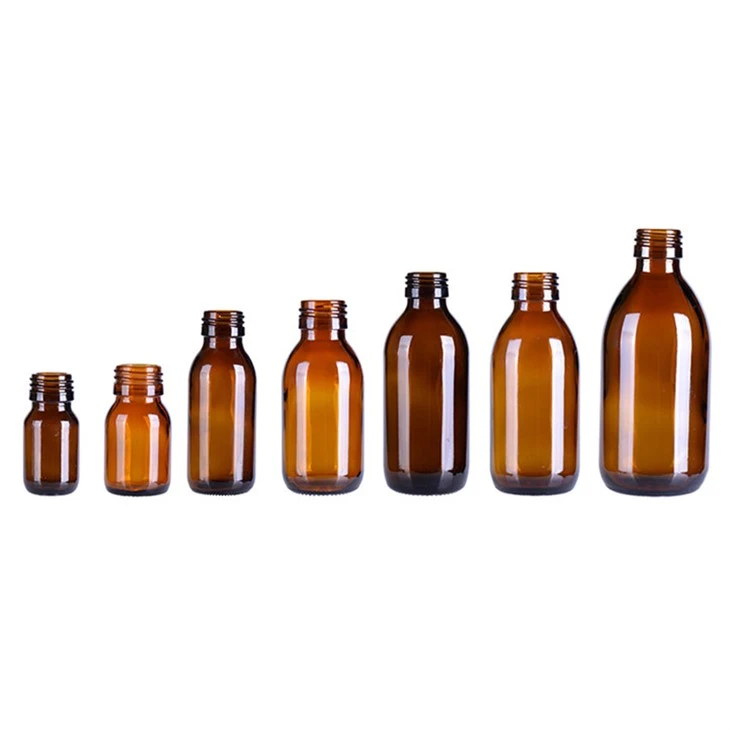
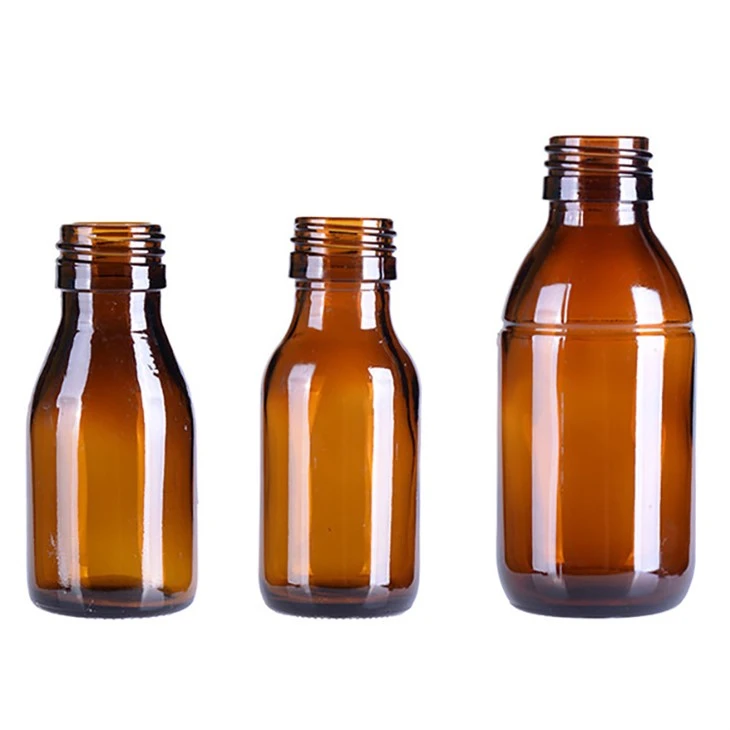
In the cosmetic industry, many products contain acidic ingredients, such as alpha - hydroxy acids (AHAs) and beta - hydroxy acids (BHAs), which are used for skin exfoliation and rejuvenation. Our blue glass bottles can safely store these acidic cosmetic products, protecting them from contamination and maintaining their quality over time. The 20ml Amber Glass Bottle Medicine can also be a great option for some cosmetic formulations that require a smaller volume and light - protection.
Limitations and Considerations
While blue glass bottles have excellent acid resistance, there are some limitations. Highly concentrated hydrofluoric acid (HF) can react with the silica in the glass, causing severe corrosion. Therefore, blue glass bottles should not be used to store hydrofluoric acid or other extremely corrosive acids.
Also, the acid resistance can be affected by factors such as temperature, pressure, and the duration of contact with the acid. Higher temperatures can accelerate the reaction between the acid and the glass, reducing the acid resistance. Similarly, prolonged exposure to acid can gradually wear down the protective layer on the glass surface, increasing the risk of corrosion.
Conclusion
As a supplier of blue glass bottles, we take pride in offering products with high acid resistance. Our blue glass bottles are not only beautiful but also reliable containers for a wide range of acid - containing products in various industries. Whether you are in the pharmaceutical, chemical, or cosmetic industry, our blue glass bottles can meet your storage needs.
If you are interested in our blue glass bottles or have any questions about their acid resistance, we encourage you to reach out to us for further discussion. We are more than happy to assist you in finding the right glass bottle solutions for your specific requirements. You can also explore our 1ml Glass Bottle for smaller - volume applications.
References
- "Handbook of Glass Properties" by D. R. Uhlmann and N. J. Kreidl
- "Introduction to Glass Science and Technology" by W. A. Weyl
- ASTM International standards for glass testing