

Hey there! As a supplier of pharmaceutical caps, I'm stoked to chat with you about the various packaging methods for these crucial little components. Pharmaceutical caps aren't just random pieces; they play a super important role in ensuring the safety, quality, and integrity of medications. So, let's dive right in and explore the different ways we package these caps.
Primary Packaging Considerations
First off, we gotta understand the primary purpose of packaging pharmaceutical caps. It's all about protecting them from damage, contamination, and environmental factors like moisture, dust, and light. The packaging needs to be robust enough to withstand the rigors of transportation and storage while keeping the caps in pristine condition.
One of the most common primary packaging methods we use is blister packs. Blister packs are made up of a plastic sheet with pre - formed cavities where the caps are placed. Then, a lidding material, usually aluminum foil, is sealed over the cavities. This type of packaging is great because it provides a high level of protection. The plastic shell shields the caps from physical damage, and the aluminum foil acts as a barrier against moisture and oxygen. Plus, blister packs are transparent, so it's easy to see the caps inside, which is handy for quality control.
Another popular option is plastic trays. These are like shallow boxes made of plastic, and they can be customized to fit the exact shape and size of the caps. Plastic trays offer good protection and are stackable, which makes them efficient for storage and shipping. We can also add dividers to the trays to separate individual caps, reducing the risk of them rubbing against each other and getting scratched.
Secondary Packaging
Once the caps are in their primary packaging, we move on to secondary packaging. This is mainly for grouping multiple primary packages together and providing additional protection during transportation.
Corrugated cardboard boxes are a staple in secondary packaging. They're strong, lightweight, and relatively inexpensive. We can print all sorts of information on the boxes, like the product name, quantity, and handling instructions. Cardboard boxes also have the advantage of being recyclable, which is a big plus in today's environmentally - conscious world.
For larger shipments, we sometimes use wooden crates. Wooden crates are extremely durable and can handle heavy loads. They're especially useful when transporting caps overseas, as they can withstand the rough handling and long - distance travel. However, wooden crates are more expensive and heavier than cardboard boxes, so we usually reserve them for special cases.
Specialized Packaging for Different Types of Caps
Now, let's talk about how we package specific types of pharmaceutical caps.
Tear Off Cap
The Tear Off Cap is a unique design that's commonly used for single - use medications. These caps need to be packaged in a way that preserves their tear - off feature. We often use individual blister packs for tear - off caps. The blister packs are designed to hold the cap securely without putting too much pressure on the tear - off area. This ensures that the cap remains easy to tear off when the end - user needs to open the medication bottle.
Aluminum Plastic Trim Cap
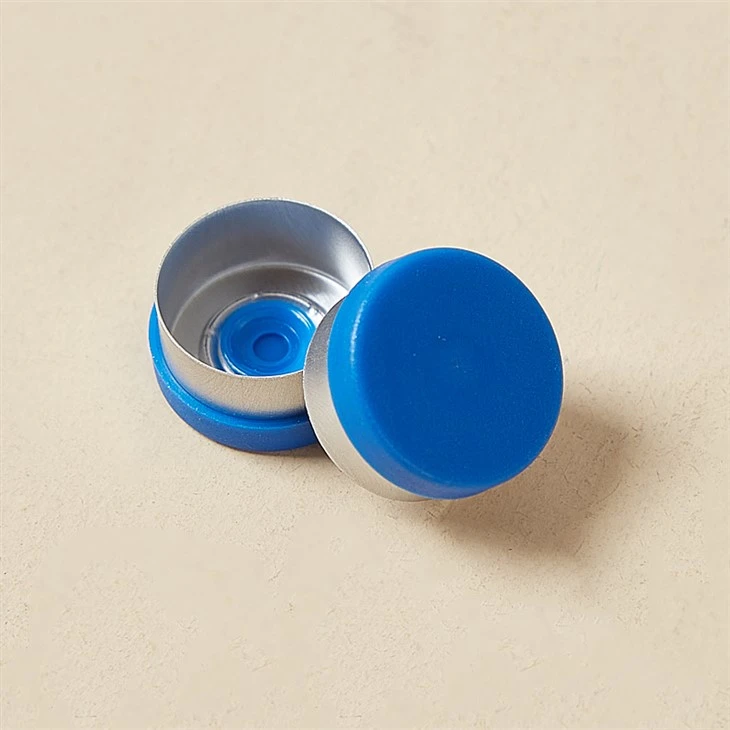
The Aluminum Plastic Trim Cap combines the strength of aluminum with the flexibility of plastic. When packaging these caps, we focus on protecting the plastic part from scratches and the aluminum from corrosion. We use plastic trays lined with soft foam to cushion the caps. This foam layer not only protects the caps during transit but also helps maintain their shape.
Antibiotic Bottle Cap
The Antibiotic Bottle Cap has to meet strict hygiene standards because it's used on bottles containing antibiotics. We use a combination of primary and secondary packaging to ensure the caps remain sterile. The caps are first placed in individual sterile pouches, which are then grouped together in plastic trays. These trays are then packed into sealed cardboard boxes, and we can even add desiccants to the boxes to keep the humidity levels low.
Quality Control in Packaging
Quality control is a crucial part of the packaging process. We have strict procedures in place to make sure that every cap is properly packaged. Before we start packaging, we inspect the caps for any defects, like cracks or misaligned parts. Once the caps are in their primary packaging, we check again to ensure that they're secure and that the packaging is intact.
During the secondary packaging process, we verify that all the information on the boxes is correct and that the packages are properly sealed. We also conduct regular audits of our packaging facilities to make sure they meet all the necessary regulatory requirements.
Sustainability in Packaging
In recent years, there's been a growing emphasis on sustainability in packaging. We're constantly looking for ways to reduce our environmental impact. For example, we're exploring more eco - friendly materials for our primary and secondary packaging. We're testing biodegradable plastics for blister packs and trays, and we're also looking into using more recycled cardboard for our boxes.
Specific Packaging for Different Cap Materials
The material of the pharmaceutical cap also influences the packaging method. For example, plastic caps are generally more flexible and less prone to breakage compared to metal caps. So, for plastic caps, we can use thinner and lighter primary packaging, like thin - walled plastic trays. These trays still provide enough protection while using less material.
Metal caps, on the other hand, are more likely to rust or corrode if exposed to moisture. That's why we often use moisture - resistant packaging materials, such as aluminum - lined pouches, for metal caps. These pouches create a barrier that keeps moisture out and helps preserve the quality of the metal caps.
Customized Packaging
We understand that different customers may have different requirements for packaging. Some may need custom - printed boxes with their company logo, while others may require special packaging for a new product launch. That's why we offer customized packaging solutions. We work closely with our customers to understand their needs and come up with the best packaging options. Whether it's a unique shape for a tray or a special printing design on a box, we can make it happen.
Conclusion
Well, there you have it – a rundown of the various packaging methods for pharmaceutical caps. As a supplier, we're always looking for ways to improve our packaging to ensure the safety and quality of our products. Whether it's through using the latest materials or innovative designs, we're committed to providing the best packaging solutions for our customers.
If you're in the market for pharmaceutical caps and want to discuss packaging options or have any other questions, don't hesitate to reach out. We're here to help you find the perfect caps and packaging for your needs. Let's start a conversation and see how we can work together!
References
- Packaging Technology Handbook for the Pharmaceutical Industry
- Pharmaceutical Packaging: Principles and Practice