

As a seasoned supplier in the medicine bottle industry, I've often been asked about the maximum pressure a medicine bottle can withstand. This is a crucial question, especially considering the diverse range of medications and storage conditions they need to endure. In this blog post, I'll delve into the factors that determine a medicine bottle's pressure tolerance, explore different types of medicine bottles, and provide insights based on my years of experience in the field.
Factors Affecting Pressure Tolerance
The maximum pressure a medicine bottle can withstand is influenced by several key factors. First and foremost is the material of the bottle. Glass, plastic, and other materials have different inherent properties that affect their pressure resistance.
Glass Bottles
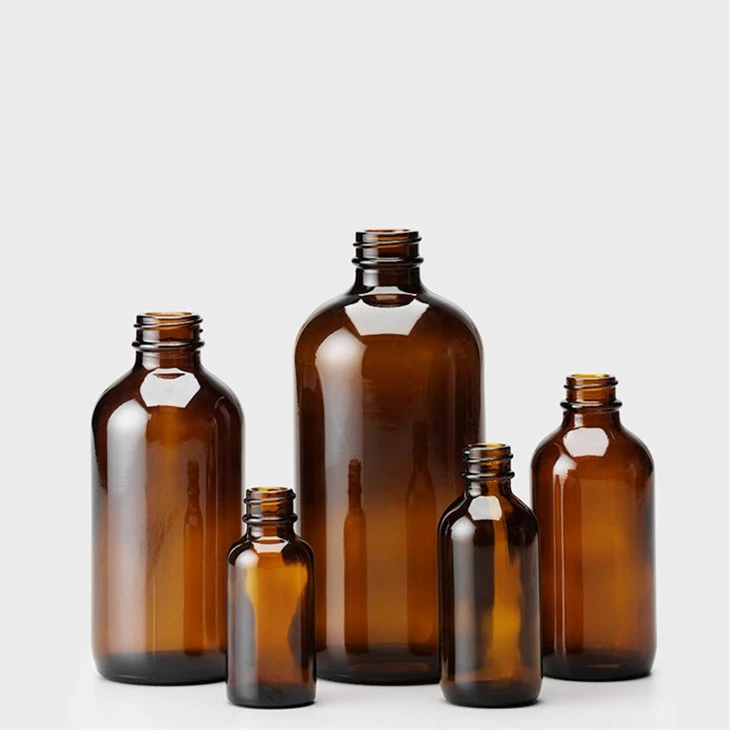
Glass is a popular choice for medicine bottles due to its inertness, transparency, and ability to preserve the integrity of the medication. Glass bottles can generally withstand relatively high pressures. The thickness of the glass plays a significant role in determining its pressure tolerance. Thicker glass walls provide more structural support and can resist higher pressures without breaking. For example, Pharmacy Medicine Bottles made of high - quality glass are designed to meet the stringent requirements of the pharmaceutical industry. These bottles are often used for storing tablets, capsules, and liquid medications.
Another factor is the type of glass. Borosilicate glass, for instance, has excellent thermal and chemical resistance and can withstand higher pressures compared to soda - lime glass. It is commonly used in Glass Injection Vials because it can handle the pressures associated with filling and sealing processes, as well as the potential pressure changes during storage and transportation.
Plastic Bottles
Plastic bottles are lightweight, shatter - resistant, and cost - effective. However, their pressure tolerance is generally lower than that of glass bottles. The type of plastic resin used is a critical factor. Polyethylene terephthalate (PET), high - density polyethylene (HDPE), and polypropylene (PP) are commonly used plastics in medicine bottle manufacturing.
PET bottles are known for their clarity and good gas barrier properties. They can withstand moderate pressures, but they are more susceptible to deformation under high pressure compared to glass. HDPE and PP bottles are more rigid and can handle slightly higher pressures. However, extreme pressure can still cause them to crack or burst.
Design and Shape
The design and shape of the medicine bottle also impact its pressure resistance. Bottles with a cylindrical shape are generally more structurally stable and can distribute pressure more evenly compared to bottles with irregular shapes. The presence of ribs, ridges, or other structural reinforcements can enhance the bottle's ability to withstand pressure. For example, some medicine bottles have a corrugated design on the sides, which increases their strength and pressure tolerance.
The closure system of the bottle is another important aspect. A well - designed closure can help maintain the internal pressure of the bottle and prevent leakage. Screw caps, snap - on caps, and child - resistant closures all play a role in ensuring the bottle's integrity under pressure.
Testing the Pressure Tolerance
To determine the maximum pressure a medicine bottle can withstand, various testing methods are employed. One common method is the hydrostatic pressure test. In this test, the bottle is filled with water and subjected to increasing pressure until it fails. The pressure at which the bottle breaks or leaks is recorded as its maximum pressure tolerance.
Another test is the burst test, which is often used for plastic bottles. The bottle is pressurized rapidly until it bursts, and the burst pressure is measured. These tests are conducted in a controlled laboratory environment to ensure accurate and reliable results.
Real - World Applications
In the pharmaceutical industry, understanding the pressure tolerance of medicine bottles is essential for ensuring the safety and efficacy of medications. During the filling process, the bottles are often subjected to pressure changes as they are filled with liquid or powder medications. If the bottle cannot withstand the pressure, it can lead to leakage, contamination, or product damage.
For example, 20ml Amber Glass Bottle is commonly used for storing light - sensitive medications. These bottles need to be able to withstand the pressure changes during the filling process and also maintain their integrity during long - term storage. The amber color of the glass helps protect the medication from light, while the bottle's pressure tolerance ensures that the medication remains safe and effective.
During transportation, medicine bottles are exposed to various environmental conditions, including changes in altitude and temperature. These changes can cause pressure fluctuations inside the bottle. A bottle with a high pressure tolerance is more likely to survive these conditions without damage.
Importance of Choosing the Right Medicine Bottle
Selecting the right medicine bottle with an appropriate pressure tolerance is crucial for pharmaceutical companies. Using a bottle that cannot withstand the expected pressure can result in product recalls, which are costly and can damage the company's reputation.
On the other hand, choosing a bottle with excessive pressure tolerance may lead to unnecessary costs. For example, using a high - end borosilicate glass bottle for a medication that does not require such high - pressure resistance may increase the production cost without providing any additional benefits.
Contact for Procurement
If you are in the pharmaceutical industry and are looking for high - quality medicine bottles with the right pressure tolerance, we are here to help. Our company offers a wide range of medicine bottles, including glass and plastic options, to meet your specific needs. We have extensive experience in the industry and can provide you with expert advice on choosing the most suitable bottle for your medications.
Whether you need Pharmacy Medicine Bottles, Glass Injection Vials, or 20ml Amber Glass Bottle, we can offer you competitive prices and excellent customer service. Contact us today to discuss your procurement requirements and start a fruitful business partnership.

References
- "Handbook of Pharmaceutical Glass Packaging" by John W. McGinity
- "Plastics in Medical Devices: Properties, Requirements, and Applications" by David M. Bigg
- "Pharmaceutical Packaging Technology" by Andrew T. Florence and Simon J. Carless