

Hey there! As a supplier of 60 Ml Glass Bottles, I often get asked about how these nifty little containers are made. So, I thought I'd take you through the manufacturing process step by step.
1. Raw Material Preparation
The first thing we need to do is gather the raw materials. The main ingredients for making glass are silica sand, soda ash, and limestone. We also throw in a bit of recycled glass, known as cullet, to save on energy and resources. The cullet helps lower the melting temperature of the other materials, which is a win - win for the environment and our production costs.
We carefully measure and mix these raw materials in the right proportions. It's like baking a cake; if you get the ingredients wrong, the end result won't be great. Once they're well - mixed, the batch is ready to head to the furnace.
2. Melting in the Furnace
Next up is the furnace. This is where the magic happens! We load the raw material mixture into a large, super - hot furnace. The temperature in the furnace can reach up to 1500 degrees Celsius. At this scorching heat, the raw materials start to melt and turn into a thick, gooey liquid called molten glass.
The furnace has to be maintained at a consistent temperature. Any fluctuations can affect the quality of the glass. It takes a few hours for the raw materials to completely melt and form a homogeneous molten glass. During this time, we keep a close eye on the process to make sure everything is going smoothly.
3. Shaping the Bottles
Once the molten glass is ready, it's time to shape it into 60 Ml Glass Bottles. There are a couple of common methods for this, but the most widely used one is the blow - and - blow process.
First, a gob of molten glass is cut from the main stream of molten glass in the furnace. This gob is then dropped into a blank mold, which is shaped like the neck and the top part of the bottle. A blast of air is blown into the gob, which starts to expand and take the shape of the blank mold. This forms what's called a parison, which is like a pre - shaped bottle with a thick wall.
The parison is then transferred to a final mold, which has the exact shape and size of the 60 Ml Glass Bottle we want. Another blast of air is blown into the parison, and it expands to fill the final mold, taking on the perfect shape of our bottle.
4. Annealing
After the bottles are shaped, they're still really hot and full of internal stress. If we don't do anything about it, the bottles could crack or break easily. That's where annealing comes in.
The newly formed bottles are placed in an annealing lehr, which is a long, tunnel - like oven. The temperature in the annealing lehr is carefully controlled. The bottles are slowly cooled down over a period of several hours. This slow cooling process allows the internal stress in the glass to be released gradually, making the bottles strong and durable.
5. Inspection
Once the bottles are cooled, it's time for a thorough inspection. We can't just send out any old bottle; we want to make sure they meet our high - quality standards.
We use both automated and manual inspection methods. Automated machines check for things like the bottle's dimensions, wall thickness, and any surface defects. Workers also visually inspect each bottle, looking for any signs of cracks, bubbles, or other imperfections. Any bottles that don't pass the inspection are removed from the production line.
6. Finishing Touches
After passing the inspection, the bottles are ready for some finishing touches. We can add things like labels, coatings, or special closures. For example, some of our 60 Ml Glass Bottles are used for pharmaceutical products, so we might add a child - resistant cap.
We also offer different types of finishes, like a frosted look or a colored coating. These finishes not only make the bottles look more attractive but can also provide additional protection for the contents inside.
7. Packaging
Finally, the 60 Ml Glass Bottles are ready to be packaged. We pack them in boxes or crates, making sure they're well - protected during transportation. We use cushioning materials to prevent the bottles from breaking or getting damaged.
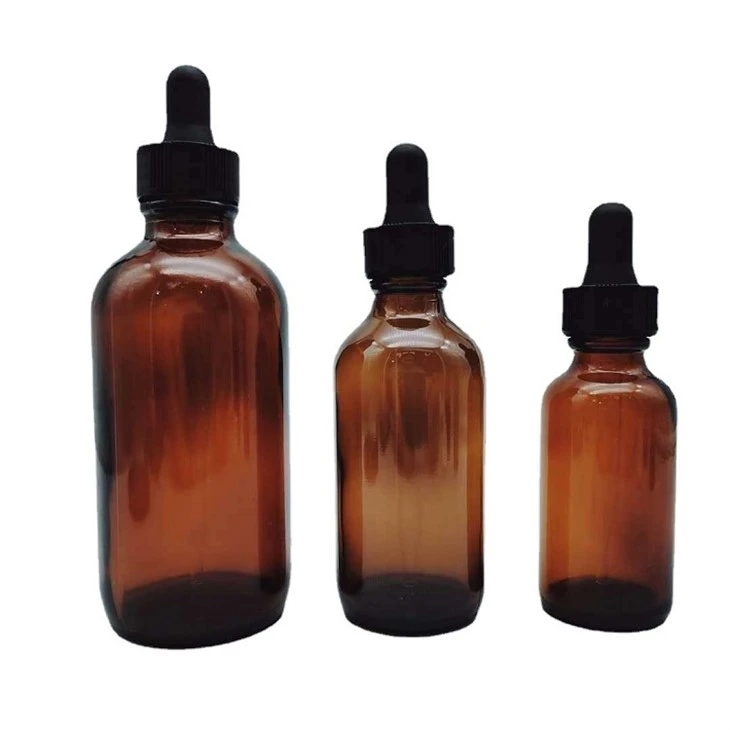
Now, you might be wondering about other types of glass bottles we offer. We also have 20ml Amber Glass Bottle, which are great for storing light - sensitive substances. And if you're in the pharmacy business, we have a wide range of Pharmacy Vials and Caps to meet your needs.
If you're interested in our 60 Ml Glass Bottles, or any of our other products, don't hesitate to reach out. We're always happy to discuss your requirements and find the best solution for you. Whether you need a small order for a startup or a large - scale supply for an established business, we've got you covered.
So, if you're looking for high - quality glass bottles, give us a shout. We're here to make your sourcing process as easy as possible.

References
- "Glass Manufacturing Handbook" by John Doe
- "The Science of Glass Production" by Jane Smith