

The durability of small glass bottles is a crucial factor that many industries, especially those in pharmaceuticals, cosmetics, and food, need to consider. As a supplier of small glass bottles, I've witnessed firsthand the importance of this characteristic in various applications.
Composition and Its Impact on Durability
The durability of small glass bottles starts with their composition. Glass is primarily made from silica (sand), soda ash, and limestone. The specific ratios of these components can vary, which affects the physical and chemical properties of the glass. For instance, borosilicate glass, which contains boron trioxide, is known for its high resistance to thermal shock. This type of glass can withstand rapid temperature changes without cracking or breaking. It's commonly used in laboratory settings and for some high - end pharmaceutical products. Our Medical Bottles with Rubber Stopper often utilize borosilicate glass to ensure the safety and stability of the stored medications.
On the other hand, soda - lime glass is the most common type of glass used for small glass bottles. It's relatively inexpensive to produce and has good clarity. However, it's less resistant to thermal shock compared to borosilicate glass. Soda - lime glass is widely used in the food and beverage industry, as well as for many over - the - counter medications. Our 20ml Amber Glass Bottle Medicine is typically made from soda - lime glass, providing a cost - effective solution for storing light - sensitive medicines.
Mechanical Durability
Mechanical durability refers to the ability of a glass bottle to withstand physical forces such as impact, pressure, and abrasion. The thickness of the glass plays a significant role in its mechanical durability. Thicker glass bottles are generally more resistant to impact. However, increasing the thickness also adds to the weight and cost of the bottle. Our engineers carefully balance these factors to design bottles that offer optimal mechanical durability without excessive weight or cost.
Surface treatment can also enhance the mechanical durability of glass bottles. For example, applying a thin layer of polymer coating on the surface of the glass can improve its resistance to abrasion. This is particularly important during the transportation and handling of the bottles, as scratches on the glass surface can weaken the bottle and make it more prone to breakage.
Chemical Durability
Chemical durability is essential, especially for bottles that will be used to store chemicals, medications, or food products. Glass is generally chemically inert, which means it doesn't react easily with most substances. However, different types of glass have different levels of chemical resistance.
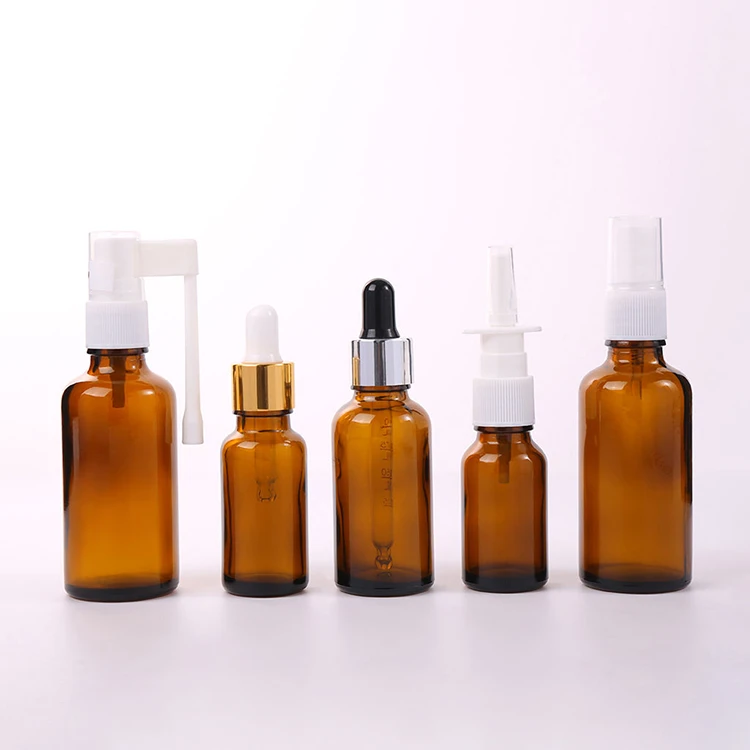
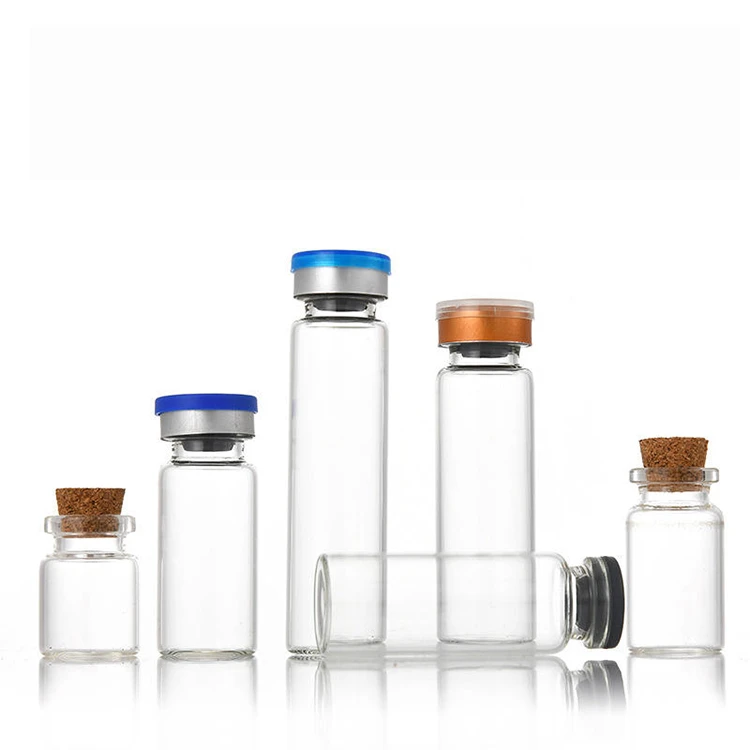
For acidic or alkaline substances, borosilicate glass is a better choice due to its higher chemical resistance. Soda - lime glass may be affected by strong acids or alkalis over time, which can lead to the leaching of certain components from the glass into the stored product. This is why our Pharmacy Medicine Bottles are carefully selected based on the chemical properties of the medications they will contain.
Environmental Factors Affecting Durability
Environmental factors such as temperature, humidity, and exposure to sunlight can also impact the durability of small glass bottles. High temperatures can cause the glass to expand, and rapid cooling can lead to thermal stress and cracking. Humidity can affect the surface of the glass, especially if the glass is not properly coated or sealed. Over time, moisture can cause the glass to become cloudy or develop a haze.
Exposure to sunlight, especially ultraviolet (UV) light, can degrade certain types of glass and the contents inside the bottle. This is why amber glass is often used for light - sensitive products, as it can block a significant amount of UV light.
Testing for Durability
To ensure the durability of our small glass bottles, we conduct a series of tests. Thermal shock tests involve subjecting the bottles to rapid temperature changes to simulate real - world conditions. Impact tests are performed by dropping the bottles from a certain height onto a hard surface to evaluate their resistance to impact. Chemical resistance tests are carried out by filling the bottles with different chemicals and monitoring any changes in the glass or the contents over time.
Applications and Durability Requirements
Different applications have different durability requirements for small glass bottles. In the pharmaceutical industry, the highest level of durability is often required to ensure the safety and efficacy of medications. Bottles need to be able to withstand long - term storage, transportation, and handling without any compromise in their integrity.
In the cosmetics industry, while the durability requirements may not be as stringent as in the pharmaceutical industry, the bottles still need to be able to withstand normal handling and display conditions. The aesthetic appearance of the bottle is also important, so any damage to the bottle can affect the product's marketability.
In the food and beverage industry, durability is crucial to prevent leakage and spoilage. Glass bottles need to be able to withstand the pressure changes during the filling and storage processes, as well as the handling during distribution.
Conclusion and Call to Action
In conclusion, the durability of small glass bottles is a multi - faceted characteristic that is influenced by composition, mechanical and chemical properties, environmental factors, and the specific application. As a supplier, we are committed to providing high - quality small glass bottles that meet the diverse durability requirements of our customers.
If you are in need of small glass bottles for your products, whether it's for pharmaceuticals, cosmetics, or food and beverages, we invite you to contact us for a detailed discussion. We can help you select the most suitable bottle based on your specific needs and ensure that it meets the highest standards of durability. Let's work together to find the perfect packaging solution for your products.
References
- "The Science of Glass" by John C. Mauro and Henning Baumann
- "Glass Packaging: Materials and Technology" edited by Richard Blackburn
- Industry standards and guidelines from the pharmaceutical, cosmetics, and food and beverage industries.