

Hey there! As a supplier of rubber vial stoppers, I've been getting a lot of questions lately about the difference between natural and synthetic rubber vial stoppers. So, I thought I'd take a moment to break it down for you.
First off, let's talk about natural rubber. Natural rubber is, well, natural! It's derived from the latex sap of the Hevea brasiliensis tree. This type of rubber has been around for ages and has some pretty cool properties. For starters, it's super flexible and elastic. That means it can easily conform to the shape of the vial, creating a tight seal. It's also resistant to tearing, which is great because you don't want your stopper falling apart when you're trying to use it.
One of the big advantages of natural rubber is its high level of biocompatibility. This makes it a popular choice in the medical industry. Medical Rubber Stopper made from natural rubber are often used in pharmaceutical vials to store drugs and vaccines. The body is less likely to have an adverse reaction to natural rubber, which is crucial when it comes to medical applications.
However, natural rubber isn't without its drawbacks. It's sensitive to heat, light, and oxygen. Over time, exposure to these elements can cause the rubber to degrade, losing its elasticity and becoming brittle. This can lead to leaks in the vial, which is a major no - no, especially in the medical field. Also, some people are allergic to natural rubber, which can limit its use in certain applications.
Now, let's switch gears and talk about synthetic rubber. Synthetic rubber is man - made. There are different types of synthetic rubber, but the most common ones used for vial stoppers are butyl rubber and silicone rubber.
Butyl rubber is a great option for vial stoppers. It has excellent chemical resistance, which means it can withstand contact with a wide range of substances without degrading. This makes it ideal for storing chemicals and pharmaceuticals. 13mm Grey Butyl Rubber Stoppers are a popular choice for smaller vials. Butyl rubber also has low gas permeability, which helps to keep the contents of the vial fresh and protected from outside air.
Silicone rubber is another type of synthetic rubber used for vial stoppers. It's known for its high temperature resistance and flexibility. Silicone rubber stoppers can be used in applications where the vial may be exposed to extreme temperatures, such as in some laboratory settings.
One of the biggest advantages of synthetic rubber is its consistency. Since it's man - made, manufacturers can control the properties of the rubber more precisely. This means that every stopper will have the same quality and performance characteristics. Synthetic rubber is also generally more resistant to environmental factors compared to natural rubber. It won't degrade as quickly when exposed to heat, light, or oxygen.
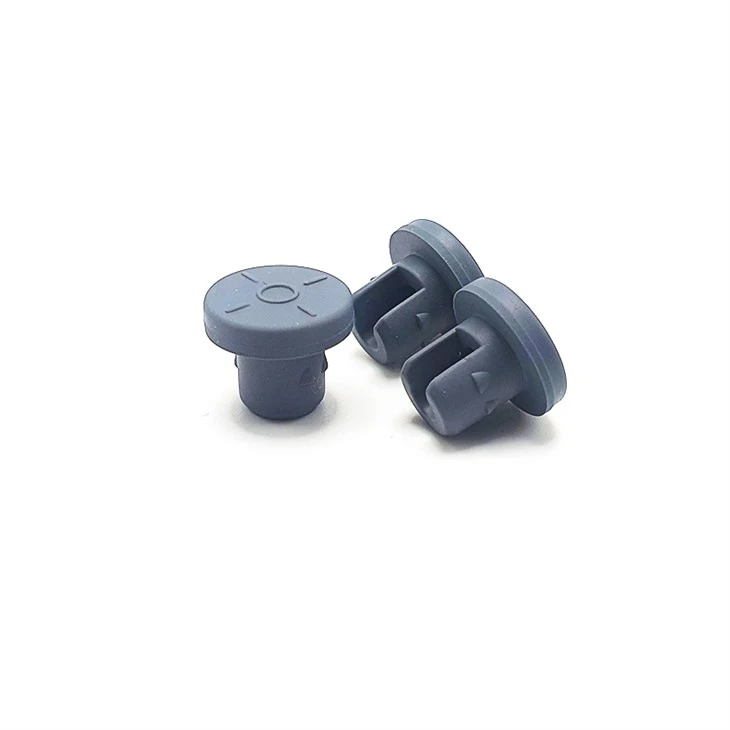
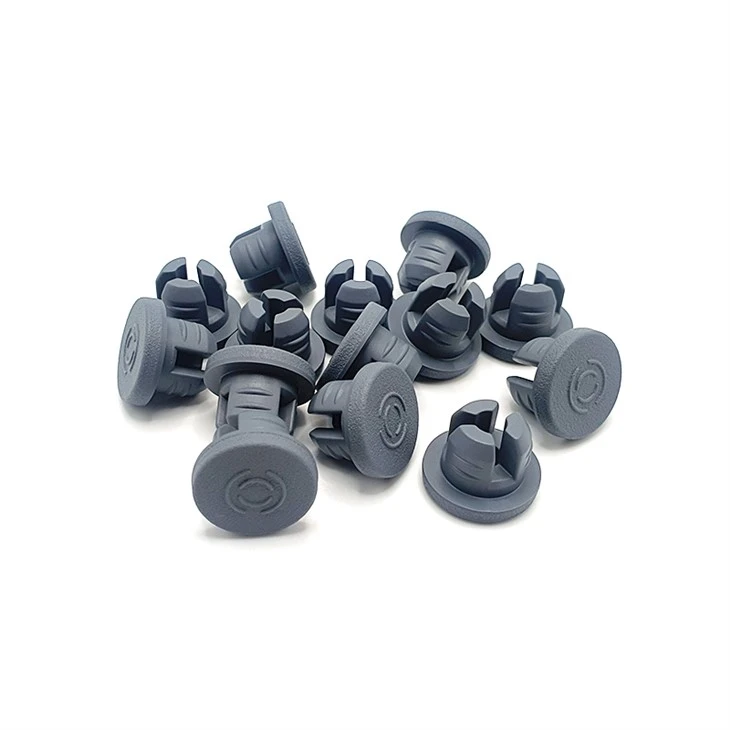
However, synthetic rubber does have a few downsides. It can be more expensive to produce than natural rubber, which can drive up the cost of the stoppers. Also, some synthetic rubbers may not be as soft or flexible as natural rubber, which could potentially affect the seal quality in some cases.
When it comes to choosing between natural and synthetic rubber vial stoppers, it really depends on your specific needs. If you're in the medical industry and need a biocompatible option with good flexibility, natural rubber might be the way to go. But if you need a stopper that can withstand harsh chemicals, has low gas permeability, and is more resistant to environmental factors, synthetic rubber is probably a better choice.
We offer a wide range of Rubber Stopper 20mm and other sizes in both natural and synthetic rubber. Whether you're a pharmaceutical company, a chemical laboratory, or any other business that needs reliable vial stoppers, we've got you covered.
If you're interested in learning more about our products or have any questions about which type of rubber stopper is right for you, don't hesitate to reach out. We're here to help you make the best decision for your needs. Contact us to start the procurement process and let's work together to find the perfect vial stoppers for your applications.
References
- "Rubber Technology Handbook" by Werner Hofmann
- "Handbook of Elastomers" by Fred E. Goodrich