

As a professional rubber stopper supplier, I often encounter customers who are confused about the differences between natural and synthetic rubber stoppers. In this blog, I'll delve into the key disparities between these two types of rubber stoppers, helping you make informed decisions for your specific needs.
Composition and Source
Natural rubber stoppers are derived from the latex of the Hevea brasiliensis tree. The latex is harvested through a process called tapping, where an incision is made in the tree bark, allowing the milky - white latex to flow out. This natural material has unique molecular properties, with long - chain polymers that give it excellent elasticity and flexibility.
On the other hand, synthetic rubber stoppers are man - made in laboratories. They are produced through chemical synthesis, using various monomers and catalysts. Common types of synthetic rubbers used for stoppers include butyl rubber, silicone rubber, and neoprene. Each type of synthetic rubber has its own specific chemical composition, which determines its physical and chemical properties.
Physical Properties
Elasticity
Natural rubber stoppers are well - known for their high elasticity. They can be stretched to several times their original length and return to their original shape with minimal deformation. This property makes them ideal for applications where a tight seal is required, as they can easily conform to the shape of the container opening. For example, in some traditional pharmaceutical vials, natural rubber stoppers can create a reliable seal that prevents the leakage of contents. You can find suitable natural rubber stoppers like our 32mm Rubber Stopper for Infusion Bottle which benefits from this high elasticity.
Synthetic rubber stoppers, while also elastic, may have different levels of elasticity depending on the type. Butyl rubber stoppers, for instance, have good elasticity but are more resistant to compression set. This means that they can maintain their shape and sealing ability over a longer period, even under continuous pressure. Our 20mm Rubber Stopper for Injection made from butyl rubber is a great example of a synthetic rubber stopper with excellent compression - set resistance.
Hardness
Natural rubber stoppers typically have a relatively lower hardness compared to some synthetic rubber stoppers. They are softer and more pliable, which can be an advantage in applications where a gentle seal is needed or where the container is made of a delicate material.
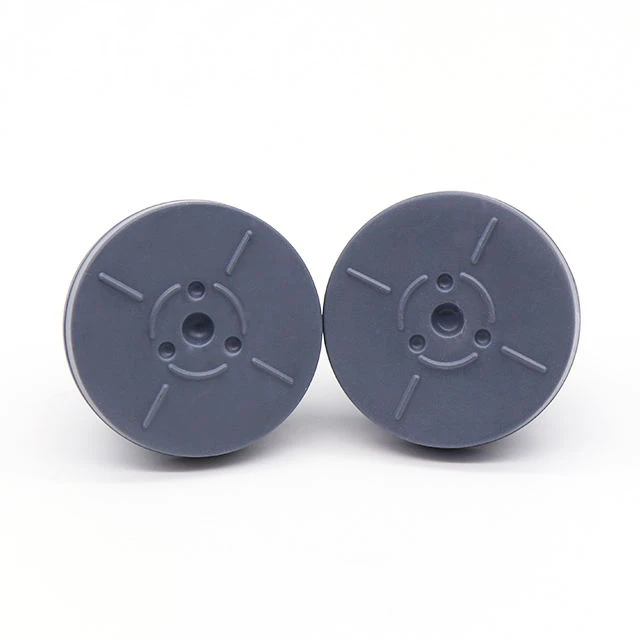
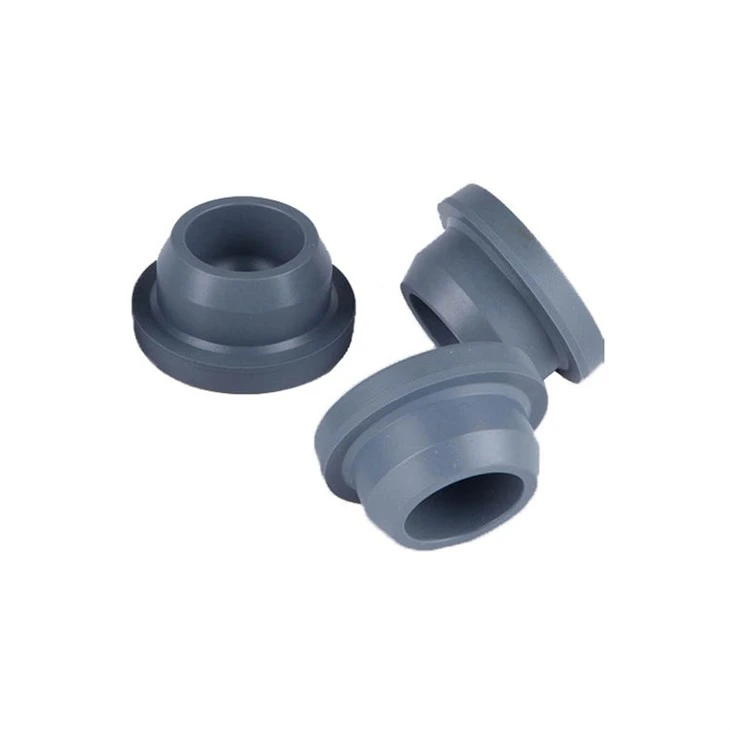
Synthetic rubber stoppers can be engineered to have a wide range of hardness levels. Silicone rubber stoppers, for example, can be produced with different degrees of hardness to meet specific requirements. Harder synthetic rubber stoppers may be used in applications where greater durability and resistance to wear are needed.
Chemical Resistance
One of the significant differences between natural and synthetic rubber stoppers lies in their chemical resistance. Natural rubber stoppers are more susceptible to chemical attack by certain substances. They can be damaged by oils, solvents, and some chemicals, which may cause swelling, degradation, or loss of their sealing properties.
Synthetic rubber stoppers, especially butyl rubber stoppers, offer superior chemical resistance. They are highly resistant to a wide range of chemicals, including acids, bases, and organic solvents. This makes them a preferred choice in industries such as pharmaceuticals, where the contents of the container may be reactive or sensitive to chemical contamination. Our Lyophilized Stopper made from high - quality synthetic rubber is designed to withstand the harsh chemical environments associated with lyophilization processes.
Biological Compatibility
In the pharmaceutical and medical industries, biological compatibility is of utmost importance. Natural rubber stoppers may contain proteins and other natural components that can cause allergic reactions in some individuals. These proteins can leach into the contents of the container, posing a risk to patients.
Synthetic rubber stoppers, particularly those used in medical applications, are designed to be highly biocompatible. They are less likely to cause allergic reactions or interact with the contents of the container in a harmful way. They are also easier to sterilize, which is crucial for maintaining the sterility of medical products.
Cost
Cost is always a consideration in any purchasing decision. Natural rubber stoppers are generally more expensive than synthetic rubber stoppers. The cost of natural rubber is influenced by factors such as the availability of the raw material, the harvesting process, and market demand.
Synthetic rubber stoppers, on the other hand, can be produced more cost - effectively. The manufacturing process for synthetic rubber is often more controllable and scalable, allowing for mass production at a lower cost. However, the cost of synthetic rubber stoppers can also vary depending on the type of synthetic rubber used and the complexity of the manufacturing process.
Environmental Impact
From an environmental perspective, natural rubber is a renewable resource. The production of natural rubber involves minimal energy consumption compared to the production of synthetic rubber, which requires significant amounts of energy for chemical synthesis.
However, the cultivation of rubber trees can have environmental impacts, such as deforestation and the use of pesticides and fertilizers. Synthetic rubber, although not a renewable resource, can be recycled in some cases. Advances in recycling technologies are making it possible to reuse synthetic rubber stoppers, reducing waste and environmental pollution.
Applications
The differences between natural and synthetic rubber stoppers make them suitable for different applications.
- Natural Rubber Stoppers: They are commonly used in traditional applications such as wine bottles, some cosmetic containers, and certain laboratory glassware where the requirements for chemical resistance and biological compatibility are not as strict.
- Synthetic Rubber Stoppers: They are widely used in the pharmaceutical, medical, and food industries. In the pharmaceutical industry, synthetic rubber stoppers are used for vials, ampoules, and infusion bottles to ensure the safety and integrity of the drugs. In the food industry, they are used for containers of beverages, sauces, and other food products to prevent spoilage and contamination.
Conclusion
In conclusion, both natural and synthetic rubber stoppers have their own unique advantages and disadvantages. The choice between them depends on various factors, including the application requirements, chemical resistance, biological compatibility, cost, and environmental considerations.
As a rubber stopper supplier, we understand the importance of providing high - quality products that meet the diverse needs of our customers. Whether you need natural rubber stoppers for a traditional application or synthetic rubber stoppers for a more demanding industrial use, we have a wide range of options to choose from.
If you are interested in learning more about our rubber stopper products or have specific requirements for your project, we encourage you to contact us for procurement and negotiation. Our team of experts is ready to assist you in finding the most suitable rubber stoppers for your needs.
References
- "Rubber Technology Handbook" by Werner Hofmann
- "Handbook of Elastomers" edited by Ibrahim M. Hashim
- Various industry reports on rubber materials and their applications