

Hey there! As a pharmaceutical cap supplier, I've seen all sorts of caps in the industry. One of the most common questions I get is about the difference between single - use and multi - use pharmaceutical caps. So, let's dive right in and break it down.
Single - Use Pharmaceutical Caps
Single - use caps are exactly what they sound like – they're designed to be used just once. Once you open a bottle with a single - use cap, that cap is pretty much done for. These caps are often used for products where sterility and safety are of the utmost importance.
Design and Function
Most single - use caps are made to provide a tight seal that, when broken, indicates that the product inside has been opened. They're usually equipped with a tamper - evident feature, like a breakable ring around the base of the cap. When you twist the cap to open the bottle, this ring snaps off, leaving a clear sign that the product has been accessed.
For example, many liquid medications in small vials come with single - use caps. This ensures that patients can be confident that the medicine they're taking is in its original, unadulterated state. If the tamper - evident feature is already broken when they buy the product, they know not to use it.
Advantages
- Sterility: Single - use caps are great for maintaining the sterility of the product. Once the seal is broken, there's no risk of accidentally resealing the cap and introducing contaminants back into the bottle.
- Safety: The tamper - evident feature is a huge plus for consumer safety. It gives people peace of mind knowing that the product they're using hasn't been tampered with.
- Cost - effective for some products: Since they're often simpler in design, single - use caps can be more cost - effective for products that are meant to be used up quickly or in single doses.
Disadvantages
- Waste: The biggest drawback of single - use caps is the environmental impact. Since they're used only once, they contribute to a significant amount of waste.
- Limited reusability: Once opened, the product has to be used up, or proper storage becomes a challenge as the cap can't be reused effectively.
Multi - Use Pharmaceutical Caps
Multi - use caps, on the other hand, are designed to be opened and closed multiple times. They're commonly found on larger bottles of medications, supplements, or other pharmaceutical products that are meant to be used over an extended period.
Design and Function
Multi - use caps usually have a more complex design. They often feature a locking mechanism to ensure a tight seal when closed, preventing air, moisture, and other contaminants from getting into the bottle. Some multi - use caps also have a child - resistant feature, which requires a specific action, like pushing down and turning, to open the cap.
For instance, a large bottle of vitamins might come with a multi - use cap. You can open the cap to take your daily dose and then close it securely until the next time you need it.
Advantages
- Convenience: Multi - use caps are extremely convenient for products that are used regularly. You don't have to worry about finishing the product all at once.
- Reduced waste: Since they can be used multiple times, they generate less waste compared to single - use caps.
- Better for long - term storage: They provide a reliable seal for long - term storage, helping to preserve the quality of the product over time.
Disadvantages
- Higher cost: Due to their more complex design, multi - use caps are generally more expensive to produce.
- Potential for contamination: If not closed properly, there's a risk of contaminants entering the bottle, which could affect the quality of the product.
Comparing the Two
When it comes to choosing between single - use and multi - use caps, several factors come into play.
Product Type
The type of pharmaceutical product is a major consideration. For products like vaccines or single - dose medications, single - use caps are the obvious choice. Their tamper - evident feature and ability to maintain sterility are crucial for these types of products. On the other hand, products like over - the - counter pain relievers or large bottles of cough syrup are better suited for multi - use caps, as they're used over a longer period.
Cost
Cost is always a factor in the pharmaceutical industry. Single - use caps are generally cheaper to produce, but if the product is meant to be used over a long time, the cost - effectiveness of a multi - use cap might outweigh the initial investment.
Environmental Impact
In today's world, environmental concerns are more important than ever. Single - use caps contribute to more waste, while multi - use caps are a more sustainable option. However, the manufacturing process of multi - use caps also needs to be considered in terms of its environmental impact.
Our Product Range
As a pharmaceutical cap supplier, we offer a wide range of both single - use and multi - use caps. For example, our Pharmaceutical Aluminum Plastic Cap is a great option for many pharmaceutical products. It combines the durability of aluminum with the flexibility of plastic, providing a reliable seal.
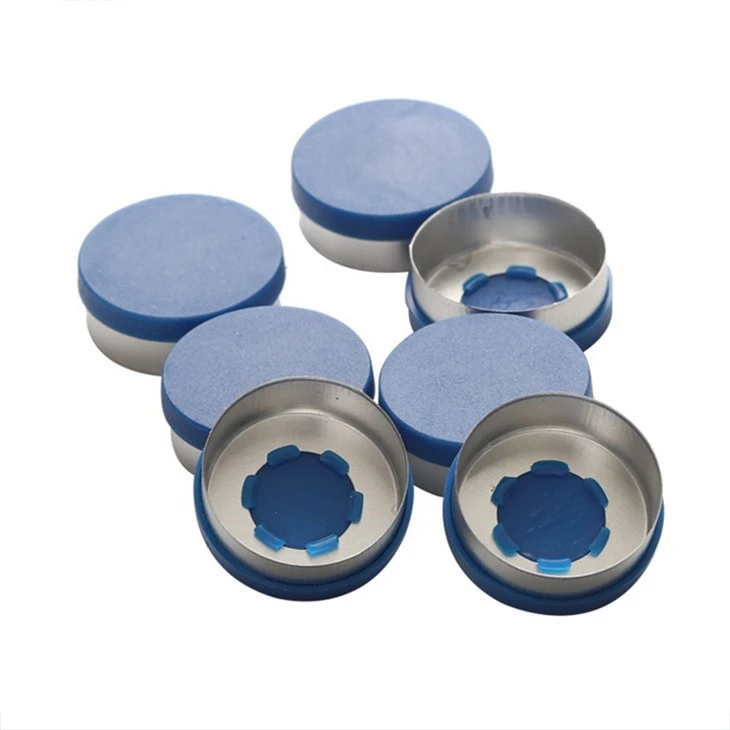
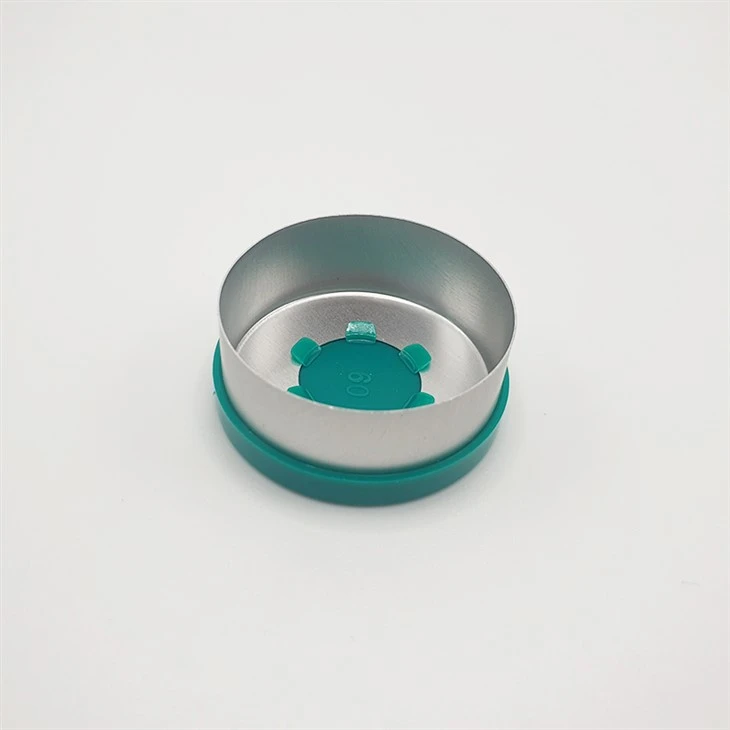
We also have 32mm Aluminum Plastic Flip Caps and 20mm Aluminum Plastic Flip Off Cap. These caps are designed for easy opening and closing, making them suitable for both single - use and multi - use applications.
Contact Us for Your Cap Needs
Whether you're looking for single - use caps to ensure the safety and sterility of your single - dose products or multi - use caps for long - term storage and convenience, we've got you covered. We understand the unique requirements of the pharmaceutical industry and can help you choose the right cap for your product.
If you're interested in learning more about our products or have specific requirements for your pharmaceutical caps, don't hesitate to reach out. We're here to assist you in finding the perfect solution for your packaging needs.
References
- Pharmaceutical Packaging Handbook, Third Edition by Patrick J. O'Shea
- The Science of Pharmaceutical Packaging by Roger S. Woods