

As a pharmaceutical cap supplier, I'm often asked about the cost - effectiveness of different types of pharmaceutical caps. In the highly regulated pharmaceutical industry, a cap is not just a simple closure; it serves to protect the drug, maintain its stability, and ensure patient safety. However, with various cap types in the market, understanding their cost - effectiveness is crucial for both pharmaceutical manufacturers and us as suppliers.
1. Types of Pharmaceutical Caps
1.1 Aluminum Plastic Caps
Aluminum plastic caps are a popular choice in the pharmaceutical industry. They combine the strength of aluminum with the flexibility of plastic. These caps provide a good seal for vials and bottles, preventing contamination from external sources such as dust, moisture, and oxygen. The Aluminum Plastic Caps we offer are designed with precision, ensuring a snug fit on different container sizes. This type of cap is cost - effective as it is relatively inexpensive to produce compared to some high - end specialty caps. The raw materials for aluminum plastic caps are readily available, which helps keep the manufacturing costs down. In addition, their production process is highly efficient, allowing for large - scale production, which further reduces the unit cost.
1.2 Aluminum Plastic Trim Cap
Aluminum Plastic Trim Caps are a variation of aluminum plastic caps. They are often used for aesthetic and additional protection purposes. These caps have a decorative trim that not only enhances the appearance of the pharmaceutical product but also provides an extra layer of security. From a cost - effectiveness perspective, aluminum plastic trim caps strike a balance between functionality and appearance. While they may cost slightly more than standard aluminum plastic caps due to the additional manufacturing steps involved in creating the trim, they add value to the product. Pharmaceutical companies can use these caps to differentiate their products in the market, potentially increasing consumer appeal and market share.
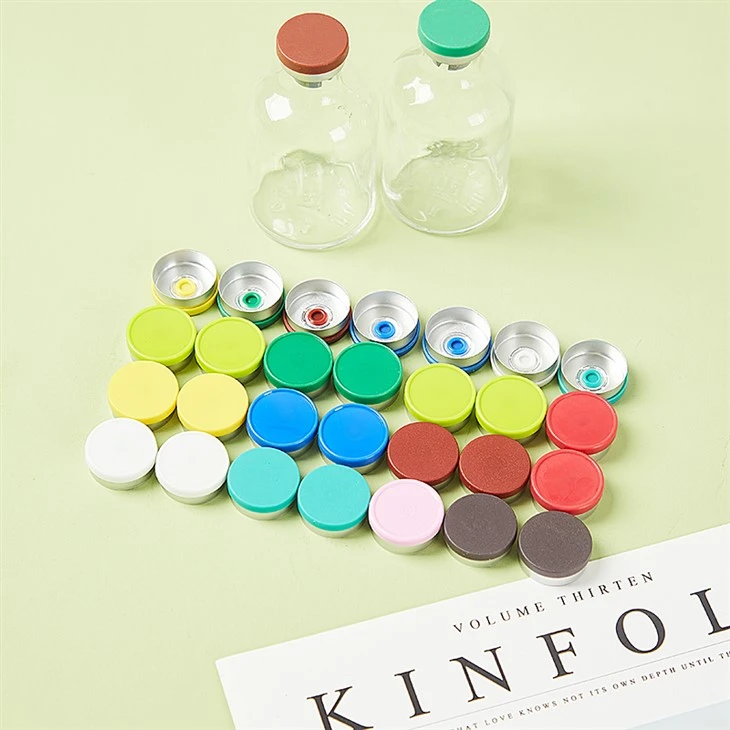

1.3 Aluminium Caps for Glass Bottles
Aluminium Caps for Glass Bottles are specifically designed for glass containers. Glass is a common material for pharmaceutical packaging because of its inertness and ability to preserve the integrity of the drug. Aluminium caps provide an excellent seal for glass bottles, preventing leakage and protecting the contents from outside elements. These caps are relatively more expensive than aluminum plastic caps. The cost of aluminum, along with the specialized manufacturing processes required to ensure a proper fit on glass bottles, contributes to the higher price. However, their durability and performance justify the cost, especially for high - value or sensitive pharmaceutical products.
2. Cost - effectiveness Factors
2.1 Production Cost
The production cost is a significant factor in determining the cost - effectiveness of pharmaceutical caps. For mass - produced caps like aluminum plastic caps, economies of scale play a vital role. As the production volume increases, the cost per unit decreases. This is because fixed costs such as machinery, labor training, and setup costs are spread over a larger number of units. On the other hand, caps with more complex designs, like aluminum plastic trim caps or aluminium caps for glass bottles, may have higher production costs due to additional materials, labor, and precision manufacturing requirements.
2.2 Compatibility with Packaging
The compatibility of the cap with the pharmaceutical packaging is crucial. A cap that does not fit properly on the container can lead to leakage, which can result in product spoilage and increased costs for the pharmaceutical company. Cap - container compatibility also affects the ease of use during the filling and capping process. For example, aluminium caps for glass bottles need to be carefully designed to fit the bottle neck precisely. If the cap is not compatible, it may require additional adjustments or even cause production delays. Ensuring compatibility from the beginning can save costs associated with production inefficiencies and product waste.
2.3 Shelf - Life and Product Protection
One of the primary functions of pharmaceutical caps is to protect the drug during its shelf - life. Caps that provide better protection against moisture, oxygen, and light can extend the shelf - life of the product, reducing the need for frequent re - production and replacement. While capsules made with high - end materials may be more expensive upfront, they can save costs in the long run by reducing product loss due to degradation. For instance, aluminium caps for glass bottles offer superior protection compared to some other types of caps, making them a cost - effective choice for long - shelf - life products.
2.4 Regulatory Compliance
The pharmaceutical industry is heavily regulated, and caps must meet strict quality and safety standards. Caps that are not compliant with regulations can result in product recalls, fines, and damage to the brand's reputation. Ensuring regulatory compliance requires investment in quality control, testing, and documentation. When evaluating the cost - effectiveness of pharmaceutical caps, it is essential to consider the cost associated with meeting regulatory requirements. A cap that can easily meet these standards without additional costly modifications is more cost - effective in the long term.
3. Case Studies
Let's look at two case studies to illustrate the cost - effectiveness of different types of pharmaceutical caps.
3.1 Generic Drug Manufacturer
A generic drug manufacturer produces a wide range of over - the - counter medications. This company has a high - volume production process and focuses on cost - efficiency. They choose aluminum plastic caps for most of their products. By using these caps, they can take advantage of the economies of scale. The relatively low production cost per unit, combined with the caps' ability to provide a basic level of protection, suits their business model well. The cost - effectiveness of aluminum plastic caps allows them to offer their products at a competitive price in the market.
3.2 High - End Biotech Company
A high - end biotech company develops and manufactures sensitive biopharmaceutical products. These products require strict protection against external factors to maintain their efficacy. They opt for aluminium caps for glass bottles for their products. Although these caps are more expensive, they provide the necessary protection to ensure the long - term stability of the biopharmaceuticals. The cost of the caps is offset by the savings in product loss due to degradation. Moreover, the high - quality caps enhance the brand image of the company, which can lead to increased customer trust and higher sales in the long run.
4. Conclusion and Call to Action
In conclusion, the cost - effectiveness of different types of pharmaceutical caps depends on various factors, including production cost, compatibility with packaging, shelf - life and product protection, and regulatory compliance. Each type of cap has its own advantages and trade - offs, and pharmaceutical companies need to carefully evaluate their needs when selecting a cap.
As a pharmaceutical cap supplier, we are committed to providing high - quality caps at competitive prices. Whether you are a generic drug manufacturer looking for cost - efficient solutions or a high - end biotech company in need of top - notch protection, we have the right caps for you. If you are interested in learning more about our products or discussing a specific project, we invite you to reach out for a procurement consultation. We look forward to working with you to find the most cost - effective pharmaceutical cap solution for your needs.
References
- Pharmaceutical Packaging Science and Technology, edited by Parveen S. Basu
- Guide to Pharmaceutical Packaging, by John P. Dumas
- Regulatory Requirements for Pharmaceutical Caps in Different Regions, International Pharmaceutical Regulatory Journal