

Hey there! As a supplier of 1ml glass bottles, I often get asked about the capacity accuracy of these little containers. So, I thought I'd dive into this topic and share some insights.
Let's first understand what capacity accuracy means. In simple terms, it's how close the actual volume of liquid a container can hold is to its stated capacity. For a 1ml glass bottle, the stated capacity is, well, 1 milliliter. But in the real world, there can be small variations.
The production process of 1ml glass bottles plays a huge role in determining their capacity accuracy. First off, the molding. When the glass is being molded into the bottle shape, precision is key. The molds are designed to create bottles with a specific volume. However, factors like the temperature of the glass during molding, the pressure applied, and the quality of the mold itself can all lead to slight differences in the final bottle's dimensions, which in turn affect its capacity.
In a high - quality manufacturing environment, the glass used is carefully selected. High - purity glass is favored because it has consistent properties. If the glass contains impurities or has uneven density, it might expand or contract differently during heating and cooling processes in production, leading to variations in the bottle's inner volume.
The finishing processes also matter. For example, the way the neck of the 1ml glass bottle is formed can impact capacity. If the neck is a bit wider or narrower than intended, it can change the total volume the bottle can hold up to its brim. Likewise, the thickness of the bottle walls needs to be uniform. If the walls are thicker in some areas and thinner in others, it can skew the capacity.
Now, let's talk about industry standards for capacity accuracy. In the pharmaceutical and cosmetic industries, where 1ml glass bottles are commonly used, accuracy is crucial. For instance, in pharmaceuticals, a small error in the dosage volume can have significant effects on the medication's efficacy. In these industries, the acceptable margin of error for a 1ml glass bottle is often extremely low, usually within ±0.01ml or even less. This means that a 1ml glass bottle should hold between 0.99ml and 1.01ml of liquid to meet the strict standards.
To ensure this high - level of accuracy, quality control measures are in place at every step of the production line. We use sophisticated measuring tools to check the volume of the bottles. For example, we might fill the bottles with a precise amount of water and then measure how much is actually in the bottle using calibrated pipettes or volumetric flasks. Any bottles that don't meet the accuracy standards are removed from the production line.
But it's not just about the production and quality control during manufacturing. How the 1ml glass bottles are stored and shipped can also affect their capacity accuracy. For example, if the bottles are exposed to extreme temperatures or pressures during transit, it could cause the glass to expand or contract slightly, altering the capacity. So, we take great care in packaging the bottles to protect them from such environmental factors.
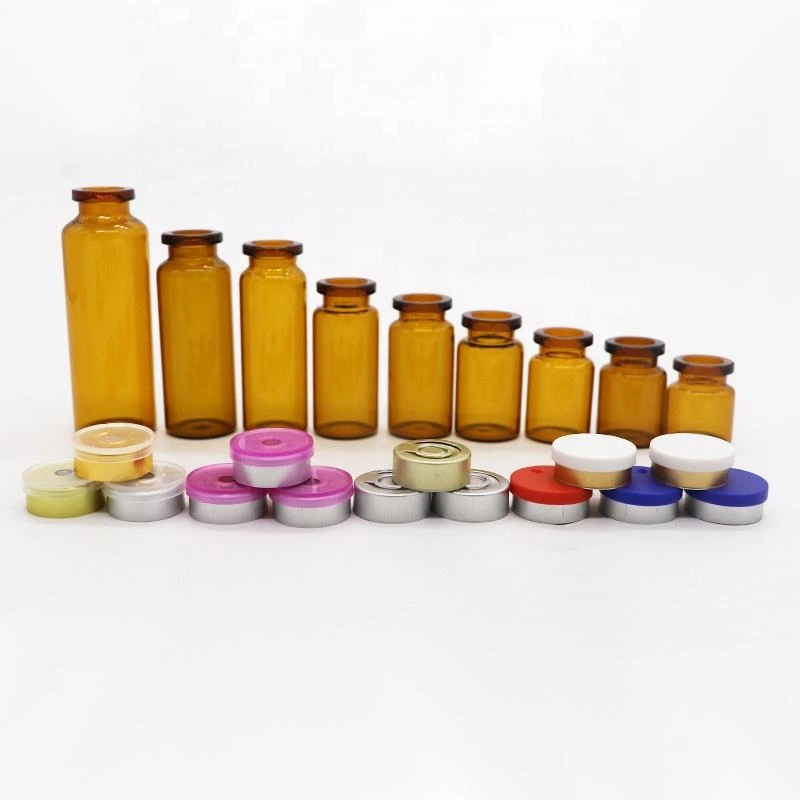
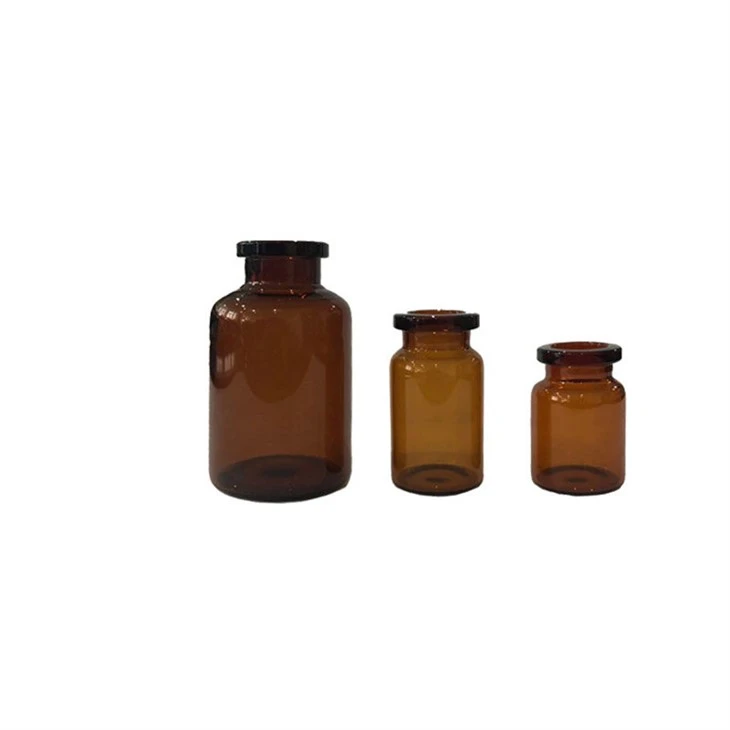
Now, you might be wondering how our 1ml glass bottles stack up against other products we offer. We also supply 15ml Glass Bottle and A Vial and Freeze-dried Powder Bottle. The principles of capacity accuracy are similar across these different products, but the acceptable margins of error might vary depending on their intended uses.
For larger bottles like the 15ml ones, the relative error might be a bit larger in terms of absolute volume, but still within strict industry - specific limits. For example, if the margin of error for a 15ml bottle is ±0.1ml, that's still a very small percentage of the total volume.
A vial and a freeze - dried powder bottle, on the other hand, often have very specific requirements. Vials are used in laboratories for storing small amounts of reagents or samples, so accuracy is of utmost importance. Freeze - dried powder bottles are designed to hold powders that are reconstituted later, and the correct volume of the diluent added depending on the bottle's capacity is crucial for the product's quality.
There are also external factors that can seem to affect the capacity of a 1ml glass bottle. For example, the surface tension of the liquid being put into the bottle can cause a meniscus to form. A meniscus is the curved surface of a liquid in a container. Depending on whether the liquid is hydrophilic (attracted to the glass) or hydrophobic (repelled by the glass), the meniscus can be concave or convex. When measuring the volume of a liquid in the bottle, we need to account for this meniscus to get an accurate reading.
In conclusion, the capacity accuracy of a 1ml glass bottle is a complex matter that's determined by a variety of factors, from the production process and quality control to storage and external conditions. But we here at our company are committed to ensuring that our 1ml glass bottles meet the highest standards of accuracy.
If you're in the market for 1ml glass bottles or any of our other products like 15ml Glass Bottle, A Vial, or Freeze-dried Powder Bottle, don't hesitate to get in touch for a purchasing discussion. We'd love to work with you and help you find the perfect glass containers for your needs.
References:
- General knowledge of glass bottle manufacturing processes
- Industry standards in pharmaceutical and cosmetic packaging