

Hey there! As a supplier of A Vials, I've had my fair share of experiences and knowledge when it comes to the storage of radioactive materials in vials. In this blog, I'll be diving deep into the special requirements for storing these materials safely and effectively.
Why Special Requirements Matter
Radioactive materials are no joke. They emit radiation that can be harmful to humans and the environment if not handled properly. When it comes to storing them in vials, we can't just throw them in a random cabinet and call it a day. Special requirements are in place to prevent radiation leaks, protect people from exposure, and ensure the integrity of the materials themselves.
Physical Protection
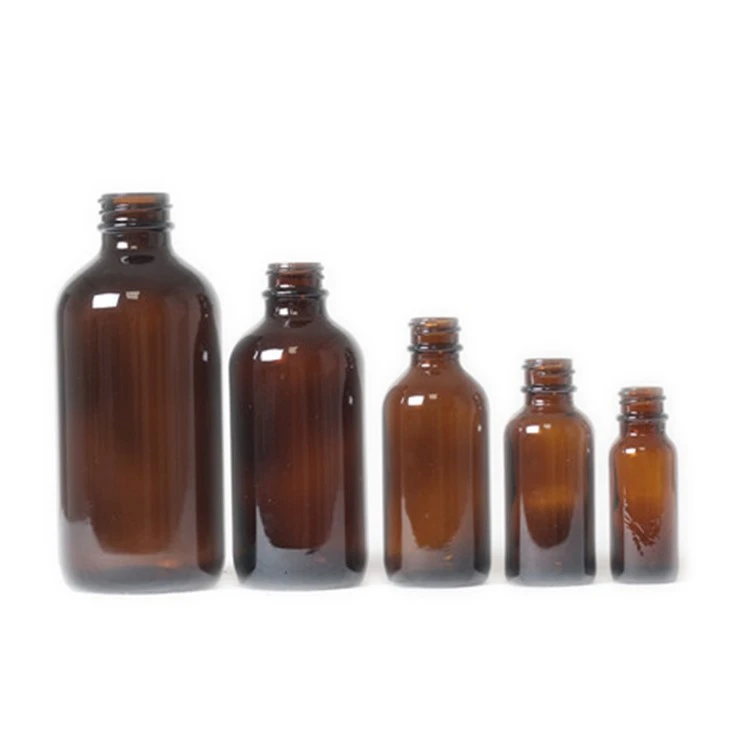
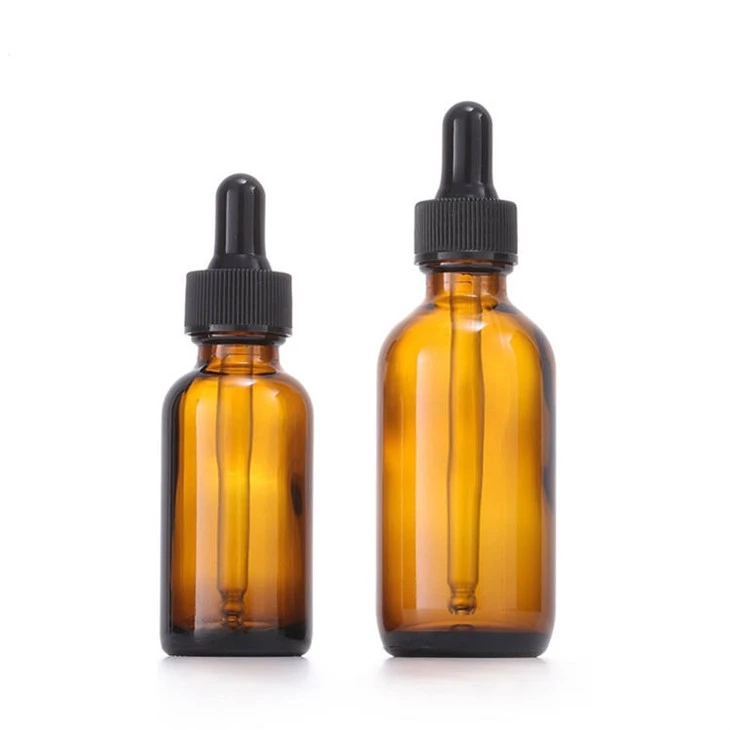
One of the first things to consider is the physical protection of the vials. Radioactive materials need to be shielded to reduce the amount of radiation that escapes. This is where the type of vial you use becomes crucial. At our company, we offer a range of vials that are designed to provide adequate shielding. For example, our Amber Medicine Glass Bottle is made of a special type of glass that can absorb and block a significant amount of radiation.
The thickness of the vial also plays a role in shielding. Thicker vials generally provide better protection. But it's not just about the glass; the design of the vial matters too. A well-sealed vial with a tight-fitting cap can prevent radiation from leaking out. We've put a lot of effort into designing our vials to have secure closures, so you can be confident that your radioactive materials are safely contained.
Temperature and Humidity Control
Radioactive materials can be sensitive to temperature and humidity. Extreme temperatures can cause the materials to degrade or change their properties, which can affect their performance and safety. That's why it's important to store vials of radioactive materials in a controlled environment.
A cool and dry place is usually the best option. A temperature range of around 20 - 25 degrees Celsius is ideal for most radioactive materials. Humidity should be kept low, preferably below 50%. This helps to prevent corrosion of the vial and any potential damage to the radioactive contents.
We understand that maintaining these conditions can be a challenge, especially in different climates. That's why we're always happy to offer advice on the best storage solutions for your specific needs. Our 20ml Medicine Bottle and 60 Ml Glass Bottles are designed to withstand a certain range of temperature and humidity variations, but it's still important to do your part in providing a stable storage environment.
Labeling and Documentation
Proper labeling and documentation are essential when it comes to storing radioactive materials. Each vial should be clearly labeled with information such as the type of radioactive material, its activity level, the date of receipt, and any special handling instructions. This helps to ensure that anyone who comes into contact with the vial knows exactly what they're dealing with and how to handle it safely.
In addition to the vial labels, you also need to keep detailed records of the storage. This includes information about the storage location, the temperature and humidity levels, and any inspections or maintenance that has been done. These records are not only important for safety but also for regulatory compliance.
Security and Access Control
Storing radioactive materials requires strict security measures. Only authorized personnel should have access to the storage area. This helps to prevent unauthorized handling or theft of the materials, which could pose a serious risk to public safety.
The storage area should be locked and have appropriate security systems in place, such as alarms and surveillance cameras. Regular audits and inspections should also be conducted to ensure that the security measures are being followed.
Regulatory Compliance
There are a lot of regulations and standards that govern the storage of radioactive materials. These regulations are in place to protect the public and the environment from the potential hazards of radiation. As a vial supplier, we're well aware of these regulations and make sure that our products meet all the necessary requirements.
When you're storing radioactive materials in our vials, you can be confident that you're using products that are compliant with the relevant regulations. However, it's still your responsibility to ensure that you're following all the rules and regulations in your area.
Handling and Transport
Even when the radioactive materials are stored in vials, proper handling and transport are still important. When moving the vials, you need to use appropriate handling equipment, such as tongs or gloves, to minimize your exposure to radiation.
During transport, the vials should be packed in a way that provides additional protection. They should be placed in a special container that is designed to absorb and block radiation. This container should also be clearly labeled with the necessary information.
Choosing the Right Vial
When it comes to storing radioactive materials, choosing the right vial is crucial. You need to consider factors such as the type of radioactive material, its activity level, and the storage conditions. Our range of vials, including the Amber Medicine Glass Bottle, 20ml Medicine Bottle, and 60 Ml Glass Bottles, are designed to meet different needs.
If you're not sure which vial is right for you, don't hesitate to reach out to us. We have a team of experts who can help you make the best choice based on your specific requirements.
Conclusion
Storing radioactive materials in vials requires a lot of attention to detail. From physical protection to temperature control, labeling, security, and regulatory compliance, every aspect is important. As a supplier of A Vials, we're committed to providing you with high-quality products that meet all the necessary requirements.
If you're in the market for vials to store your radioactive materials, we'd love to hear from you. Whether you have questions about our products or need advice on storage solutions, we're here to help. Just drop us a line, and let's start a conversation about how we can meet your needs.
References
- International Atomic Energy Agency. (20XX). Safety Standards for the Storage of Radioactive Materials.
- National Regulatory Authority. (20XX). Guidelines for the Storage and Handling of Radioactive Substances.