

In the pharmaceutical industry, the durability of a pharmaceutical cap is of utmost importance. As a reputable pharmaceutical cap supplier, we understand the critical role that these caps play in preserving the integrity and safety of pharmaceutical products. In this blog post, I will share with you the key methods and considerations for testing the durability of a pharmaceutical cap.
Understanding the Importance of Durability Testing
Pharmaceutical caps are not just simple closures; they are essential components that protect the contents of vials and bottles from contamination, moisture, and other external factors. A durable cap ensures that the pharmaceutical product remains stable and effective throughout its shelf life. Moreover, it helps to maintain the sterility of the product, which is crucial for patient safety.
Types of Pharmaceutical Caps
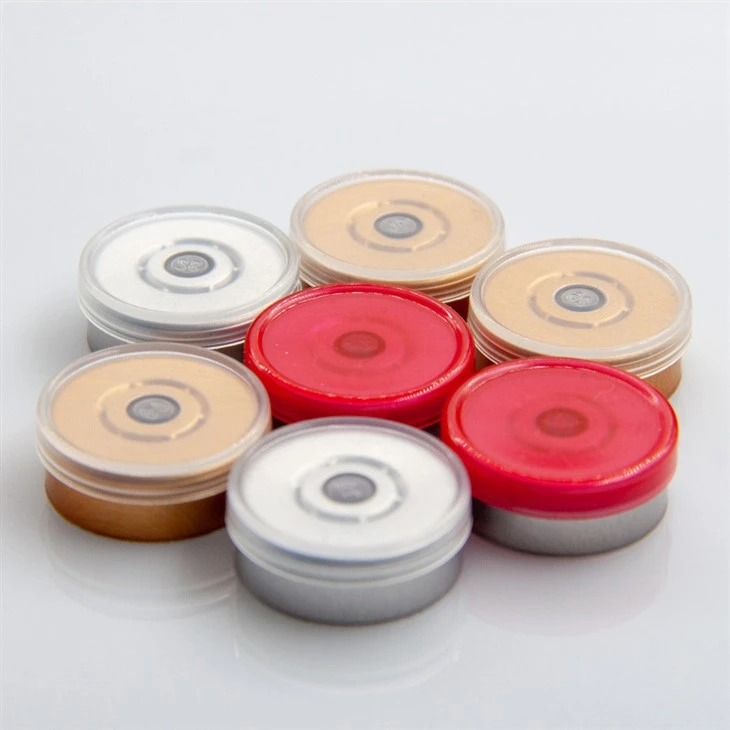
Before diving into the testing methods, let's briefly discuss the different types of pharmaceutical caps that we offer. We provide a wide range of caps, including Aluminum Plastic Vial Cap, Aluminum Plastic Cover, and 20mm Vial Cap. Each type of cap is designed to meet specific requirements and applications in the pharmaceutical industry.
Key Factors Affecting Cap Durability
Several factors can affect the durability of a pharmaceutical cap. These include:
- Material Quality: The quality of the materials used in the cap's construction is a primary factor. High - quality plastics, metals, or combinations thereof are more likely to provide better durability. For example, our aluminum - plastic caps are made from premium materials that offer excellent resistance to corrosion and mechanical stress.
- Design and Structure: The design of the cap, including its shape, size, and threading, can impact its durability. A well - designed cap should fit snugly on the vial or bottle and provide a reliable seal.
- Environmental Conditions: Pharmaceutical products are often stored and transported under various environmental conditions. Caps need to withstand factors such as temperature fluctuations, humidity, and exposure to chemicals.
Testing Methods for Cap Durability
1. Tightening and Loosening Torque Testing
This test measures the amount of force required to tighten and loosen the cap. A consistent and appropriate torque value is essential for ensuring a proper seal. If the torque is too low, the cap may not provide an adequate seal, leading to product contamination. On the other hand, if the torque is too high, it can damage the cap or the vial.
To conduct this test, we use a torque tester. We place the cap on a standardized vial and tighten it to a specified torque value. Then, we measure the torque required to loosen the cap. This process is repeated multiple times to ensure consistency.
2. Drop Test
The drop test simulates the impact that a cap may experience during handling and transportation. We take a vial with a capped product and drop it from a specific height onto a hard surface. The height and surface are determined based on industry standards.
After the drop, we inspect the cap for any signs of damage, such as cracks, deformation, or loosening. If the cap remains intact and the seal is still effective, it passes the drop test.
3. Compression Test
This test evaluates the cap's ability to withstand compressive forces. We place the capped vial in a compression testing machine and apply a gradually increasing force until the cap shows signs of failure. The maximum force that the cap can withstand before failure is recorded.
The compression test is important because pharmaceutical products may be subjected to pressure during storage and transportation, for example, when stacked on top of each other.

4. Chemical Resistance Test
Pharmaceutical products often contain various chemicals, and the cap must be resistant to these substances. We expose the cap to different chemicals that are commonly used in pharmaceutical formulations for a specified period.
After the exposure, we examine the cap for any changes in its physical properties, such as swelling, discoloration, or loss of integrity. A cap that shows no significant changes passes the chemical resistance test.
5. Aging Test
The aging test mimics the long - term effects of storage on the cap. We place the caps in an environmental chamber with controlled temperature and humidity conditions for an extended period. This accelerates the aging process.
Periodically, we remove the caps from the chamber and perform other tests, such as torque testing and visual inspection. The goal is to determine how the cap's durability changes over time.
Quality Control and Assurance
At our company, we have a strict quality control and assurance system in place. Every batch of pharmaceutical caps undergoes a series of tests before being released to the market. We also maintain detailed records of all test results to ensure traceability and accountability.
In addition to our in - house testing, we also collaborate with independent laboratories to conduct third - party testing. This provides an extra layer of confidence in the quality and durability of our caps.
Conclusion
Testing the durability of a pharmaceutical cap is a comprehensive process that involves multiple methods and considerations. As a pharmaceutical cap supplier, we are committed to providing high - quality caps that meet the strictest industry standards. Our Aluminum Plastic Vial Cap, Aluminum Plastic Cover, and 20mm Vial Cap are rigorously tested to ensure their durability and reliability.
If you are in the pharmaceutical industry and are looking for reliable and durable pharmaceutical caps, we invite you to contact us for a procurement discussion. We are ready to provide you with the best solutions for your cap needs.
References
- "Guidelines for Pharmaceutical Packaging Testing", International Pharmaceutical Excipients Council.
- "Testing Methods for Plastic Caps in the Pharmaceutical Industry", Journal of Pharmaceutical Packaging Science.