

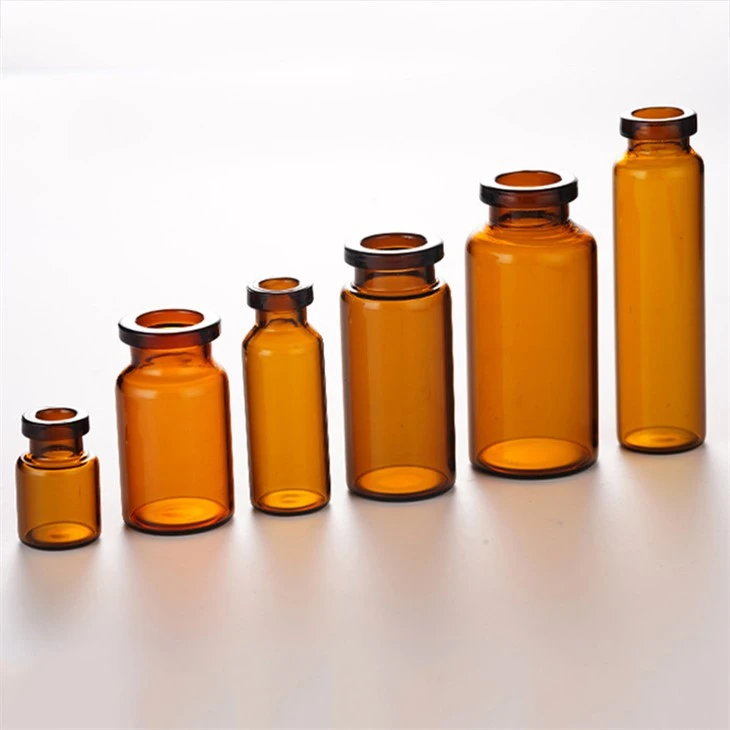
Hey there! If you're in the market for small glass bottles, you've come to the right place. I'm a supplier of all sorts of small glass bottles, from Pharmacy Medicine Bottles to Medicine Bottle and 20ml Amber Glass Bottle. But once you've got your hands on these nifty little containers, the next big question is: how do you seal them properly? Well, I'm here to break it down for you.
First off, let's talk about why sealing a small glass bottle is so important. Whether you're storing essential oils, medicine, or homemade perfumes, a good seal keeps your contents protected. It prevents air, moisture, and contaminants from getting in, which can degrade the quality of what's inside. Plus, it helps to keep any strong - smelling substances from leaking out and making a mess.
Types of Seals for Small Glass Bottles
There are several types of seals you can use for small glass bottles, and each has its own pros and cons.
Screw - on Caps
Screw - on caps are probably the most common type of seal for small glass bottles. They're super easy to use. All you have to do is line up the cap with the bottle's threads and twist it shut. These caps come in different materials like plastic, metal, and even glass. Plastic caps are lightweight and affordable, making them a popular choice for many products. Metal caps, on the other hand, give a more premium look and feel, and they're often used for high - end perfumes or luxury cosmetics.
One thing to note with screw - on caps is that you need to make sure they're tightened properly. If the cap isn't tightened enough, it can lead to leaks. You can use a cap tightener tool to get a really secure fit. Just place the cap on the bottle, put the tool over it, and turn. It'll give you that extra grip to make sure the seal is airtight.
Cork Stoppers
Cork stoppers have a classic and rustic look. They're often used for bottles of wine, but they're also great for small glass bottles of all sorts. Cork is a natural material that's porous, which allows a tiny bit of air to interact with the contents. This can be a good thing for certain products, like aging wines or some types of essential oils that benefit from a bit of oxygen exposure.
However, corks can be a bit tricky to use. You need to make sure the cork is the right size for the bottle opening. If it's too small, it won't seal properly. And sometimes, corks can dry out over time, which might cause them to shrink and lose their seal. To insert a cork, you can use a corker. There are different types of corkers, from manual ones that you squeeze to more advanced electric ones.
Dropper Caps
Dropper caps are perfect for products like essential oils or liquid medications. They allow you to dispense the contents in small, controlled amounts. The dropper usually has a rubber bulb on top. When you squeeze the bulb, it creates a vacuum that sucks the liquid up into the dropper tube. Then, when you release the bulb, the liquid is dispensed drop by drop.
To seal a bottle with a dropper cap, make sure the dropper is inserted all the way into the bottle opening and the cap is screwed on tightly. Some dropper caps also have a child - resistant feature, which adds an extra layer of safety.
Steps to Seal a Small Glass Bottle
Now that we've covered the different types of seals, let's go through the steps to seal a small glass bottle.
Step 1: Clean and Dry the Bottle
Before you seal the bottle, it's crucial to make sure it's clean and dry. Any dirt, dust, or moisture left inside the bottle can affect the quality of the contents and the effectiveness of the seal. You can use a mild detergent and warm water to clean the bottle, then rinse it thoroughly. Let it air dry completely or use a clean, lint - free cloth to dry it.
Step 2: Prepare the Seal
If you're using a screw - on cap, check to make sure the threads on both the cap and the bottle are clean and undamaged. For cork stoppers, you might want to soak them in water for a few minutes to make them more pliable and easier to insert. With dropper caps, make sure the dropper is assembled correctly and that there are no blockages in the tube.
Step 3: Fill the Bottle
Once the bottle is clean and dry, and the seal is ready, it's time to fill the bottle with your product. Be careful not to overfill it, as this can make it difficult to seal properly and might cause spills. Leave a little bit of headspace at the top of the bottle.
Step 4: Apply the Seal
For screw - on caps, simply place the cap on the bottle and twist it clockwise until it's tight. You can use a cap tightener for an extra - secure seal, as mentioned earlier. If you're using a cork stopper, insert the cork into the bottle opening using a corker. Apply steady pressure until the cork is fully inserted. For dropper caps, insert the dropper into the bottle and screw the cap on tightly.
Step 5: Check the Seal
After you've applied the seal, give the bottle a gentle shake to see if there are any leaks. You can also hold the bottle upside down for a few seconds to make sure nothing is coming out. If you notice any leaks, you might need to adjust the seal or replace it with a new one.
Tips for a Better Seal
Here are some additional tips to help you get the best seal possible for your small glass bottles.
- Use a Sealant: For extra protection, you can use a food - grade sealant around the cap or cork. This will create an even more airtight seal and prevent any leaks. Make sure to use a sealant that's compatible with your product and the type of bottle.
- Store the Bottles Properly: Even with a great seal, how you store the bottles can affect the integrity of the seal. Keep the bottles in a cool, dry place away from direct sunlight. High temperatures and humidity can cause the seal to break down over time.
- Test the Seal: Before you start mass - producing or selling your products, it's a good idea to do some seal tests. You can simulate different storage conditions, like shaking the bottles or exposing them to different temperatures, to see how well the seal holds up.
Why Choose Our Small Glass Bottles?
As a supplier, I take pride in offering high - quality small glass bottles. Our bottles are made from premium glass materials that are durable and resistant to breakage. We have a wide range of sizes and styles to choose from, so you can find the perfect bottle for your product. Whether you need a 20ml Amber Glass Bottle for essential oils or a Medicine Bottle for pharmaceuticals, we've got you covered.
Plus, we offer customization options. You can choose different types of caps and seals to suit your needs. And if you want your bottles to have a unique look, we can also apply custom labels or printing.
Let's Connect
If you're interested in purchasing small glass bottles for your business, I'd love to talk to you. Whether you're just starting out or looking to expand your product line, we can work together to find the best solutions for your packaging needs. Reach out and let's get the ball rolling on creating the perfect packaging for your products.

References
- Packaging World. (Many issues). Articles related to glass bottle packaging and sealing techniques.
- Institute of Packaging Professionals. Technical papers on container sealing and storage.