

As a supplier of small glass bottles, I understand the importance of maintaining the cleanliness and transparency of these bottles. Stains on small glass bottles not only affect their aesthetic appeal but can also potentially compromise the quality of the contents they hold. In this blog, I'll share some effective methods to remove stains from small glass bottles, ensuring they remain in pristine condition.
Understanding the Types of Stains
Before diving into the stain - removal methods, it's crucial to identify the type of stain. Different stains require different treatment approaches.
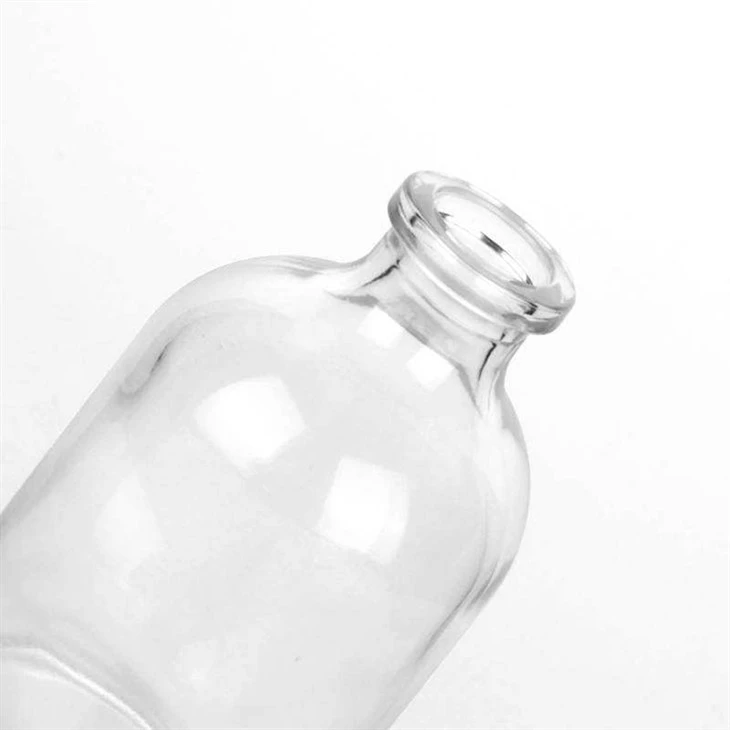
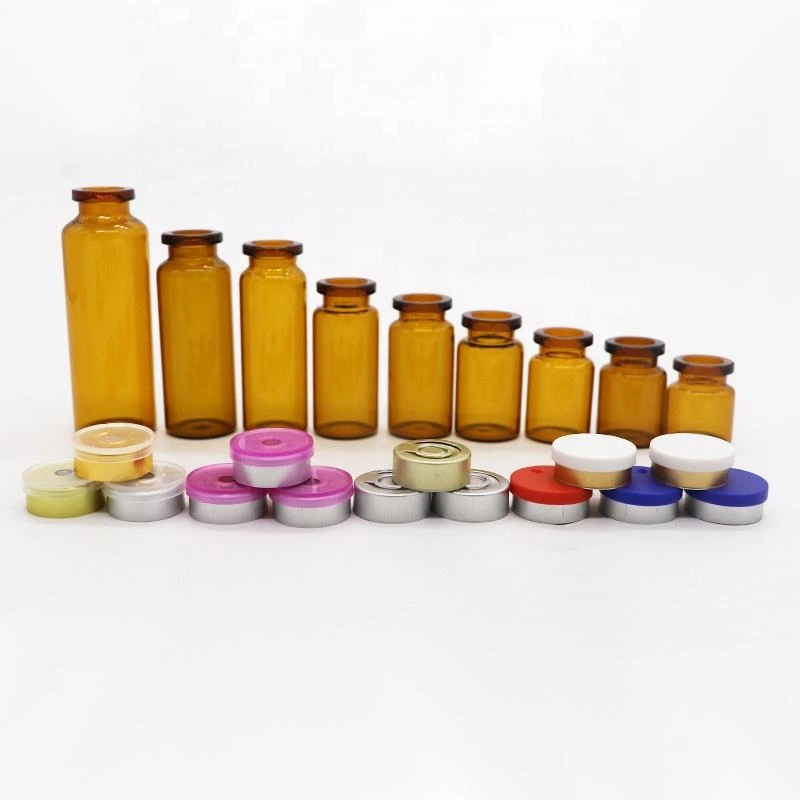
- Organic stains: These are typically caused by substances like food, beverages, or plant - based products. For example, if a small glass bottle was used to store fruit juice, it may develop organic stains over time. Organic stains often leave a discolored residue that can be sticky or have a distinct odor.
- Mineral stains: Hard water deposits are a common type of mineral stain. When water with high mineral content evaporates in the bottle, it leaves behind calcium and magnesium deposits, which appear as white or cloudy patches on the glass surface.
- Chemical stains: If the bottle was used to store chemicals, it can develop chemical stains. These stains can be more stubborn and may require special cleaning agents depending on the nature of the chemical.
General Cleaning Supplies
For most basic stain - removal tasks, you'll find the following supplies useful:
- Hot water: Hot water can help dissolve and loosen many types of stains. It's a simple yet effective first step in the cleaning process.
- Mild dish soap: A gentle dish soap can break down grease and organic matter. It's safe for use on glass and won't cause damage.
- Baking soda: Baking soda is a natural abrasive and a great deodorizer. It can help scrub away stains without scratching the glass.
- Vinegar: Vinegar is acidic, making it effective against mineral stains. It can dissolve calcium and magnesium deposits.
- Soft - bristle brushes or pipe cleaners: These are ideal for reaching the narrow necks and hard - to - reach areas of small glass bottles.
Step - by - Step Stain Removal
For Organic Stains
- Pre - soak: Fill the small glass bottle with hot water and add a few drops of mild dish soap. Let it soak for about 15 - 30 minutes. This will loosen the organic matter and make it easier to clean.
- Scrubbing: If the stain persists after soaking, use a soft - bristle brush or a pipe cleaner dipped in a paste of baking soda and water. Gently scrub the stained area. The baking soda will act as an abrasive to remove the stubborn stain.
- Rinse thoroughly: After scrubbing, rinse the bottle with hot water several times to ensure all the soap and baking soda residue are removed.
For Mineral Stains
- Vinegar soak: Fill the bottle with a solution of equal parts white vinegar and hot water. Let it sit for at least an hour. The acid in the vinegar will break down the mineral deposits.
- Scrub and rinse: Use a soft - bristle brush to scrub the bottle gently. You may notice the mineral deposits starting to come off. Rinse the bottle thoroughly with hot water to remove the vinegar and dissolved minerals.
For Chemical Stains
- Identify the chemical: First, determine what chemical caused the stain. This will help you choose the appropriate cleaning agent. Some chemicals may react with certain cleaning products, so it's important to be cautious.
- Use a specialized cleaner: If the chemical stain is from a common household chemical, you can use a cleaner specifically designed for that type of stain. For more complex chemical stains, it's advisable to consult a professional or refer to the chemical's safety data sheet.
- Rinse carefully: After using a specialized cleaner, rinse the bottle multiple times with hot water to ensure no residue of the cleaner or the original chemical remains.
Tips for Preventing Stains
- Clean bottles promptly: After using a small glass bottle, clean it as soon as possible. This prevents stains from setting in and makes the cleaning process easier.
- Use liners or caps: If possible, use bottle liners or caps that can prevent spills and direct contact between the contents and the glass. This can reduce the likelihood of stains.
- Regular maintenance cleaning: Even if a bottle doesn't appear to have stains, perform regular maintenance cleaning. A simple soak in hot, soapy water can keep the bottle clean and prevent future staining.
Our Small Glass Bottle Offerings
As a supplier, we offer a wide range of small glass bottles to meet various needs. Our Small Medicine Bottle is perfect for storing medications, herbal supplements, or essential oils. It has a secure closure and a small size, making it convenient for personal use or travel.
We also have 15ml Glass Bottle and 20ml Medicine Bottle options. These bottles are ideal for small - quantity products such as perfumes, serums, or home - made tinctures. They are made of high - quality glass that is resistant to many chemicals, ensuring the safety and integrity of the contents.
Contact for Purchase and洽谈
If you're interested in our small glass bottles, we welcome you to contact us for more information and to discuss your specific requirements. Our team is dedicated to providing high - quality products and excellent customer service. Whether you need a small batch for a personal project or a large order for commercial use, we can meet your needs.
References
- "The Complete Guide to Glass Cleaning", Home Cleaning Journal, 2019.
- "Stain Removal for Different Materials", Cleaning Science Review, 2021.
- "Best Practices for Small Bottle Maintenance", Packaging and Storage Magazine, 2022.