

Hey there! I'm a supplier of 2ml glass bottles, and I know how frustrating it can be when these little guys get scratched. Scratches not only make the bottles look bad but can also potentially affect their functionality, especially if they're used for medical or high - precision purposes. So, in this blog, I'm gonna share some tips on how to protect 2ml glass bottles from scratches.
1. Proper Handling During Manufacturing
When we're making these 2ml glass bottles, it's super important to handle them with care. The manufacturing process involves a lot of moving parts, and any rough handling can lead to scratches. We use soft - touch tools and equipment to minimize the risk. For example, instead of using metal tongs that can leave marks, we opt for rubber - coated or plastic - tipped tongs. This way, the bottles are held securely without getting scratched.
Also, during the production line, we make sure the conveyor belts are clean and free of debris. Any small particles on the belts can act like sandpaper and scratch the bottles as they move along. We regularly clean and inspect the belts to keep them in top - notch condition.
2. Packaging Materials Matter
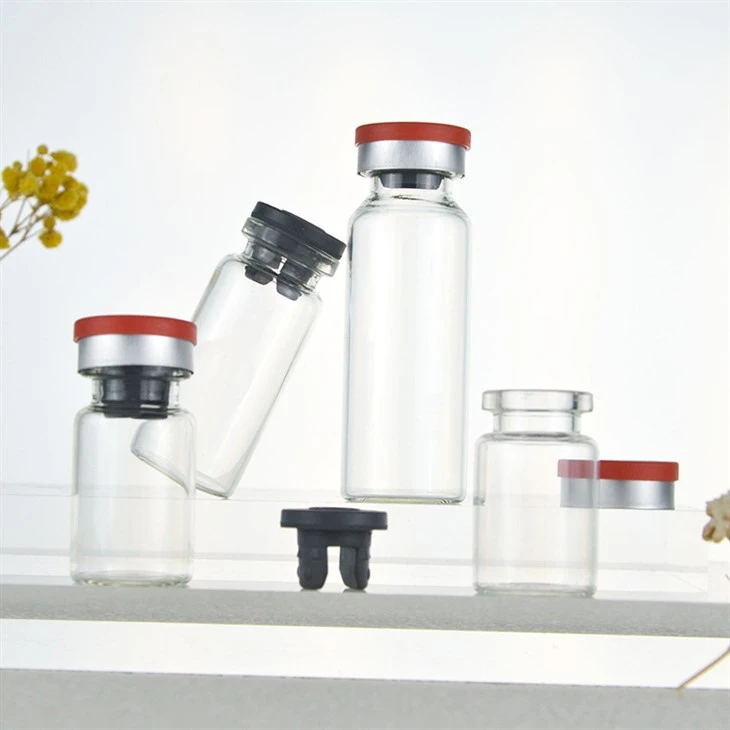
The right packaging can be a game - changer when it comes to protecting glass bottles from scratches. We use high - quality foam inserts for our Medical Vial with Lid. The foam creates a cushion around the bottles, preventing them from bumping into each other during transit. It's like a cozy little nest for each bottle, and it does a great job of absorbing shocks and vibrations.
Another option is using bubble wrap. We wrap each bottle individually in bubble wrap before putting them in the boxes. The bubbles act as a buffer, reducing the chances of scratches. And when we're packing multiple bottles in a box, we make sure there's enough padding between them so they don't rub against each other.
For our Mini Bottles Glass, we sometimes use custom - made cardboard dividers. These dividers keep the bottles separated and in place, minimizing movement and the risk of scratching.
3. Storage Conditions
Where and how you store your 2ml glass bottles can have a big impact on their scratch - free status. First of all, the storage area should be clean. Dust and dirt can accumulate on the bottles over time, and when you move them, these particles can cause scratches. We recommend storing the bottles in a sealed container or a clean cabinet.
The temperature and humidity in the storage area also matter. Extreme temperatures can cause the glass to expand or contract, which might lead to micro - scratches. And high humidity can cause corrosion in some cases, which can also damage the surface of the glass. So, try to keep the storage area at a stable temperature and humidity level.
When stacking the boxes of bottles, be careful not to stack them too high. Excessive weight on the bottom boxes can cause the bottles inside to shift and scratch against each other. We suggest keeping the stacks at a reasonable height to ensure the safety of the bottles.
4. Handling During Use
Once the bottles reach the end - user, proper handling is still crucial. If the bottles are being used in a laboratory or a medical setting, for example, the staff should be trained on how to handle them gently. They should avoid dragging the bottles across hard surfaces. Instead, they should lift and place them carefully.
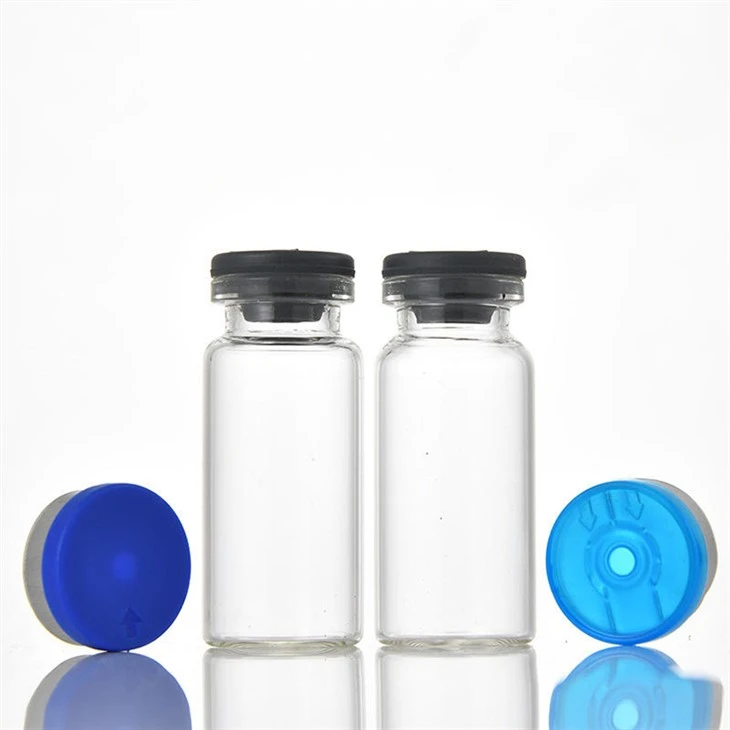
When filling or emptying the bottles, use appropriate tools. For our Medical Bottles with Rubber Stopper, make sure the rubber stoppers are inserted and removed smoothly. Rough handling of the stoppers can cause the glass to get scratched around the opening.
5. Coating the Bottles
We've also been exploring the option of applying a protective coating to the glass bottles. There are different types of coatings available, such as polymer coatings. These coatings create a thin layer on the surface of the glass, acting as a barrier against scratches.
The coating not only protects the bottles but can also give them a nice, smooth finish. It's like an extra layer of armor for the glass. However, we need to make sure the coating doesn't affect the properties of the glass or the contents of the bottles. So, we do a lot of testing before applying any coating to our products.
6. Inspecting Regularly
Regular inspections are a must. Before shipping the bottles, we carefully check each one for any signs of scratches. We use proper lighting and magnifying tools to spot even the smallest scratches. If we find any scratched bottles, we either try to repair them (if possible) or remove them from the batch.
For the end - users, it's also a good idea to inspect the bottles before use. This way, you can catch any scratches early and decide if the bottle is still suitable for your needs. If you notice a scratch that might affect the integrity of the bottle, it's better to replace it.
7. Training and Education
As a supplier, we think it's important to educate our customers about how to protect these glass bottles. We provide brochures and online resources that explain the best practices for handling, storing, and using the bottles. We also offer training sessions to our major customers, especially those in industries where the proper use of glass bottles is critical.
By spreading the knowledge, we hope to reduce the number of scratched bottles and ensure that our customers get the most out of our products.
In conclusion, protecting 2ml glass bottles from scratches is a multi - step process that involves careful handling at every stage, from manufacturing to use. By following these tips, you can keep your glass bottles in pristine condition for a long time.
If you're interested in purchasing our high - quality 2ml glass bottles, don't hesitate to reach out. We're always happy to have a chat and discuss your specific needs. Whether you need Medical Vial with Lid, Mini Bottles Glass, or Medical Bottles with Rubber Stopper, we've got you covered.
References
- "Glass Packaging: A Comprehensive Guide", Glass Packaging Institute
- "Best Practices for Handling and Storing Glass Containers", Laboratory Supply Journal
- "Advances in Glass Coating Technology", Journal of Glass Science and Technology