

How to prevent leakage from a 1ml glass bottle?
As a supplier of 1ml glass bottles, I understand the importance of preventing leakage, especially when these bottles are used to store valuable or sensitive substances. Leakage not only leads to product loss but can also pose risks to the environment and user safety. In this blog, I will share some effective strategies to prevent leakage from 1ml glass bottles based on my experience in the industry.
1. Select High - Quality Glass
The quality of the glass is the foundation for preventing leakage. High - quality glass has better uniformity in thickness and fewer internal defects. When the glass has consistent thickness, it can withstand pressure more evenly, reducing the risk of cracks that could lead to leakage.
We source our 1ml glass bottles from reliable manufacturers that use advanced glass - making techniques. The glass is carefully inspected for any visible flaws such as air bubbles or thin spots before it is used to make the bottles. This initial quality control step significantly reduces the likelihood of structural weaknesses that could cause leakage.
2. Proper Bottle Design
The design of the 1ml glass bottle also plays a crucial role in preventing leakage. A well - designed bottle should have a smooth and even opening that can form a tight seal with the cap. The neck of the bottle should be straight and of the correct diameter to ensure a proper fit with the chosen closure.
For example, if the neck is too wide, the cap may not be able to seal tightly, and if it is too narrow, it can be difficult to insert the cap properly. We offer a variety of bottle designs, and each one is engineered to provide an optimal sealing surface. Additionally, the shape of the bottle body can impact its stability. A bottle with a stable base is less likely to tip over, which could potentially cause leakage.
3. Choose the Right Closure
Selecting the appropriate closure is one of the most important steps in preventing leakage from a 1ml glass bottle. There are several types of closures available, including screw caps, snap - on caps, and stoppers.
- Screw Caps: Screw caps are a popular choice as they provide a tight and reliable seal. They work by threading onto the neck of the bottle, creating a mechanical seal. To ensure a proper seal, the threads on the bottle neck and the cap must match precisely. We offer screw caps made of different materials such as plastic or aluminum, each with its own advantages. Plastic screw caps are lightweight and cost - effective, while aluminum caps provide a more premium look and can offer better protection against moisture.
- Snap - on Caps: Snap - on caps are easy to use and can provide a good seal if designed correctly. They work by fitting snugly over the neck of the bottle, using a combination of friction and a locking mechanism. However, they may be more prone to accidental opening compared to screw caps.
- Stoppers: Stoppers, such as rubber or cork stoppers, can also be used to seal 1ml glass bottles. They are often used for applications where a more traditional or air - tight seal is required. Rubber stoppers are particularly good at creating a tight seal, as they can conform to the shape of the bottle neck.
4. Seal Testing
Before shipping our 1ml glass bottles, we conduct thorough seal testing to ensure that they are leak - proof. There are several methods for seal testing, including:
- Visual Inspection: This is the most basic form of testing. We visually check the bottles to ensure that the cap is properly seated and that there are no visible signs of damage or misalignment.
- Pressure Testing: Pressure testing involves subjecting the sealed bottle to a certain amount of pressure to see if any leakage occurs. This can be done using specialized equipment that applies pressure to the inside of the bottle and monitors for any loss of pressure, which would indicate a leak.
- Dye Penetration Testing: In dye penetration testing, a colored dye is placed inside the bottle, and the sealed bottle is then immersed in a liquid. If there is a leak, the dye will seep out and be visible in the surrounding liquid.
5. Storage and Handling
Proper storage and handling of 1ml glass bottles are also essential to prevent leakage. During storage, the bottles should be kept in a cool, dry place away from direct sunlight and extreme temperatures. High temperatures can cause the contents of the bottle to expand, increasing the pressure inside the bottle and potentially leading to leakage.
When handling the bottles, care should be taken to avoid dropping or knocking them. A sudden impact can cause the glass to crack or the cap to loosen, resulting in leakage. We provide our customers with guidelines on proper storage and handling to ensure the integrity of the bottles and their contents.
6. Compatibility of Contents
The compatibility of the contents with the glass bottle and the closure is another factor to consider. Some substances may react with the glass or the closure material over time, causing damage or weakening the seal.
For example, acidic or alkaline substances may corrode the glass or the metal parts of the cap. Before using a 1ml glass bottle to store a particular substance, it is important to test its compatibility. We can provide information on the chemical resistance of our bottles and closures to help our customers make the right choice.
7. Additional Sealing Options
In some cases, additional sealing measures may be required to prevent leakage. One option is to use a liner inside the cap. Liners can be made of materials such as foam, rubber, or foil, and they can provide an extra layer of protection against leakage.
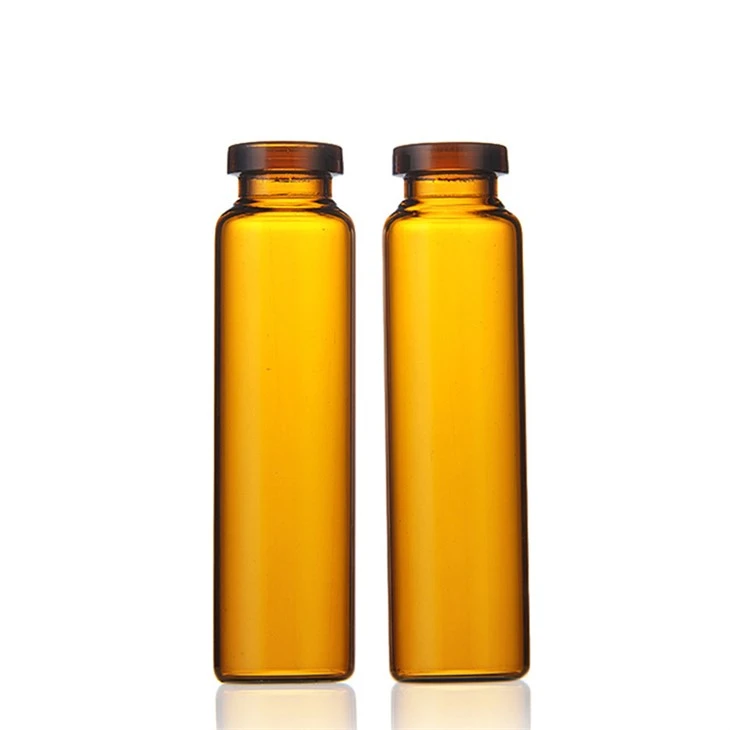

Another option is to use a heat - shrinkable sleeve. A heat - shrinkable sleeve is placed over the cap and the neck of the bottle and then heated, causing it to shrink and form a tight seal around the closure. This can be particularly effective for preventing tampering as well as leakage.
In conclusion, preventing leakage from a 1ml glass bottle requires a combination of high - quality materials, proper design, appropriate closures, and careful handling. As a supplier, we are committed to providing our customers with the best possible products and solutions to ensure that their valuable contents are safely stored. If you are interested in purchasing our 1ml glass bottles or have any questions about preventing leakage, please feel free to contact us for further discussion and procurement negotiation. You may also be interested in our 2ml Glass Bottle, Medicine Bottle, or Penicillin Bottle products.
References
- ASTM International. (20XX). Standard test methods for evaluating the seal integrity of packaging.
- Packaging Machinery Manufacturers Institute. (20XX). Best practices for sealing and leakage prevention in glass packaging.
- Glass Packaging Institute. (20XX). Technical guidelines for glass bottle design and closure selection.